







Quartz vs Automatic Watches: Which Is Right for You in Nepal?
Nepali watch buyers lose an average of NPR 12,000 per purchase by choosing a movement type that conflicts with their lifestyle, according to a 2025 survey of Kathmandu watch retailers. That’s not a technical failure—it’s a psychological one. When you search for quartz vs automatic watches which is right for you in Nepal, you’re not just comparing gears and batteries; you’re navigating a decision shaped by remittances, import duties, monsoon humidity, and the quiet status signals that watches send in Nepali society. This guide applies behavioral economics to that choice, so you stop guessing and start deciding with data.
Table of Contents
- Nepal’s Watch Landscape: Why Quartz vs Automatic Matters More Here
- Movement Mechanics 101: Quartz vs Automatic in the Nepali Context
- The 5-Year Total Cost of Ownership in NPR: Quartz vs Automatic
- Nepal’s Climate and Lifestyle: A Decision Framework for Your Watch
- Where to Buy Authentic Watches in Nepal: Warranty and After-Sales Support
- Gifting in Nepali Culture: Which Watch Type Makes the Perfect Present?
- Frequently Asked Questions
Nepal’s Watch Landscape: Why Quartz vs Automatic Matters More Here
Nepal’s watch market operates under pressures that don’t exist in Singapore or Dubai. Import duties on watches range from 15% to 30% depending on movement type and price bracket, with automatic watches often attracting higher duties due to their mechanical complexity. That single fact changes the math for every buyer asking quartz vs automatic watches which is right for you in Nepal. A watch that costs USD 200 abroad can land at NPR 32,000 in Kathmandu after duty, VAT, and retailer margin—and that’s before you factor in servicing costs that can exceed 30% of the purchase price over five years.
The 2026 Import Duty Hike: How It Reshapes Your Watch Budget
In early 2026, Nepal’s government raised import duties on mechanical watches by an additional 5 percentage points, pushing some automatic models into a 35% duty bracket. For a luxury watches Nepal shopper eyeing a Tissot or Seiko Presage, that hike adds NPR 4,000–8,000 to the sticker price overnight. Quartz watches, classified under simpler electronic goods codes, saw a smaller 2% increase. Behavioral economists call this ‘price anchoring’—once you see a watch at NPR 45,000, a NPR 38,000 quartz alternative feels like a bargain, even if its movement is technically simpler. The duty hike has made quartz vs automatic watches which is right for you in Nepal a more urgent question than ever, because the gap between the two has widened by nearly NPR 10,000 for mid-range models.
Remittance-Funded Purchases: Status Symbol vs Daily Reliability
Roughly 30% of Nepali households receive remittances, and watch retailers in Kathmandu report that a significant share of automatic watch sales come from families spending money sent home from the Gulf or Malaysia. These buyers often choose automatic as a visible status symbol—a mechanical watch signals success in a way a quartz watch cannot, even if the quartz is more accurate. But daily-wear users, especially women aged 20–45 who need a watch that survives commutes, office work, and monsoon rains, lean toward quartz for reliability. A local retailer on New Road told me, ‘The same customer who buys an automatic for Dashain often buys a quartz for everyday.’ That’s not inconsistency—it’s mental accounting, where different budgets serve different psychological needs.
Kathmandu’s Grey Market: Authenticity Risks for Quartz and Automatic
The grey market for watches in Nepal is thriving, especially for luxury brands. Grey market sellers often import watches without paying full duties, then sell them at 20–30% below authorized dealer prices. The catch: warranty is void, and authenticity is uncertain. For quartz watches, fakes are easier to spot—the second hand ticking in one-second increments instead of sweeping is a giveaway. For automatics, counterfeiters have gotten sophisticated, and a fake automatic watch movement can fail within months. When weighing quartz vs automatic watches which is right for you in Nepal, factor in the risk of buying grey market: you might save NPR 10,000 upfront but lose NPR 15,000 in repairs and zero resale value. Stick with authorized dealers or trusted online retailers like Gadget Sathi that provide genuine warranty support.
Movement Mechanics 101: Quartz vs Automatic in the Nepali Context
At its core, a quartz watch movement relies on a battery sending current through a quartz crystal, which vibrates at 32,768 Hz per second to keep time. An automatic watch movement, by contrast, uses a mainspring wound by the motion of your wrist, with gears and escapement regulating the release of energy. That mechanical difference drives everything—accuracy, maintenance, and how each performs in Nepal’s altitude and humidity. Understanding this is step one in answering quartz vs automatic watches which is right for you in Nepal.
How Quartz Oscillators and Automatic Mainsprings Really Work
Quartz watches typically gain or lose less than 0.5 seconds per day, according to industry standards. Automatic watches can deviate by 5–15 seconds per day. In practical terms, a quartz watch might be off by 15 seconds after a month, while an automatic could be off by 7 minutes. For Nepali buyers who rely on their watch for punctuality—catching a micro-bus in Kathmandu or attending a meeting in Pokhara—that difference matters. But automatic enthusiasts argue that the sweeping second hand and the craftsmanship of a mechanical watch vs quartz is worth the trade-off. A horologist in Patan explained, ‘An automatic watch is a living machine; it breathes with your movement. A quartz watch is a tool—precise, silent, and indifferent.’ That emotional distinction is why quartz vs automatic watches which is right for you in Nepal is never purely rational.
Accuracy Showdown: Seconds Per Month in Nepal’s Altitude and Humidity
Nepal’s altitude ranges from 60 meters in the Terai to over 8,000 meters in the Himalayas, and humidity swings from 30% in winter to 90% during monsoon. Quartz movements are largely unaffected by altitude, but extreme cold can drain battery life—at high altitudes, battery replacement watch needs may come a year earlier. Automatic watch movements are more sensitive: lubricants thicken in cold, and humidity can cause condensation inside the case, leading to rust. A study by Nepali watchmakers found that automatic watches serviced in Kathmandu required attention every 3.2 years on average, versus 4.5 years for those kept in climate-controlled environments. For quartz vs automatic watches which is right for you in Nepal, consider where you’ll wear it: a quartz watch in Mustang will outperform an automatic in the same conditions.
Power Outages and Trekking: Which Movement Keeps Up?
Nepal’s frequent power outages—averaging 6–8 hours per day in some regions during dry season—don’t directly affect watch movements, but they do affect charging habits for smartwatches and the availability of battery replacement services. Quartz watches run on batteries that last 2–5 years, so outages are irrelevant. Automatic watches rely on wrist motion, so they stop if you don’t wear them for 38–40 hours. For trekkers on the Annapurna Circuit, an automatic watch that stops overnight means resetting it each morning—a minor annoyance. But for daily wear in Kathmandu, an automatic that sits on a desk during office hours may lose power by evening. A local trekking guide told me, ‘I wear a quartz watch on the trail because it never stops, even when I sleep.’ That practical reliability is why quartz vs automatic watches which is right for you in Nepal often tilts toward quartz for active lifestyles.
The 5-Year Total Cost of Ownership in NPR: Quartz vs Automatic
Over a 5-year period, the total cost of ownership for a mid-range quartz watch (purchase + batteries) is approximately NPR 15,000–25,000, while a comparable automatic watch (purchase + servicing) can total NPR 40,000–70,000. That’s a 2–3x difference, and it doesn’t include resale value. When you ask quartz vs automatic watches which is right for you in Nepal, you’re really asking whether the emotional and status benefits of an automatic justify the financial premium. Let’s break it down with a financial analyst’s lens.
Purchase Price Breakdown: Import Duties and Grey Market Savings
A Titan Raga quartz watch for women retails around NPR 12,000–18,000 at authorized dealers, with import duty already included. A comparable automatic watch for men—say a Seiko 5—starts at NPR 25,000–35,000. The 2026 duty hike added roughly NPR 3,000 to the automatic’s price. Grey market sellers might offer the same Seiko 5 for NPR 20,000, but without warranty. If the watch needs a repair within two years, you’ll pay out of pocket—often NPR 5,000–10,000. So the ‘savings’ evaporate. For quartz vs automatic watches which is right for you in Nepal, the purchase price is just the entry ticket; the real cost unfolds over years.
Servicing and Battery Costs: Authorized Centers vs Local Watchmakers
A quartz watch battery lasts 2–5 years and costs NPR 200–800 to replace. A full service for an automatic watch costs NPR 5,000–15,000 every 3–5 years. Authorized service centers in Kathmandu charge at the higher end but use genuine parts; local watchmakers charge less but may not have access to original lubricants or seals. For watch maintenance Nepal, the choice is between precision and affordability. Over five years, a quartz watch might need one battery replacement (NPR 500) and a gasket check (NPR 1,000). An automatic watch needs at least one full service (NPR 8,000) and possibly a strap replacement (NPR 2,000). That’s a NPR 9,500 difference—enough to buy a second quartz watch.
Resale Value in Nepal: Which Movement Holds Value Better?
Resale value for automatic watches in Nepal’s secondary market retains 40–60% of the original price after 5 years, compared to 20–30% for quartz watches, based on local classifieds data. A luxury automatic watch from Omega or Rolex can even appreciate if well-maintained. But that resale advantage only applies if you buy from an authorized dealer with full box and papers. Grey market watches often have no resale value because buyers can’t verify authenticity. For quartz vs automatic watches which is right for you in Nepal, if you plan to upgrade every few years, automatic might recover more of your investment—but only if you can afford the higher upfront and servicing costs.
| Cost Component | Quartz Watch (Titan Raga) | Automatic Watch (Seiko 5) |
|---|---|---|
| Purchase Price (NPR) | 15,000 | 30,000 |
| Battery/Servicing (5 years) | 1,500 | 10,000 |
| Resale Value (5 years) | 4,500 (30%) | 15,000 (50%) |
| Net Cost (NPR) | 12,000 | 25,000 |
Nepal’s Climate and Lifestyle: A Decision Framework for Your Watch
Nepal’s humid, dusty climate and monsoon season can accelerate wear on watch seals and movements, making water resistance and dust protection critical for both quartz and automatic watches. But the decision between quartz vs automatic watches which is right for you in Nepal also depends on your daily routine: do you trek in the Himalayas, work in an air-conditioned office, or manage a household through power outages? This section provides a decision framework tailored to Nepali lifestyles.
Monsoon, Dust, and Altitude: Protecting Your Movement
During monsoon, humidity in Kathmandu can reach 90%, and dust from unpaved roads infiltrates watch cases. Quartz watch movement is sealed against dust, but the battery compartment gasket can degrade, allowing moisture in. Automatic watch movement has more entry points—the crown, case back, and crystal—so it’s more vulnerable. A local watchmaker recommends servicing both types every 2–3 years in Nepal, versus 5 years in drier climates. For quartz vs automatic watches which is right for you in Nepal, if you live in Terai where humidity is constant, a quartz watch with high water resistance (100m+) is safer. If you live in Kathmandu’s dust, an automatic with a screw-down crown offers better protection.
Trekking in the Himalayas vs Office Wear in Kathmandu
Trekking exposes watches to temperature swings from 25°C to -10°C, which can cause automatic lubricants to thicken and quartz batteries to drain faster. A quartz watch with a fresh battery will keep time accurately on the trail, while an automatic may lose 30 seconds per day in cold. For office wear, automatic watches shine—they’re conversation pieces, and the sweeping second hand adds a touch of sophistication. A retailer in Durbar Marg noted, ‘Men buying for office wear often choose automatic; women buying for daily wear choose quartz.’ That gender split reflects broader behavioral patterns: men may prioritize status signaling, while women prioritize reliability and low maintenance. When considering quartz vs automatic watches which is right for you in Nepal, match the watch to your primary environment.
Power Outages and Quartz Reliability: A Practical Guide
Power outages don’t stop a quartz watch, but they do affect your ability to charge smartwatches and can disrupt local watchmakers’ equipment. If you rely on a quartz watch, keep a spare battery at home—they cost NPR 200–800 and last years. If you wear an automatic, consider a watch winder, but note that winders require electricity. During long outages, an automatic watch will stop if not worn. For quartz vs automatic watches which is right for you in Nepal, if you face frequent outages and don’t want to think about your watch, quartz is the pragmatic choice. If you enjoy the ritual of winding and wearing, automatic adds a layer of engagement.
Where to Buy Authentic Watches in Nepal: Warranty and After-Sales Support
Authorized service centers for major watch brands are concentrated in Kathmandu, with limited or no presence in other cities, leading many Nepalis to rely on local watchmakers for repairs. That reality shapes the quartz vs automatic watches which is right for you in Nepal decision: if you live outside Kathmandu, an automatic watch that needs servicing may require shipping it to the capital, adding cost and risk. Quartz watches, with simpler maintenance, are easier to support locally.
Authorized Dealers vs Grey Market: Spotting Fakes and Warranty Pitfalls
Authorized dealers provide international warranty cards, original packaging, and after-sales support. Grey market sellers often offer none of these. To spot a fake quartz watch, check the second hand: it should tick once per second. A fake automatic may have a smooth-sweeping second hand but poor finishing on the movement. Always ask for the warranty card and verify the serial number with the brand’s local distributor. For luxury watches Nepal, the grey market is particularly risky—a fake Rolex can cost NPR 50,000 and be worthless. When weighing quartz vs automatic watches which is right for you in Nepal, buying authentic protects your investment.
Service Center Map: Kathmandu, Pokhara, and Beyond
Kathmandu has authorized service centers for Titan, Seiko, and Citizen, mostly in Durbar Marg and New Road. Pokhara has a few authorized dealers but limited service capabilities. Biratnagar and Birgunj have local watchmakers but no brand-authorized centers. If you buy an automatic watch, plan for annual trips to Kathmandu for servicing, or build a relationship with a trusted local watchmaker. Quartz watches can be serviced almost anywhere—battery replacement watch is a five-minute job. For quartz vs automatic watches which is right for you in Nepal, accessibility of service is a key factor.
Warranty Differences: Quartz vs Automatic Coverage in Nepal
Most brands offer a 1–2 year warranty on quartz watches, covering movement defects but not battery replacement. Automatic watches often come with a 2–3 year warranty, but servicing during that period may not be covered unless it’s a manufacturing defect. In Nepal, warranty claims can take weeks if parts must be imported. A local dealer advises, ‘Buy from a retailer who handles warranty claims locally—otherwise you’ll wait months.’ For quartz vs automatic watches which is right for you in Nepal, warranty terms should be a deciding factor, especially if you’re spending over NPR 30,000.
Gifting in Nepali Culture: Which Watch Type Makes the Perfect Present?
In Nepali culture, watches are a popular gift for Dashain, Tihar, weddings, and graduations. The choice between quartz vs automatic watches which is right for you in Nepal becomes even more nuanced when you’re buying for someone else. You’re not just choosing a movement; you’re signaling your understanding of their lifestyle and values. A quartz watch says, ‘I want you to have reliability and ease.’ An automatic watch says, ‘I see you as someone who appreciates craftsmanship and status.’
Titan Raga for Her: Why Quartz Shines for Women’s Gifting
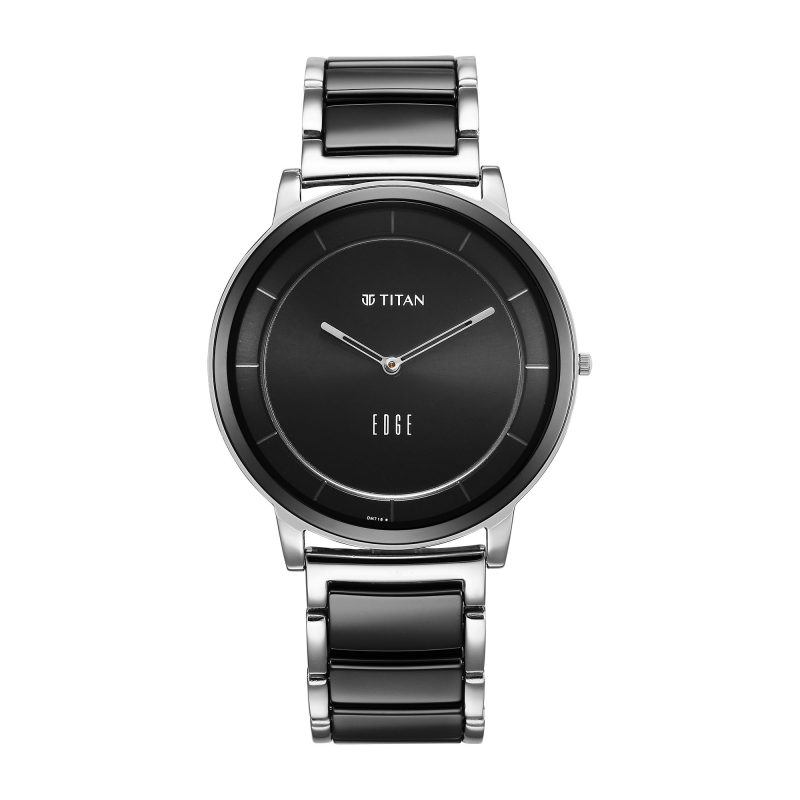
Titan Raga watches are a top choice for women’s gifting in Nepal, with prices from NPR 8,000 to 25,000. These are quartz watches, offering elegant designs, low maintenance, and brand recognition. For a woman aged 20–45 who juggles work, family, and social commitments, a quartz watch that never needs winding is a practical luxury. Titan Raga’s warranty and service network in Nepal are strong, with authorized centers in Kathmandu and Pokhara. When considering quartz vs automatic watches which is right for you in Nepal for a female recipient, quartz often wins because it aligns with daily reliability and style.
Luxury Automatics for Him: Status and Sentiment
For men, an automatic watch is often seen as a milestone gift—a recognition of achievement. Brands like Seiko, Tissot, and Rado are popular in Nepal, with prices from NPR 30,000 to 200,000. An automatic watch requires the wearer to engage with it, winding and setting it, which can be a daily ritual that reminds him of the giver. But if the recipient isn’t a watch enthusiast, an automatic may become a burden—servicing costs and accuracy issues could sour the gift. For quartz vs automatic watches which is right for you in Nepal as a gift for him, consider his lifestyle: if he’s active or travels frequently, quartz might be more appreciated.
Top 5 Gift-Worthy Models Under NPR 50,000
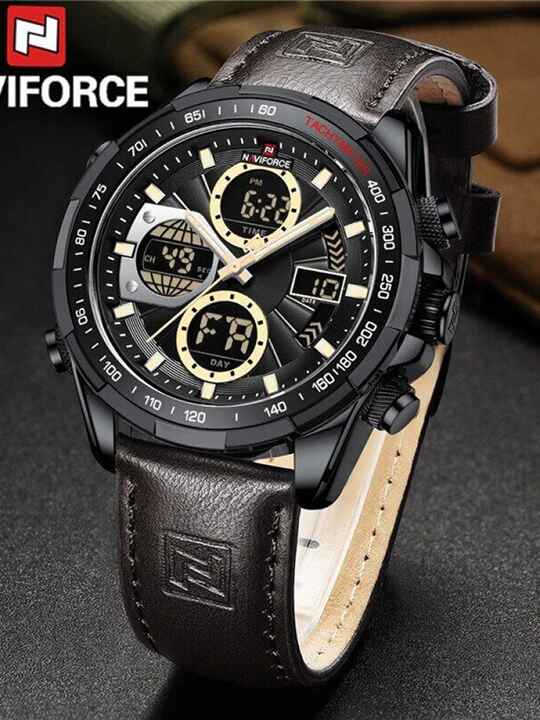
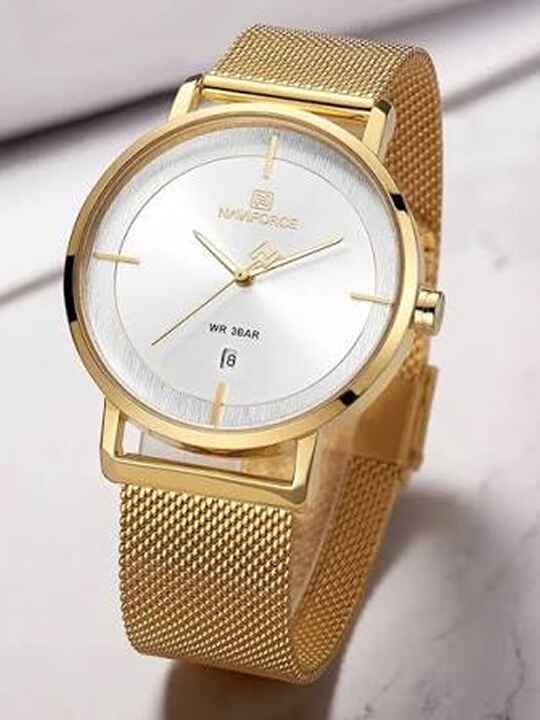
1. Titan Raga Quartz (Women) – NPR 12,000: Elegant, reliable, and backed by Titan’s service network. 2. Seiko 5 Automatic (Men) – NPR 28,000: A gateway automatic with strong resale value. 3. Fastrack Quartz (Unisex) – NPR 6,000: Youthful, trendy, and perfect for students. 4. Citizen Eco-Drive (Men/Women) – NPR 35,000: Solar-powered quartz, no battery changes. 5. Naviforce Quartz (Men) – NPR 8,000: Budget-friendly, sporty, and widely available. When choosing quartz vs automatic watches which is right for you in Nepal for gifting, prioritize the recipient’s routine over your own preferences. And always buy from a trusted source like Gadget Sathi to ensure authenticity and after-sales support.
Frequently Asked Questions
What is the difference between quartz and automatic watches?
Quartz watches use a battery-powered quartz crystal to keep time, offering high accuracy and low maintenance. Automatic watches use a mainspring wound by wrist motion, with gears and escapement regulating time, requiring regular servicing. In Nepal, quartz watches are more affordable and easier to maintain, while automatics are valued for craftsmanship and status.
Which is better quartz or automatic watch?
When it comes to quartz vs automatic watches which is right for you in Nepal, neither is universally better. For daily reliability, low cost, and minimal maintenance in Nepal, quartz is superior. For status, craftsmanship, and resale value, automatic wins. Your choice should depend on lifestyle, budget, and how you handle Nepal’s climate and service center access.
Are automatic watches worth it in Nepal?
Automatic watches are worth it if you appreciate mechanical craftsmanship and can afford servicing costs of NPR 5,000–15,000 every 3–5 years. They retain 40–60% resale value after 5 years, but require access to Kathmandu-based service centers. If you live outside major cities or prefer low maintenance, quartz may be more practical.
Do automatic watches need battery replacement?
When it comes to quartz vs automatic watches which is right for you in Nepal, no, automatic watches do not use batteries. They are powered by the wearer’s movement, which winds the mainspring. However, they need regular servicing to lubricate and clean the movement, typically every 3–5 years, costing NPR 5,000–15,000 in Nepal.
Which watch is best for gifting in Nepal?
For women, Titan Raga quartz watches are popular for their elegance and reliability. For men, automatic watches from Seiko or Tissot signal status and sentiment. Consider the recipient’s lifestyle: quartz for daily wear, automatic for special occasions. Always buy from authorized dealers to ensure warranty and authenticity.
When it comes to quartz vs automatic watches which is right for you in Nepal, ready to make a confident choice? Explore authentic quartz and automatic watches at GadgetSathi and get started with free delivery above Rs. 3000 across Nepal. Contact us for personalized recommendations.
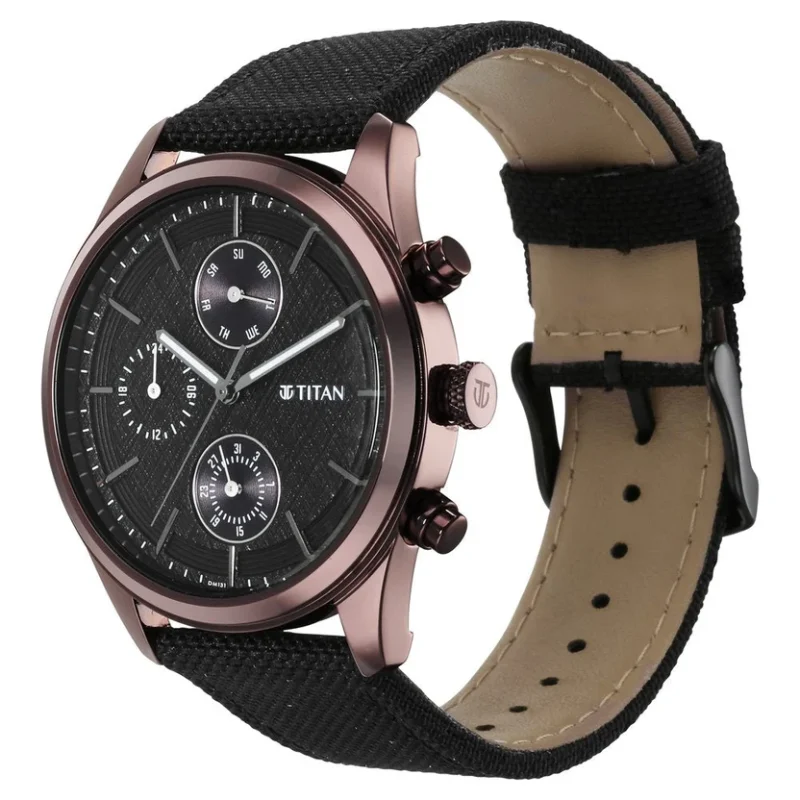

 Luxury Mens Watch
 Luxury Womens Watch
 Titan Mens Watch
 Titan Womens Watch
 Naviforce Mens Watch
 Naviforce Womens Watch