








Automatic Watches Buying Guide for First-Time Buyers in Nepal

There’s a reason automatic watches have quietly become one of the fastest-growing categories among watch buyers in Nepal. Unlike a battery-run quartz watch, an automatic watch runs entirely on the motion of your wrist – no battery, no charging, just mechanical engineering doing its job every time you move.
If you’re considering your first automatic watch, this guide explains exactly how the movement works, what to check before you buy, and how to keep it running smoothly for years.
What Is an Automatic Watch?
An automatic (or ‘self-winding’) watch is a mechanical watch that winds its own mainspring using the natural motion of your wrist. Inside the case sits a semi-circular metal rotor that swings freely with every movement you make. That motion winds the mainspring, which stores energy and releases it steadily to power the watch’s gear train and hands.
This is different from a manual-wind mechanical watch, which needs the crown turned by hand daily, and very different from a quartz watch, which relies on a battery and an electronic oscillator instead of a wound spring.
Automatic vs Quartz vs Manual-Wind: Key Differences
| Feature | Automatic | Quartz | Manual-Wind |
|---|---|---|---|
| Power source | Wrist motion | Battery | Hand-winding via crown |
| Accuracy | Good, small daily variance | Very high | Good, small daily variance |
| Maintenance | Occasional servicing | Battery replacement | Daily winding + servicing |
| Feel | Sweeping second hand | Ticking second hand | Sweeping second hand |
| Typical price | Moderate to high | Budget to moderate | Moderate to high |
How the Automatic Movement Actually Works
The Rotor
A weighted, semi-circular piece that spins with wrist movement, converting kinetic energy into wound tension in the mainspring.
The Mainspring
A coiled spring that stores energy from the rotor and slowly releases it to keep the watch running even when it’s not on your wrist.
Power Reserve
The number of hours a fully wound watch keeps running without further movement – commonly 38-70 hours depending on the movement.
Pros and Cons of Owning an Automatic Watch
- Pro: No battery replacements, ever
- Pro: Smooth sweeping second hand and visible mechanical craftsmanship
- Pro: Can last decades with proper servicing
- Con: Stops running if left unworn beyond its power reserve
- Con: Slightly less precise than quartz (typically a few seconds per day)
- Con: Periodic professional servicing is recommended
What to Check Before Buying Your First Automatic Watch
Power Reserve
Look for at least 40+ hours so the watch survives a weekend off your wrist without stopping.
Water Resistance
30M is fine for daily splashes; 100M or more is better if you swim or are frequently caught in Nepal’s monsoon downpours.
Movement Brand
Reliable, widely-serviced movements such as Seiko’s NH-series are a safe, well-supported choice for first-time automatic buyers in Nepal.
Case Material & Strap
Stainless steel cases resist corrosion best in humid conditions; leather straps offer a dressier look, while steel bracelets suit daily, rougher wear.
How to Care for Your Automatic Watch
Wear it regularly – the movement stays wound naturally with daily use. If you own more than one watch and rotate between them, a watch winder or a dedicated watch organizer keeps unworn pieces protected from dust and scratches while you’re not wearing them. Avoid magnets and strong shocks, and have the movement serviced roughly every 3-5 years to keep it running accurately.
Best Automatic Watch Options Available in Nepal
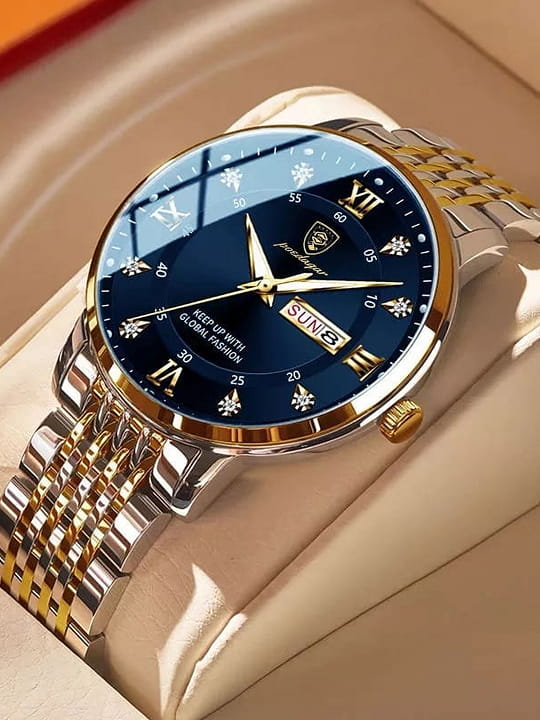
Gadget Sathi’s Automatic Watch collection includes options such as the Seiko Men’s Automatic Stainless Steel Watch and the Rolex Golden Automatic Watch – covering both understated daily-wear pieces and bolder statement watches, all suited to Nepal’s climate and everyday conditions.
Automatic Watch Buying Checklist
- Confirm power reserve of at least 38-40 hours
- Check water resistance rating suited to your lifestyle
- Choose a well-known, serviceable movement
- Pick stainless steel for humid, everyday conditions
- Plan for periodic servicing every few years
- Store unworn watches in a proper watch organizer
Conclusion
An automatic watch is as much a piece of engineering as it is a timepiece – every tick is powered by nothing but your own movement. Focus on power reserve, water resistance, and a trusted movement brand, and it will reward you with years of reliable, battery-free wear. Explore Gadget Sathi’s Automatic Watch collection to find the right piece to start your mechanical watch journey.
Frequently Asked Questions
Q: Do automatic watches need a battery?
No. Automatic watches are powered entirely by the motion of your wrist through a self-winding rotor, so they never need a battery.
Q: Why does my automatic watch stop when I don’t wear it?
Every automatic watch has a limited power reserve, typically 38-70 hours. If it sits unworn longer than that, the mainspring runs down and the watch stops until it’s worn or manually wound again.
Q: Are automatic watches as accurate as quartz watches?
Not quite. Automatic watches typically gain or lose a few seconds per day, while quartz watches are accurate to within seconds per month. Many buyers accept this trade-off for the mechanical craftsmanship.
Q: How often should an automatic watch be serviced?
Most manufacturers recommend servicing every 3-5 years to keep the movement lubricated and running accurately.
Q: Is an automatic watch a good first mechanical watch to buy in Nepal?
Yes, especially models using widely-supported movements like Seiko’s NH-series, which are reliable, easy to service locally, and reasonably priced for first-time buyers.
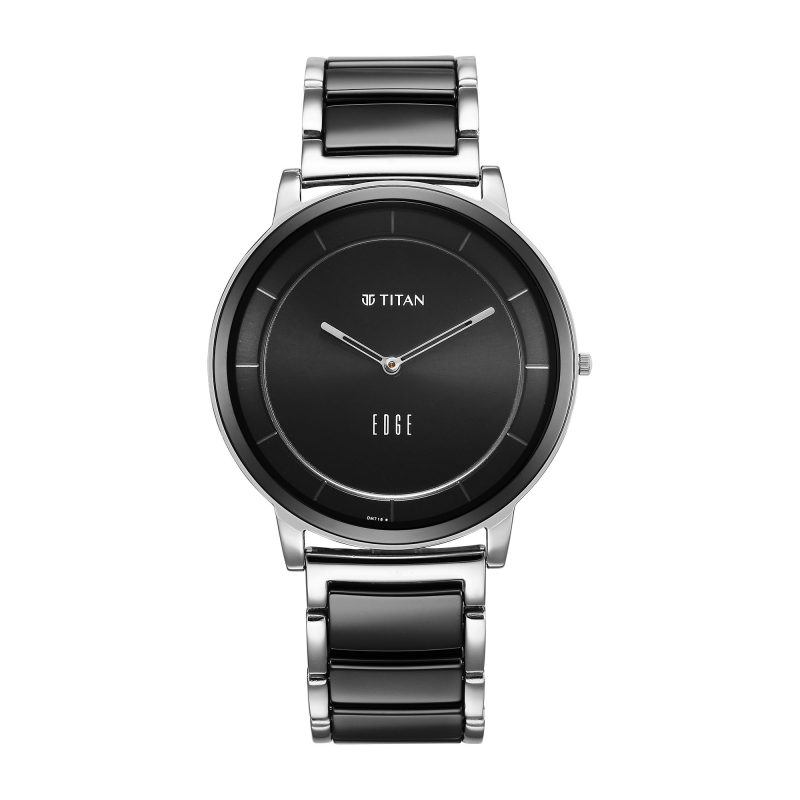
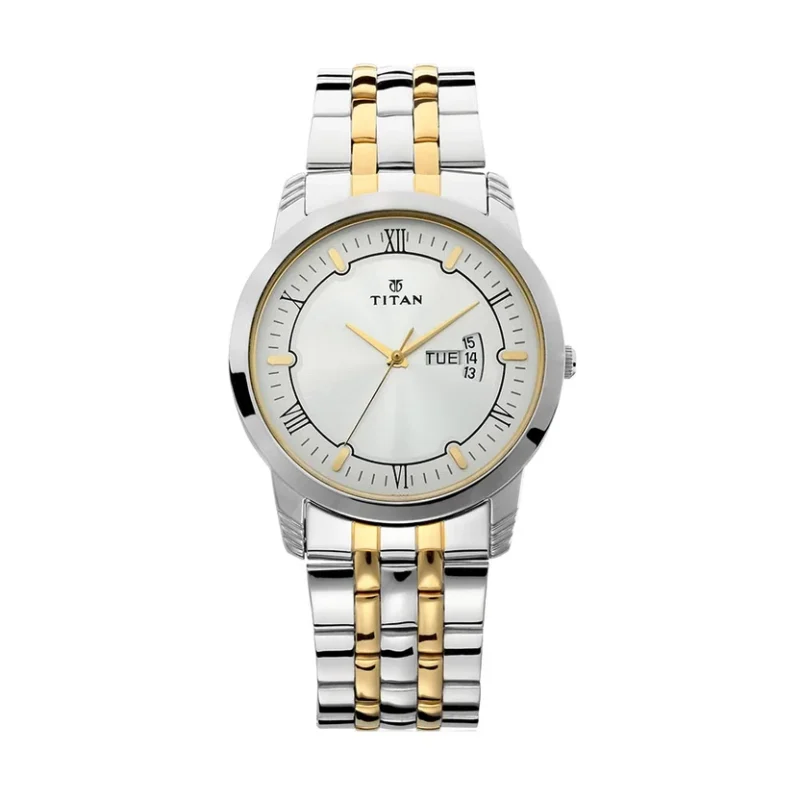



 Luxury Mens Watch
 Luxury Womens Watch
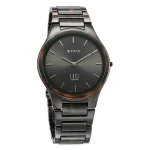 Titan Mens Watch
 Titan Womens Watch
 Naviforce Mens Watch
 Naviforce Womens Watch