







Sunglasses Face Shape Guide: Which Frame Style Actually Suits You?
Ever bought sunglasses that looked great on the shelf, or on someone else, and then felt slightly off every time you put them on? That’s rarely about the sunglasses themselves – it usually comes down to face shape. Certain frame shapes balance certain face shapes, and once you know your own, choosing sunglasses stops being a guessing game.
This guide walks through the main face shapes and which frame styles tend to work best with each, so you can shop with a clearer idea of what to look for.
How to Figure Out Your Face Shape
Before matching frames, it helps to identify your face shape. A quick way to do this: pull your hair back, look straight into a mirror, and pay attention to two things – the width of your forehead, cheekbones, and jaw, and the overall length of your face.
- Oval: Face is slightly longer than it is wide, with a gently rounded jaw and forehead of similar width
- Round: Face width and length are close to equal, with soft curves and a rounded jawline
- Square: Forehead, cheekbones, and jaw are roughly the same width, with a more angular jawline
- Heart-shaped: Wider forehead and cheekbones, narrowing to a smaller, sometimes pointed chin
Most people are a close match to one of these, even if not a perfect textbook example – and that’s completely fine. The goal is a general direction, not an exact science.
Oval Face: The Most Flexible Shape
If your face is oval, you’re in a fortunate position – most frame shapes work reasonably well, since the face is already fairly balanced. That said, oversized or overly angular frames can occasionally overwhelm a narrower oval face. Look for frames roughly as wide as the widest part of your face, and don’t be afraid to experiment more freely than other face shapes might allow.
Best general direction: Most shapes work; avoid frames noticeably wider than your face.
Round Face: Add Definition With Angles
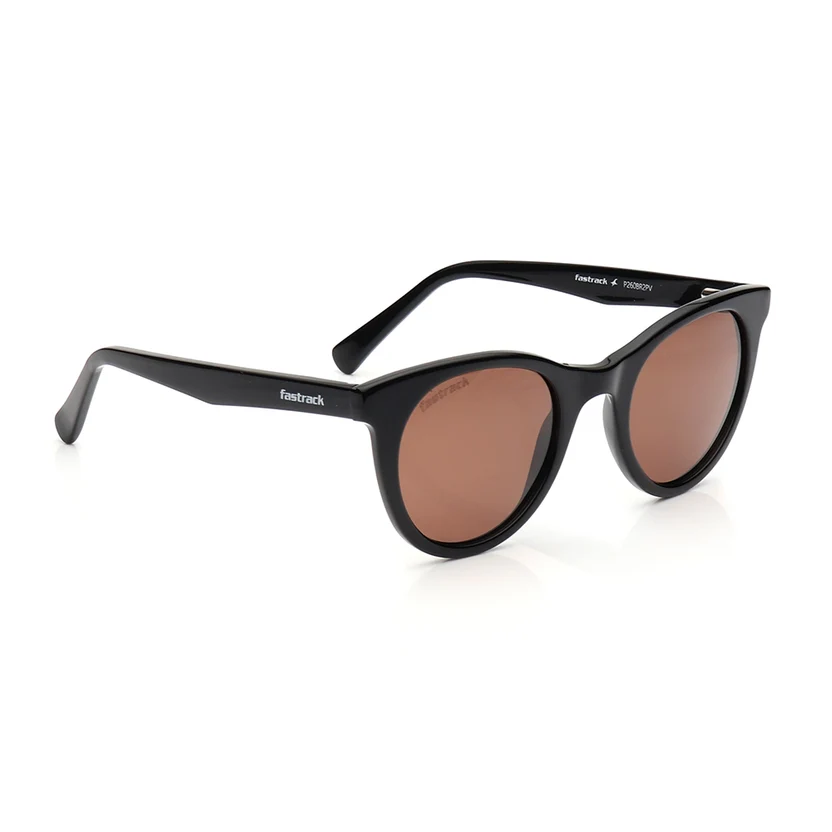
A round face benefits from frames that introduce some structure and length, since the goal is to visually contrast the face’s natural softness. Rectangular or square frames work well here, as do slightly angular cat-eye styles. Round or heavily curved frames, on the other hand, tend to echo the face’s roundness rather than balance it.
Best general direction: Angular, rectangular, or geometric frames.
Square Face: Soften the Angles
Square faces have strong, defined angles at the jaw and forehead, so the goal shifts in the opposite direction – softer, rounder frames help balance that structure rather than reinforce it. Round or slightly oval frame shapes work well, as do styles with subtly curved edges instead of sharp corners.
Best general direction: Round or softly curved frames; avoid heavily angular, boxy shapes.
Heart-Shaped Face: Balance a Narrower Chin
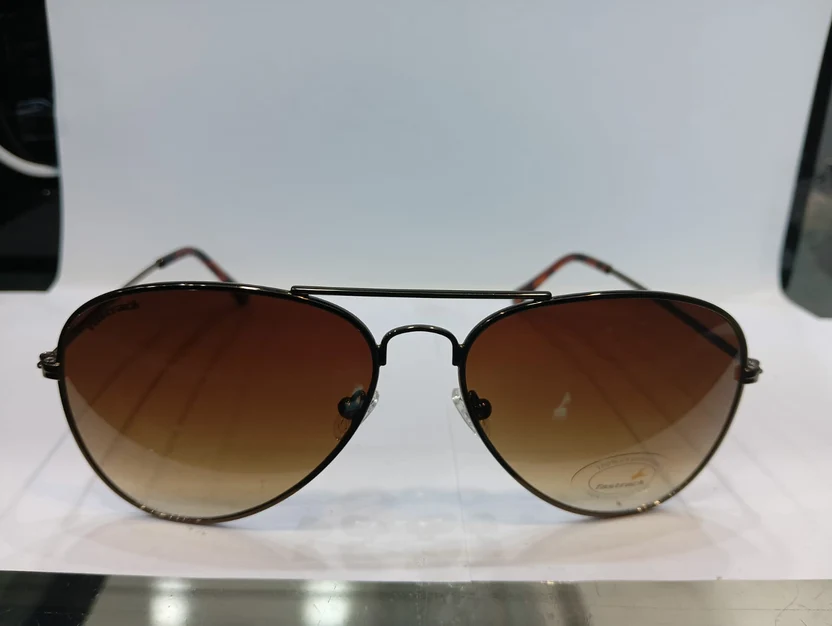
With a wider forehead and cheekbones narrowing toward the chin, heart-shaped faces generally look best in frames that are wider at the top and don’t add extra width lower down. Aviator styles and frames with a light, minimal bottom edge tend to work well, since they draw attention upward rather than emphasizing the narrower jaw.
Best general direction: Aviator or top-heavy frame styles; avoid frames that are noticeably wider at the bottom.
Beyond Face Shape: A Few Other Things That Matter
Face shape is the starting point, not the whole decision. A few other factors are worth considering alongside it:
Frame size relative to your face. Even the right shape can look wrong if it’s too large or too small – the frame width should roughly match the widest part of your face, without extending noticeably beyond it.
Skin undertone. Warmer undertones often pair well with gold, tortoiseshell, or brown-toned frames, while cooler undertones tend to suit silver, black, or grey tones more naturally.
What you actually use them for. Sunglasses for daily commuting or driving benefit from a snug, secure fit, while sunglasses mainly for photos or occasional wear have more room for a bolder, statement shape.
Lens protection still comes first. Style should never come at the cost of proper UV protection – no frame shape is worth compromising on that.
FAQ
What if I don’t fit neatly into one face shape category?
That’s completely normal – most people are a blend rather than a textbook example. Use the closest match as a general starting point rather than a strict rule.
Do the same face-shape rules apply to both men’s and women’s sunglasses?
Yes, the underlying logic is the same for everyone – the goal is balancing the frame shape against your face’s natural proportions, regardless of style category.
Are round sunglasses out of style?
No particular frame shape is universally “in” or “out” – the more relevant question is whether it suits your face shape and how you plan to wear it.
Can the wrong sunglasses shape actually look bad, or is this just a style preference?
It’s mostly about proportion and balance rather than a hard rule. The wrong shape for your face isn’t “wrong” in an absolute sense, but the right shape for your proportions tends to look more naturally put-together.
Should I prioritize face shape or UV protection when choosing sunglasses?
UV protection should never be compromised – treat face shape as a guide for style once you’ve confirmed the sunglasses offer proper protection.
Conclusion
Once you know your face shape, choosing sunglasses stops being trial and error – you’ll have a clear starting point instead of guessing from a shelf display. Oval faces have the most flexibility, round faces benefit from added angles, square faces from softer curves, and heart-shaped faces from top-heavy frames that balance a narrower chin.
If you’re ready to put this into practice, you can browse GadgetSathi’s men’s and women’s sunglasses collections and compare frame shapes against what suits your face.
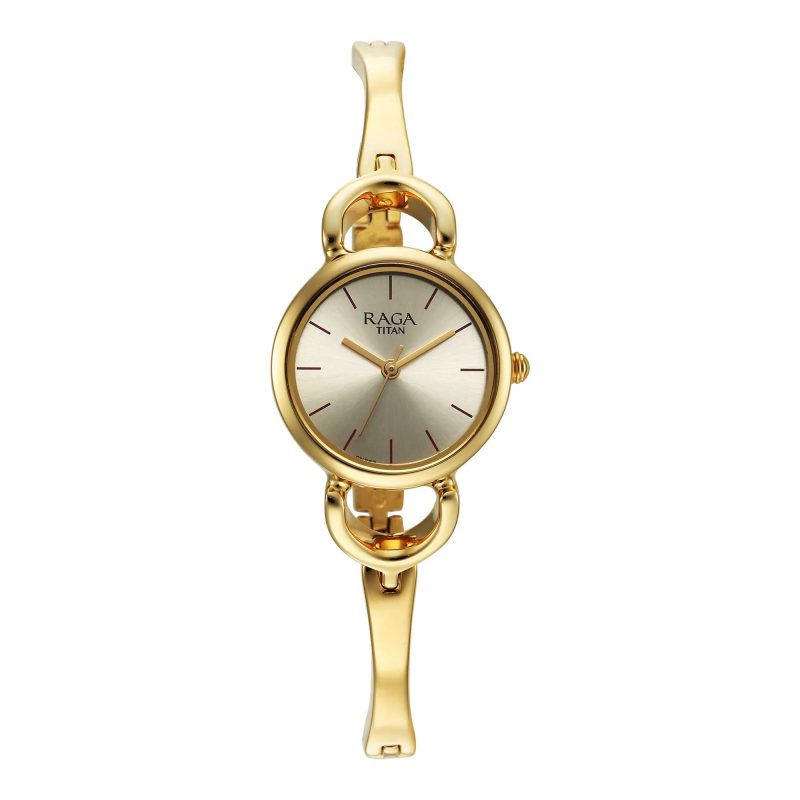
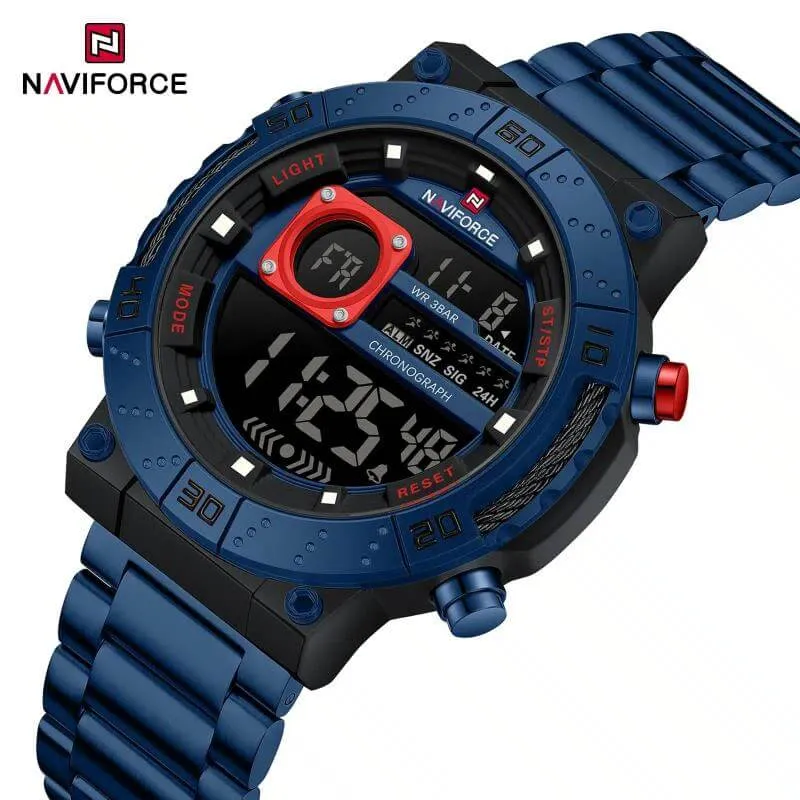

 Luxury Mens Watch
 Luxury Womens Watch
 Titan Mens Watch
 Titan Womens Watch
 Naviforce Mens Watch
 Naviforce Womens Watch