







6 Signs Your Watch Strap Needs Replacing (And What to Do About It)
Most people replace their watch battery the moment it dies, but the strap gets far less attention – right up until it snaps, usually at the worst possible moment. A worn strap isn’t just a cosmetic issue. It can scratch your wrist, stain your cuffs, and in some cases put real strain on the watch case itself.
Here are six signs it’s time to swap your strap, and what to actually do once you spot them.
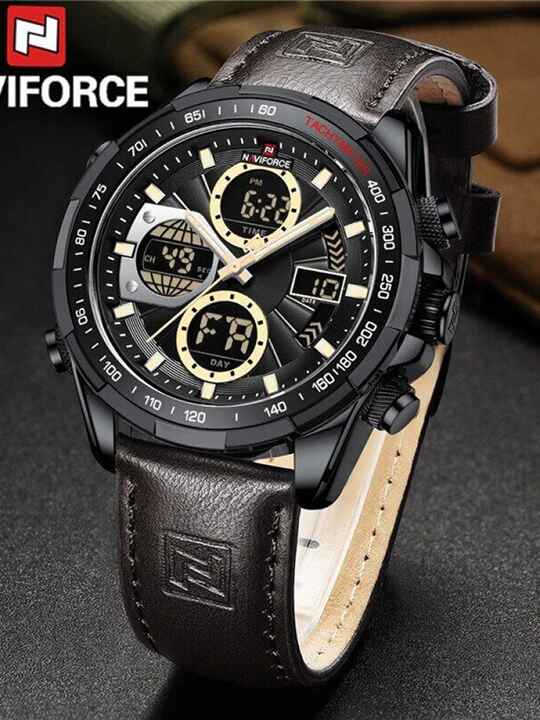
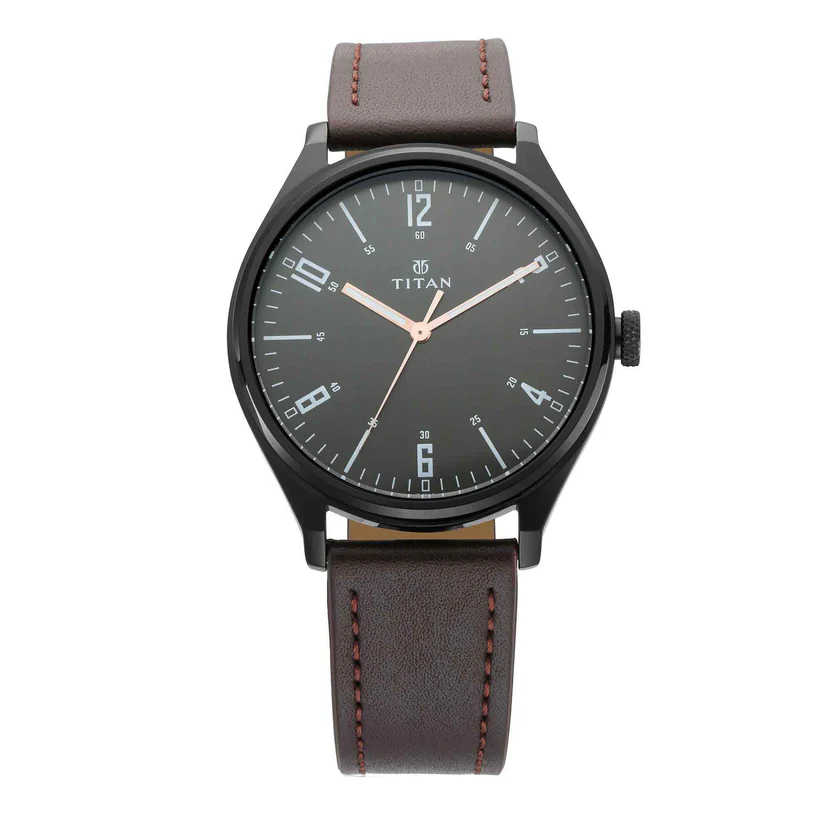
1. Visible Cracks in Leather Straps
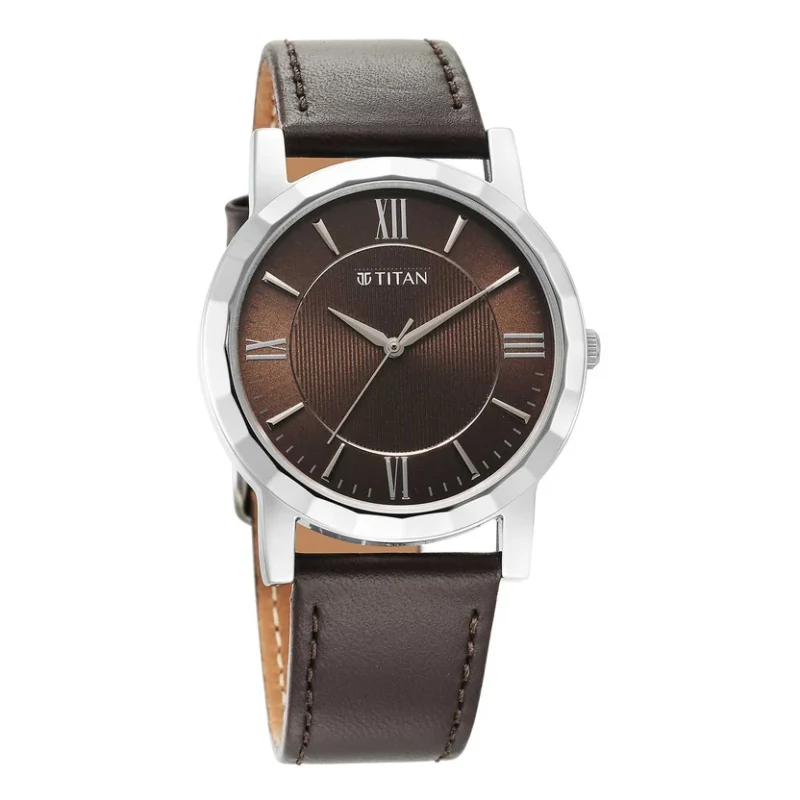
Leather straps crack when the material dries out, usually from a mix of sweat, sunlight, and simple age. Once you see fine lines running across the surface – especially near the buckle, where the strap bends the most – it’s already past the point where conditioning or polish will fix it. Cracks only get worse with wear, and eventually the strap will tear right through.
What to do: Replace it. A cracked strap won’t recover, and wearing it longer only increases the risk of it tearing while you’re out.
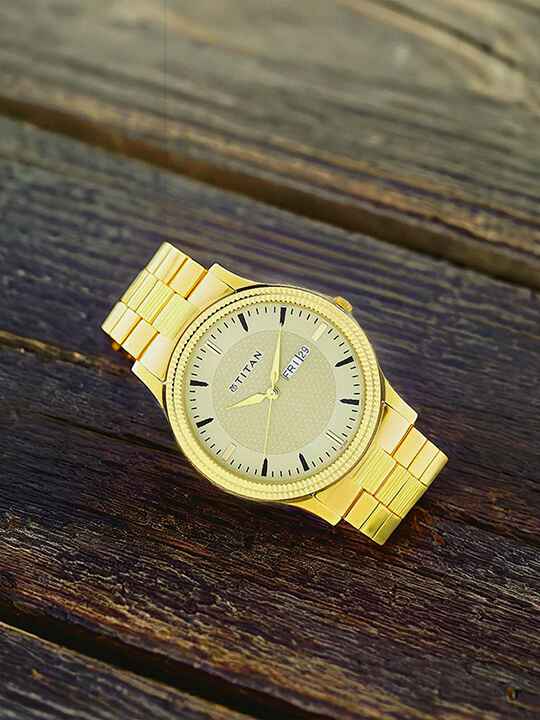
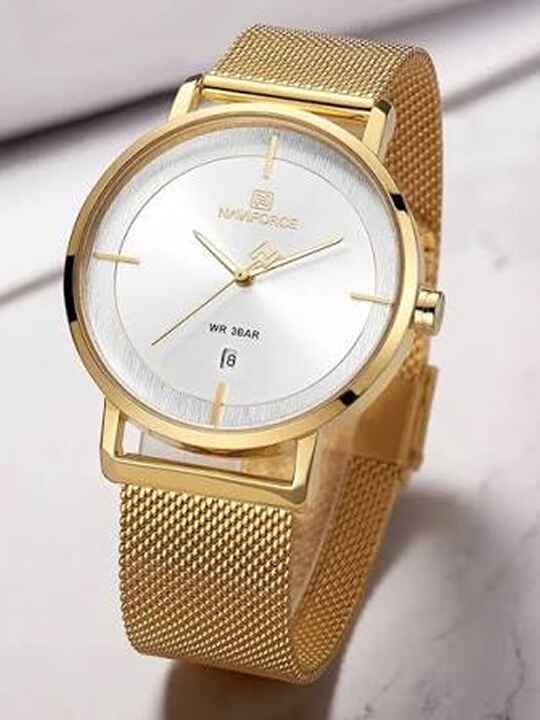
2. Loose or Wobbly Links in a Metal Bracelet
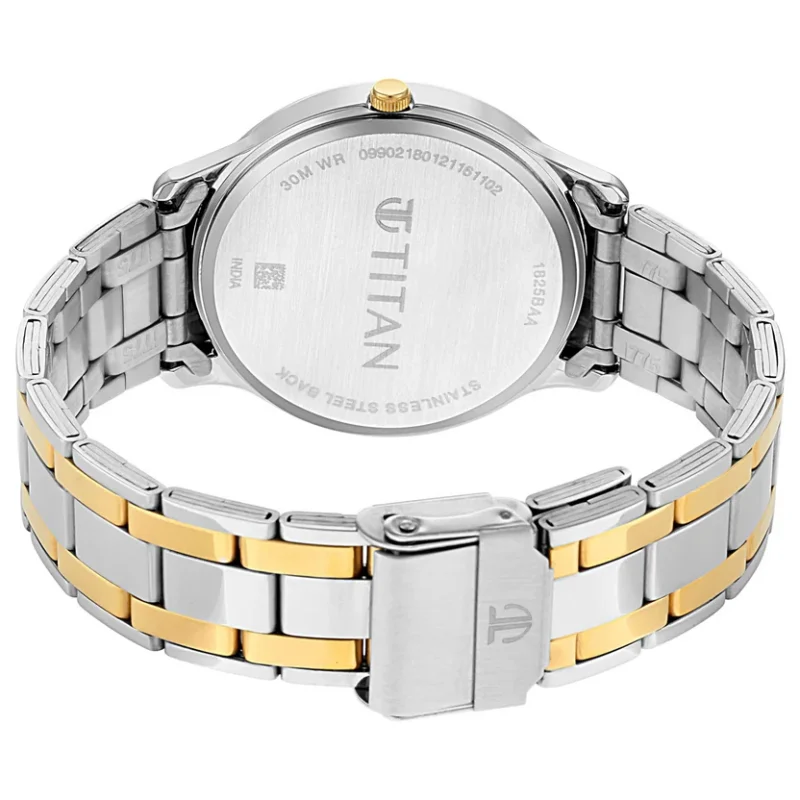
Metal bracelet straps use small pins to connect each link. Over months or years of daily wear, those pins can wear down, leaving links that feel slightly loose or wobbly when you move your wrist. Left unaddressed, a link can eventually come apart entirely – often without warning.
What to do: Have the bracelet re-pinned or resized by a jeweller or watch repair shop. This is usually a quick, inexpensive fix if caught early.
3. A Lingering Smell That Won’t Wash Out
This one’s more common than people admit. Sweat and moisture soak into leather and fabric straps over time, and eventually the material holds onto that smell even after cleaning. If your strap smells even right after a shower or after airing out overnight, the material itself has absorbed more than it can release.
What to do: Switch to a strap material that handles moisture better for daily wear – silicone or a water-resistant sport strap – especially if you exercise or sweat heavily while wearing your watch.
4. Skin Irritation Where the Strap Sits
If you notice redness, itching, or a rash forming specifically where your strap touches your skin, it’s worth paying attention to. This can happen with cheaper metal alloys (a nickel sensitivity is common) or with leather that’s been treated with certain dyes or chemicals.
What to do: Stop wearing that strap and let your skin recover. When you replace it, consider a different material – many people with sensitive skin do better with silicone or a higher-grade stainless steel.
5. Fading or Discolouration That Doesn’t Match the Watch Anymore
Straps fade with UV exposure and repeated washing, especially colourful fabric or dyed leather straps. Once the colour has visibly shifted – a black strap turning brownish, or a coloured strap looking washed out – it starts to look mismatched against the watch case, even if the strap is still structurally fine.
What to do: This one’s more about appearance than function, so it’s a judgment call. If the mismatch bothers you, a fresh strap is a low-cost way to make an older watch look new again.
6. It No Longer Sits Flush Against Your Wrist
A strap that’s stretched out – common with leather and fabric straps over years of use – will sit slightly loose or shift position throughout the day, even after you’ve tightened it as far as it goes. This usually means the material itself has stretched beyond its original shape.
What to do: Replace the strap rather than continuing to over-tighten it, which can put uneven pressure on the watch lugs (the small connectors where the strap attaches to the case).
How Long Should a Watch Strap Actually Last?
It depends heavily on the material and how often you wear the watch. As a rough guide:
- Leather straps: Roughly 1–2 years with daily wear, less in humid climates or with heavy sweating
- Metal bracelets: Several years, though pins and clasps may need occasional servicing
- Silicone and rubber straps: 2–3 years, though they hold up better against moisture and sun than leather
Nepal’s monsoon humidity in particular tends to shorten the lifespan of leather straps specifically – if you’re noticing your strap wearing out faster than expected, seasonal moisture exposure is a likely factor.
FAQ
Can I fix a cracked leather strap instead of replacing it?
Conditioning can slow further cracking on a strap that’s just starting to show wear, but once visible cracks have formed, the material has already broken down structurally and won’t fully recover.
Is it worth replacing a strap on an older or cheaper watch?
Usually yes, if the watch itself still works well. A new strap is one of the cheapest ways to make an older watch feel fresh again, without buying a whole new piece.
Why does my metal watch strap turn my wrist green or itchy?
This usually points to a lower-grade metal alloy reacting with skin and sweat. Switching to a higher-grade stainless steel or a different strap material generally resolves it.
How often should I check my watch strap for wear?
A quick visual check every couple of months is enough for most people – look at the area near the buckle or clasp first, since that’s where wear typically shows up earliest.
Does a damaged strap affect the watch itself?
It can. A weakened strap increases the risk of the watch falling and being damaged, and in the case of metal bracelets, worn pins can put uneven stress on the case lugs over time.
Conclusion
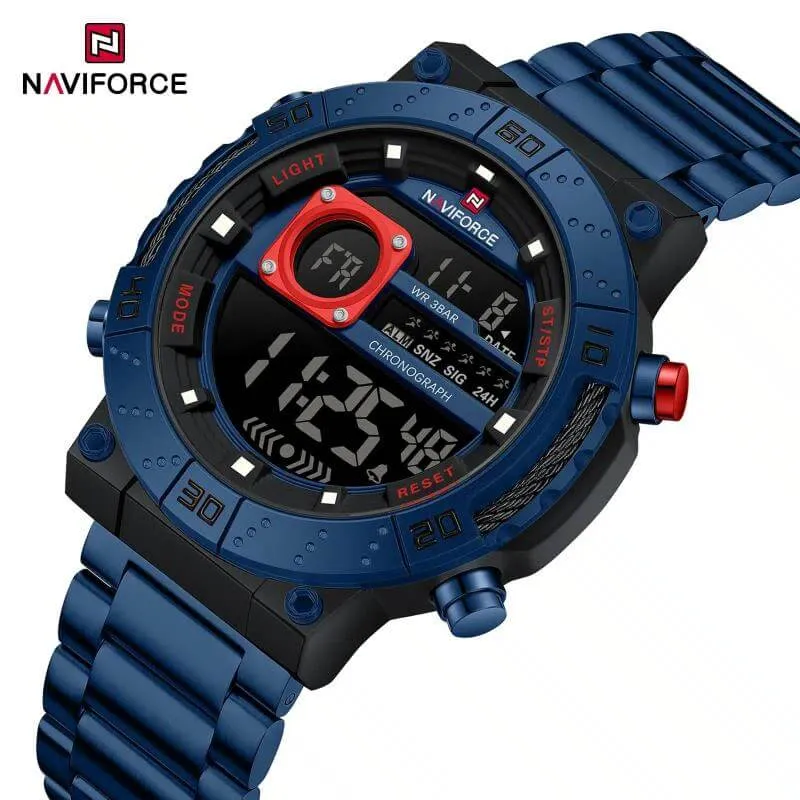
A worn watch strap rarely fails without warning – there are usually small signs beforehand, from cracking leather to loose bracelet links, if you know what to look for. Catching these early means a simple, inexpensive fix instead of a damaged watch or an uncomfortable surprise mid-day.Checkout our best Naviforce collection for attractive design and color choices.
If your current strap is showing any of these signs, it’s worth browsing GadgetSathi’s watch collection to see current strap and case options before your existing one gives out completely.
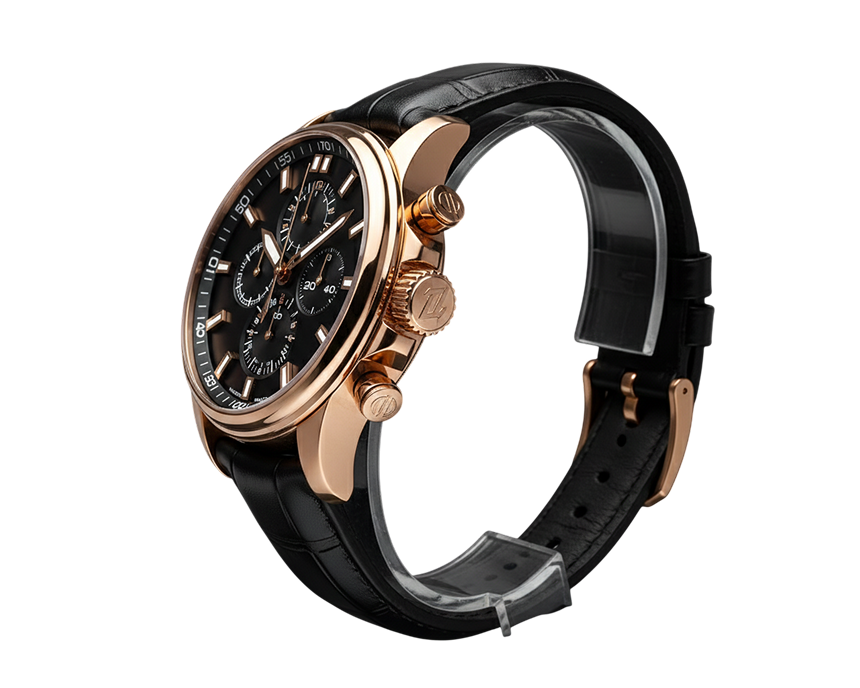
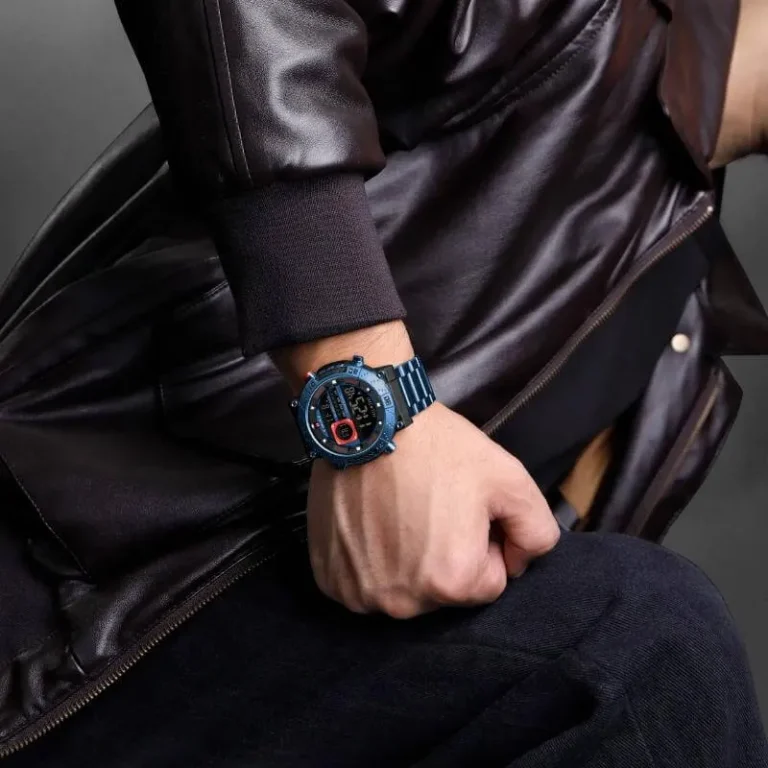
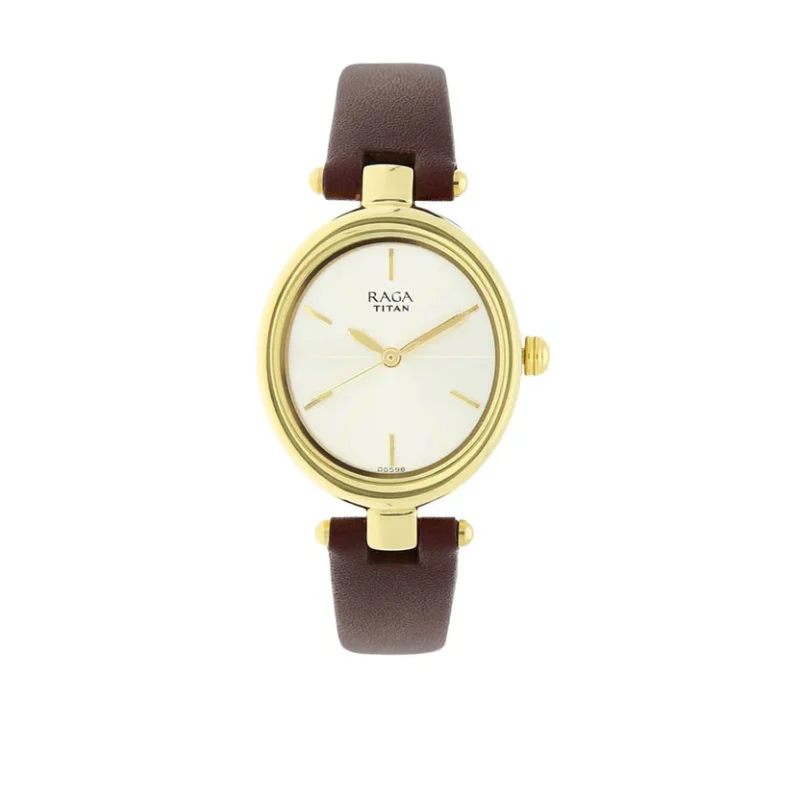
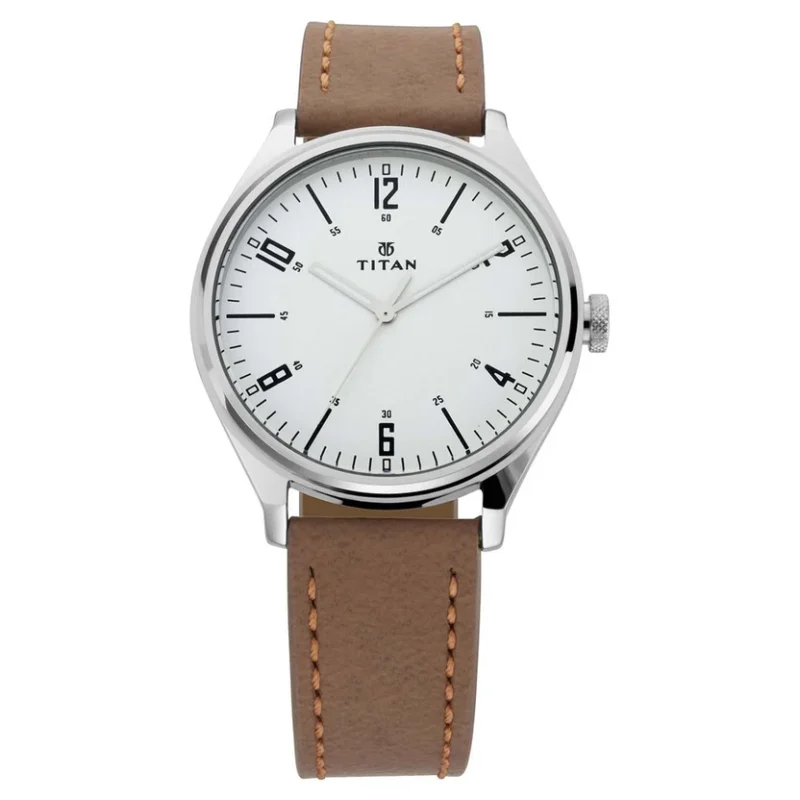

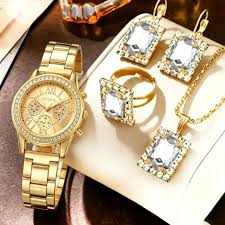
 Luxury Mens Watch
 Luxury Womens Watch
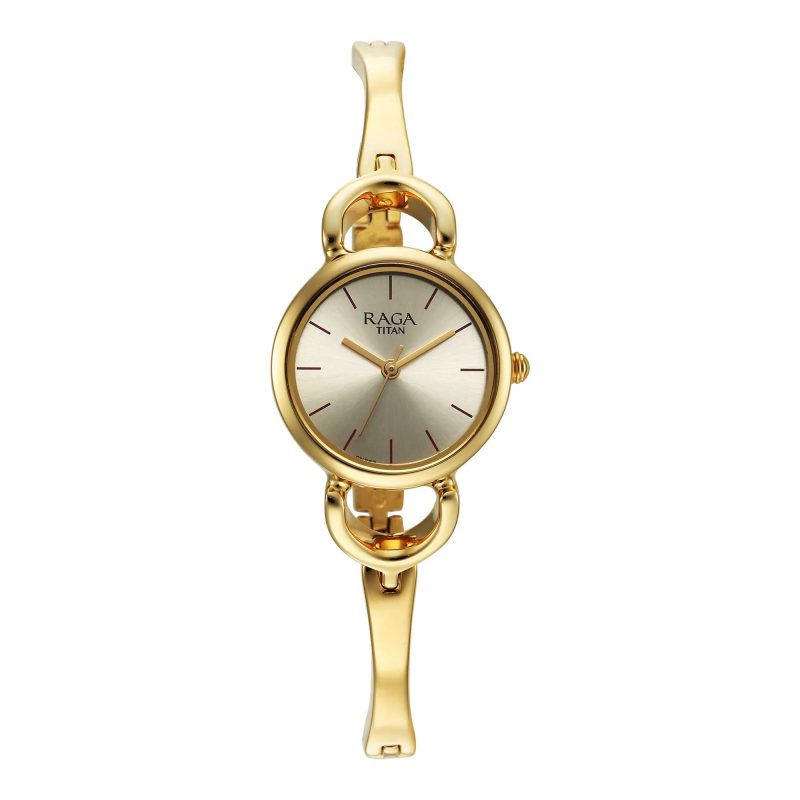
 Titan Mens Watch
 Titan Womens Watch
 Naviforce Mens Watch
 Naviforce Womens Watch