







Analog vs Digital vs Dual-Display Watches: Which One Actually Fits Your Wrist?
If you’ve searched analog vs digital watch and landed nowhere useful, you’re not alone. Most guides stop at two options and never mention the format that quietly bridges them – dual-display. Before you buy your next watch, it’s worth understanding all three, because the “right” display type has less to do with style and more to do with how and where you actually wear a watch.
What “Analog,” “Digital,” and “Dual-Display” Actually Mean
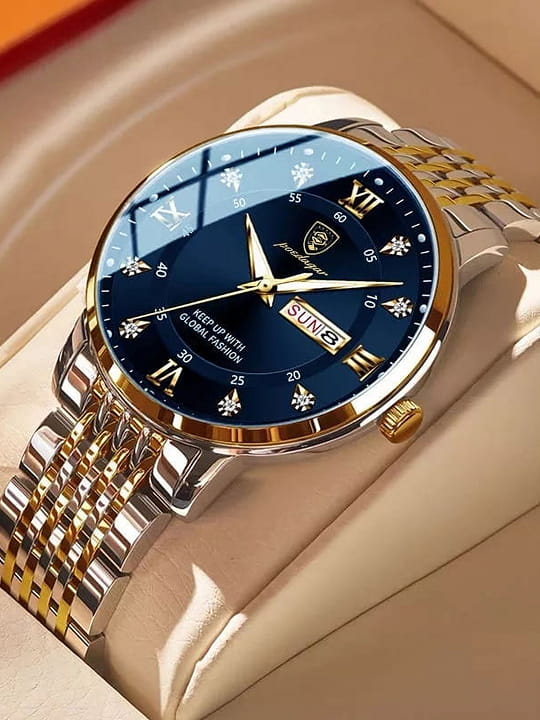
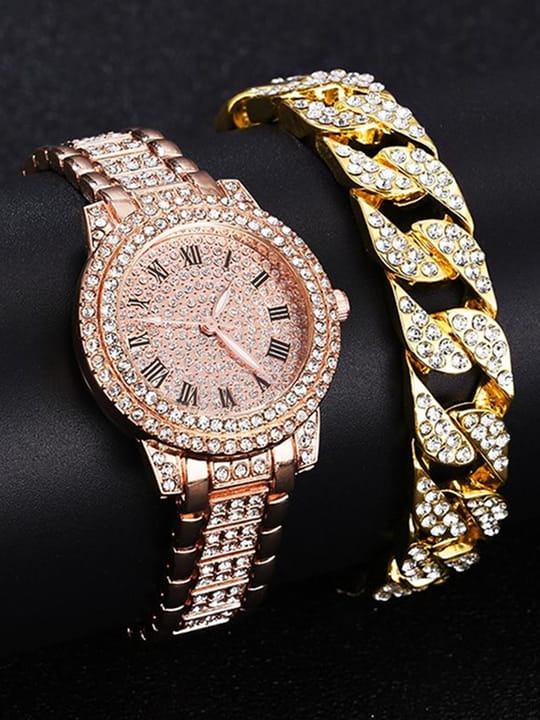
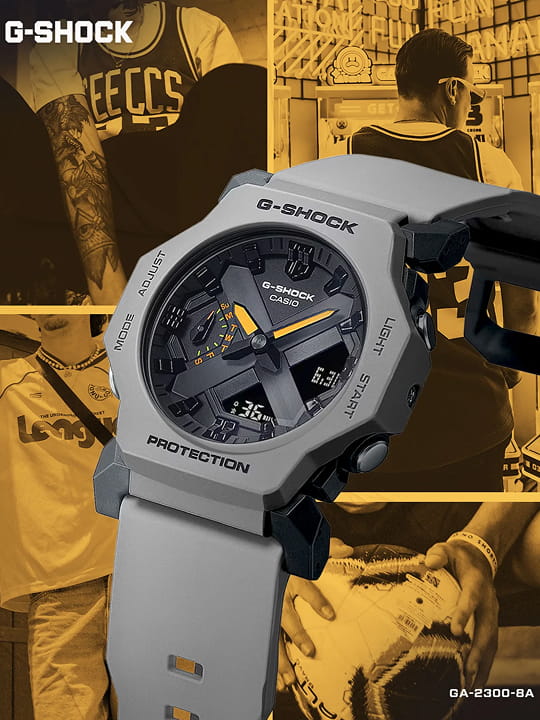
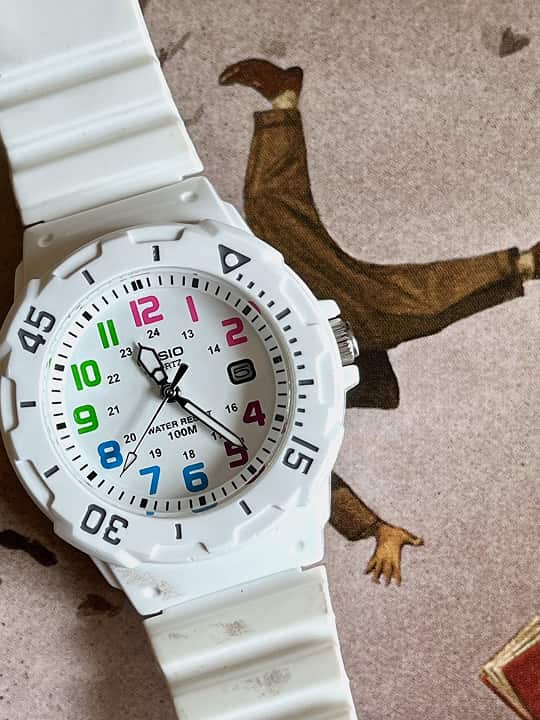
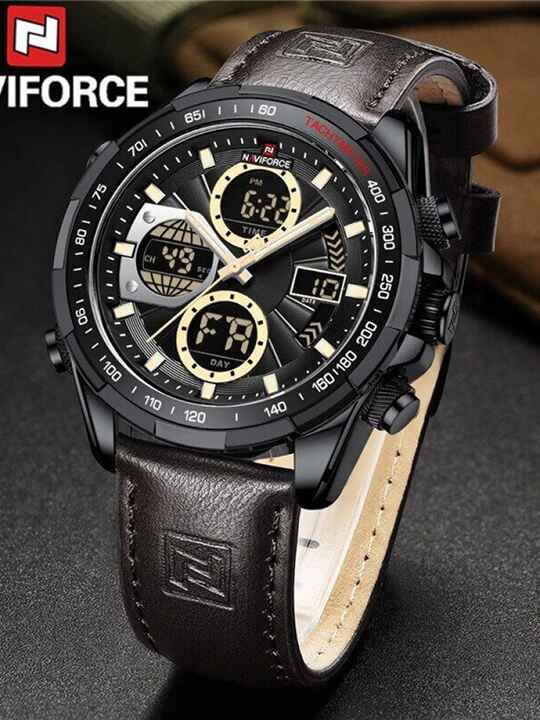
An analog watch uses a mechanical or quartz-driven gear train to move physical hands around a dial. A digital watch uses an LCD or LED screen driven directly by a quartz oscillator, showing time as numerals. A dual-display watch combines both on one face – analog hands for the main time, plus a small digital window for date, alarm, or a second time zone. It’s the format buyers overlook most, usually because retailers list watches as simply “analog” or “digital” and skip the hybrid middle ground entirely.
Accuracy and Timekeeping
Digital watches are generally the most accurate of the three, because the quartz crystal drives the display directly with no mechanical linkage to introduce drift. Analog quartz watches are still highly accurate for daily use, but the gear train that moves the hands can introduce a small amount of additional variance over time. Dual-display watches inherit the digital side’s precision for its readout while keeping analog hands for the “at a glance” read – a reasonable middle ground if you want both looks without picking a side.
Readability: Day, Night, and On the Move
This is where the three types genuinely diverge:
- Analog wins for a quick glance – your brain reads hand position faster than it parses numerals, and a well-lumed analog dial stays legible in low light without a button press.
- Digital wins for precision reading – no ambiguity between “20 past” and “25 past,” and most digital displays include a backlight for full darkness.
- Dual-display tries to give you both, though the digital sub-window is usually small and can be harder to read one-handed while moving (useful to know if you want it for jogging or commuting stats).
Battery, Backlight, and Power
Digital movements sip very little power and often run 2–3 years on a single battery, since driving a screen takes less energy than turning gears. Analog quartz movements last a similar 1–3 years per battery but do slightly more mechanical work. Dual-display watches run both systems off one cell, so expect battery life closer to the digital side, with the added perk of an integrated backlight for the whole face.
Durability for Nepal’s Climate and Terrain
Kathmandu’s dust, monsoon humidity, and the temperature swings of a Himalayan trek all stress a watch differently depending on its build, not strictly its display type. What matters more is the water-resistance rating (look for 3 ATM minimum for daily splashes, 5 ATM+ if you’re anywhere near real water), the case material (stainless steel resists corrosion better than painted alloy), and the crystal (hardened mineral glass resists scratches from trail dust and rock). If you’re specifically gearing up for the hills, our trekking watch guide goes deeper on what to check before you pack, and Watch Specifications Explained walks through reading any spec sheet correctly – genuinely useful before you compare display types at all.
Price: What Each Type Typically Costs
| Display Type | Typical Entry Price (NPR) | Typical Mid-Range (NPR) |
| Analog (quartz) | 2,500 – 5,000 | 8,000 – 20,000 |
| Digital | 2,500 – 4,500 | 5,000 – 12,000 |
| Dual-display | 3,500 – 6,000 | 8,000 – 18,000 |
Dual-display watches usually carry a small premium over single-format watches from the same brand, since they need two working systems in one case. At the fashion-watch tier that NaviForce and similar brands occupy in Nepal, the gap is modest – you’re paying more for the feature mix, not for luxury materials.
Case Study: NaviForce NF9241 – A Digital Watch Done Right
The NaviForce NF9241 is a clean example of what a well-specced digital watch looks like at an accessible price point.
| Spec | Detail |
| Movement | LCD Digital |
| Case Material | Zinc Alloy |
| Case Shape / Thickness | Round / 15 mm |
| Dial Diameter | 46 mm |
| Band | Stainless steel, 24 mm width |
| Water Resistance | 3 ATM |
| Features | Day, Date, Alarm |
| Warranty | 1 year |
| Price | ₨ 2,849 |
At 46 mm, it reads easily at a glance, and the day/date/alarm combo covers the reasons most people actually reach for a digital watch – quick reference, not fashion statement.
Case Study: NaviForce NF6101 – Analog Multifunction, Reworked
The NaviForce NF6101 sits on the analog side, but earns its “multifunction” label through a busier dial layout rather than a digital screen.
| Spec | Detail |
| Movement | SUNON PE903 (analog quartz) |
| Case Material | PC plastic |
| Case Shape / Thickness | Barrel / 16 mm |
| Dial Diameter | 45 mm |
| Band | Silicone, 26 mm width |
| Water Resistance | 3 ATM |
| Weight | 67 g (noticeably lighter than the NF9241) |
| Warranty | 1 year |
| Price | ₨ 2,849 |
Worth noting: despite the “multifunction” naming, the NF6101’s movement is purely analog – a good reminder that “multifunction” in watch listings usually means a busier analog dial, not a hidden digital screen. If you want an actual dual-display piece, check the movement type on the spec tab before you buy, not just the product title.
Which Type Should You Actually Buy?
- Pick analog if you want fast, glanceable reading and a dial that photographs well for formal or festive wear.
- Pick digital if precision, a backlight, and low-fuss battery life matter more than looks – the NF9241 covers this well.
- Pick dual-display if you genuinely want both in one watch and don’t mind a smaller digital sub-window.
If you’re still unsure, use the Add to Compare tool on any two product pages to line up specs side by side before deciding.
Frequently Asked Questions
Is a digital watch more accurate than analog?
Marginally, yes. Digital movements drive the display directly from the quartz oscillator, while analog movements route that signal through a gear train, which can introduce tiny amounts of additional drift over time. In daily use, both are accurate enough that the difference is rarely noticeable.
What does “dual-display” mean on a watch?
A dual-display watch shows time both through analog hands and a small digital screen on the same face, usually for date, alarm, or a second time zone.
Is the NaviForce NF6101 a digital watch?
No – despite being labeled “multifunction,” the NF6101 uses the analog SUNON PE903 movement. The NF9241 is the digital option between these two.
Which is better for trekking in Nepal, analog or digital?
Both work well if water resistance and case durability are solid; digital edges ahead for precise timing and a backlight, while analog edges ahead for a fast glance without needing to press a button. See our trekking watch guide for the full checklist.
Ready to compare in person? Browse the full NaviForce men’s collection at Gadget Sathi, with free delivery on orders above Rs. 3,000 across Nepal.

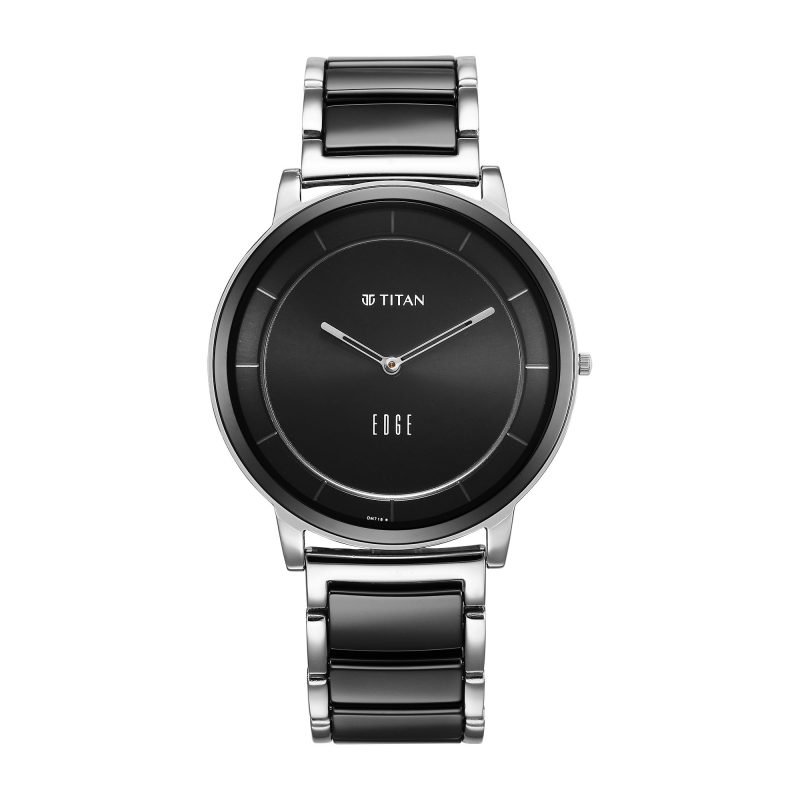
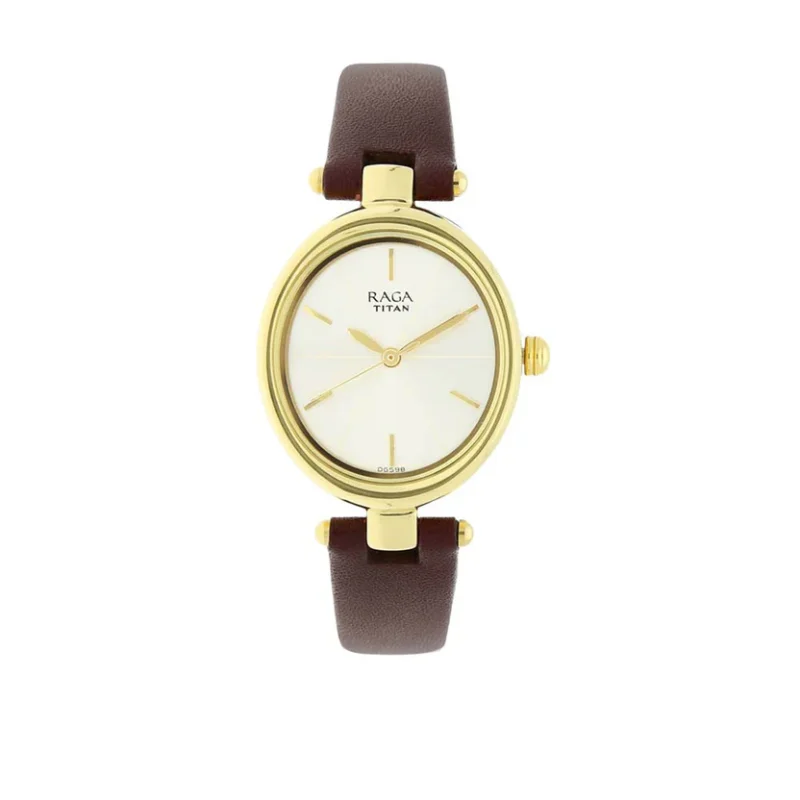
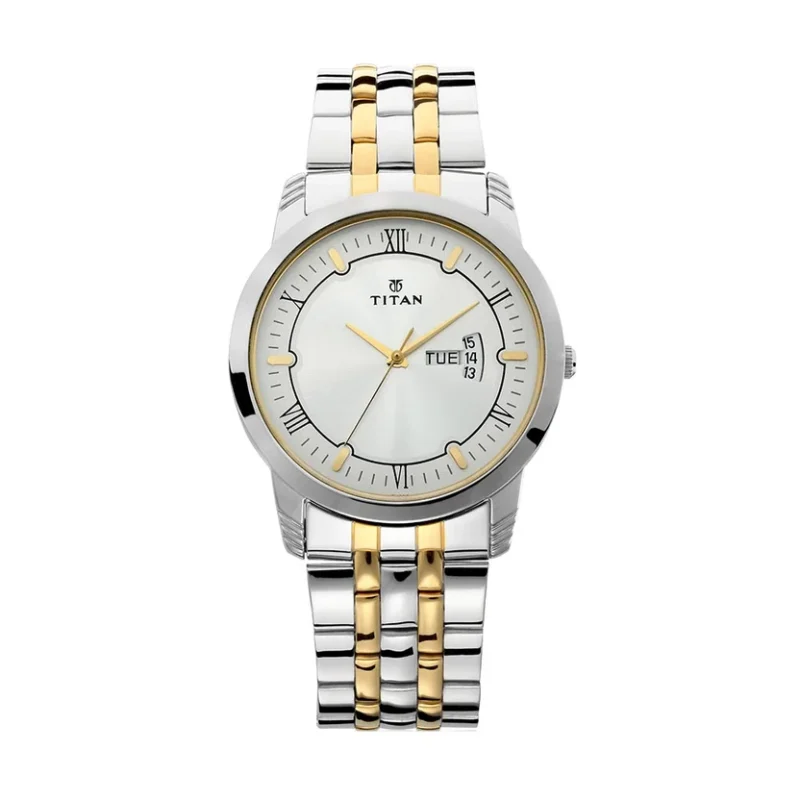
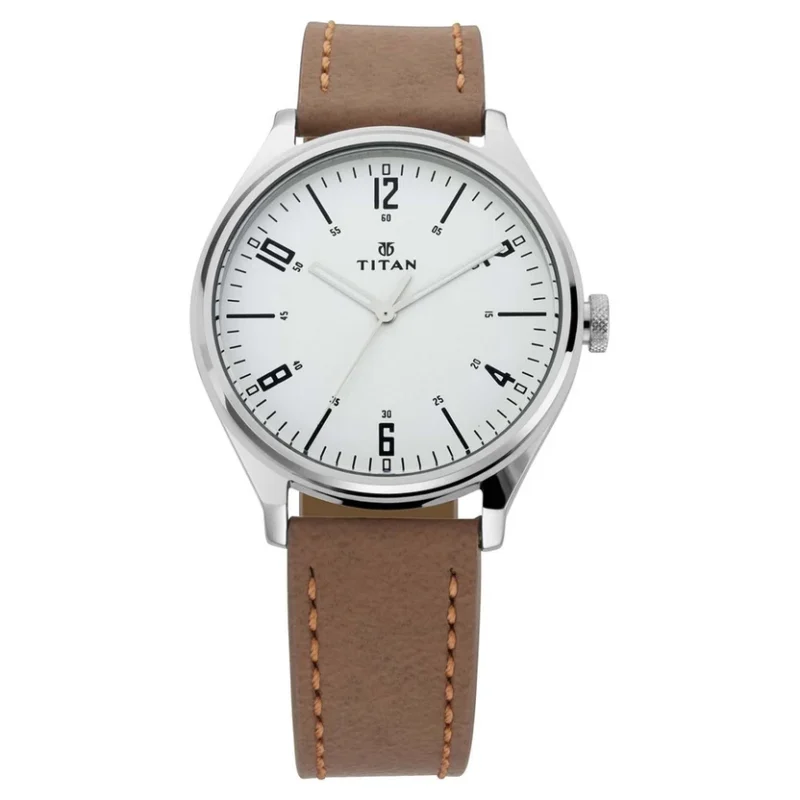

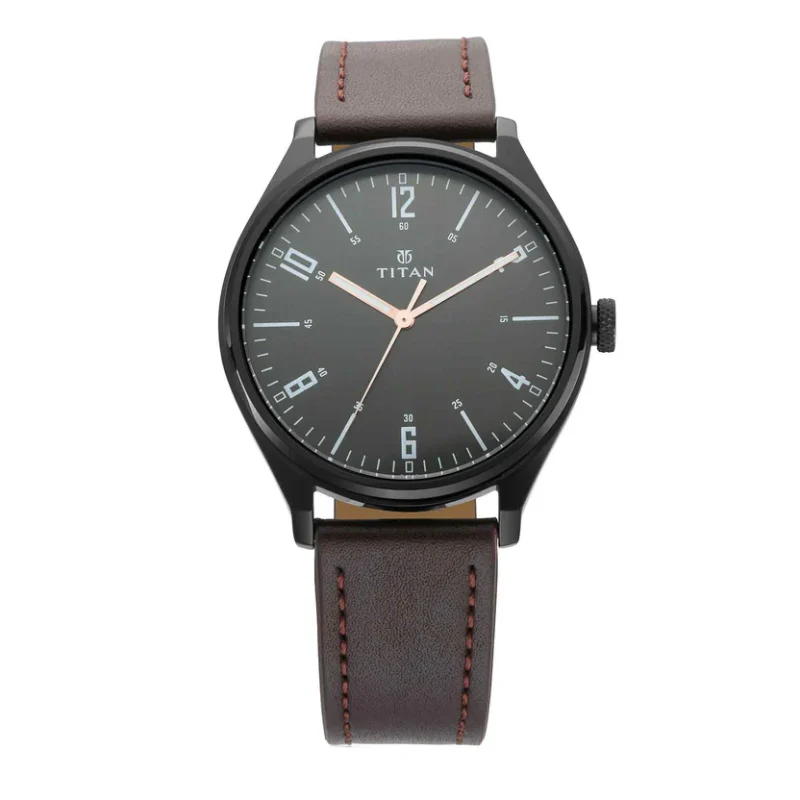
 Luxury Mens Watch
 Luxury Womens Watch
 Titan Mens Watch
 Titan Womens Watch
 Naviforce Mens Watch
 Naviforce Womens Watch