







Choosing a Watch for Trekking in Nepal: What to Check Before You Pack
Autumn has arrived, and the trails are filling up. If you are packing for a trek, choosing a watch for trekking in Nepal is easier than it looks. You do not need an expedition instrument. You need a watch that survives rain, cold, sweat and the occasional knock against rock.
September to November is one of the two busiest trekking windows in Nepal, and spring is the other. So this is the right moment to sort out your kit. Below, you will find a simple checklist and a shortlist of two budget-friendly watches from Gadget Sathi.
Do you really need a watch for trekking in Nepal?
Your phone already shows the time, so the question is fair. However, phones lose charge quickly in the cold. They also live in a zipped pocket, which makes them slow to check. A watch solves both problems. One glance at your wrist tells you whether you can reach the next tea house before dark.
First, let’s separate two kinds of trekking watch. Outdoor smartwatches track GPS, altitude and heart rate. They are a different category, and this guide does not cover them. Simple analog and multifunction watches are our focus here. They suit most tea house treks, from Poon Hill to Annapurna Base Camp.
What to look for in a watch for trekking in Nepal
Seven features decide whether a watch for trekking in Nepal copes with the trail. The table shows why each one matters and what to check on a product page.
| Feature | Why it matters on the trail | What to look for |
|---|---|---|
| Water resistance | Rain, sweat and splashes reach your wrist daily | 3 ATM (30 m) or higher |
| Weight | A heavy watch bounces and rubs over long days | The lighter, the better; compare listed weights |
| Strap | It must cope with sweat, cold and gloves | Silicone or nylon, long enough to fit over a cuff |
| Luminous hands | Many treks start before sunrise | “Luminous” in the listing; test it in the dark |
| Glass | Rocks and trekking poles scratch glass | Hardened mineral glass or better |
| Battery | Cold weakens batteries | A fresh battery before you leave |
| Dial | You need to read the time at a glance | Clear numerals and a simple layout |
Let’s look at the features that matter most.
Water resistance: is 3 ATM enough on the trail?
For rain, sweat and splashes, yes. A 3 ATM rating (also printed as 3 bar or 30 m) means the watch passed a still-water pressure test in a lab. It does not mean you can dive 30 metres. In fact, the Water Resistant mark article on Wikipedia explains that the number comes from a single static test, not from real-world use.
So treat 3 ATM as “rain and handwashing, yes; swimming and rafting, no”. If your itinerary includes rafting or canyoning, pick a higher rating. Also avoid pressing buttons or pulling the crown while the watch is wet.
| Rating | Typical guidance | Trail verdict |
|---|---|---|
| 3 ATM (30 m) | Splashes, rain, handwashing | Fine for trekking weather |
| 5 ATM (50 m) | Also showers and light swimming | Extra margin for river crossings |
| 10 ATM (100 m) | Swimming and snorkelling | Better if rafting is on your list |
Always follow the manual for your exact model. For a full breakdown of every line on a listing, read our guide to watch specifications explained.
Weight and strap: what feels right after six hours
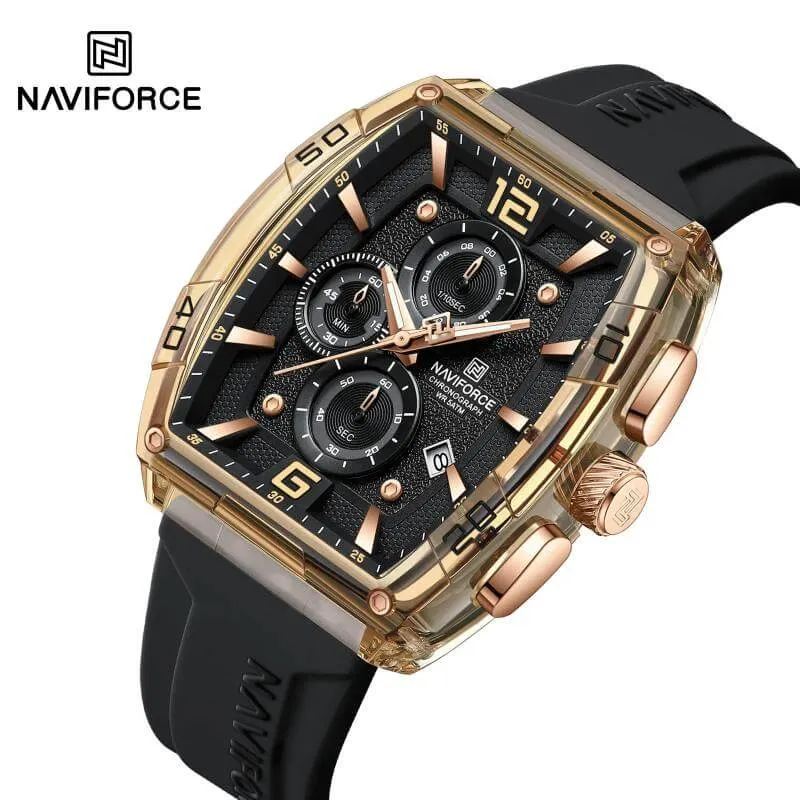
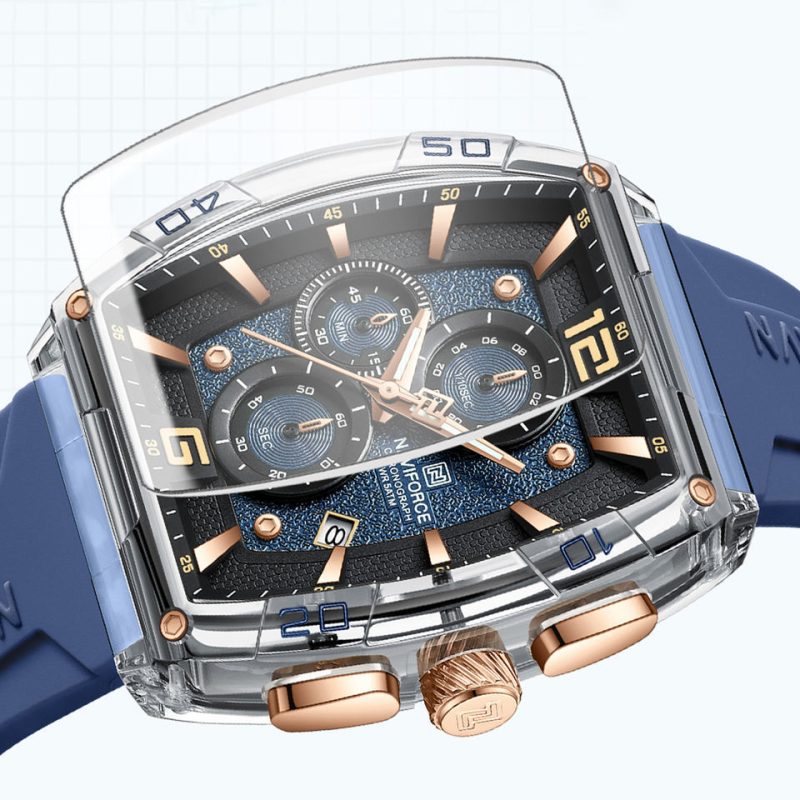
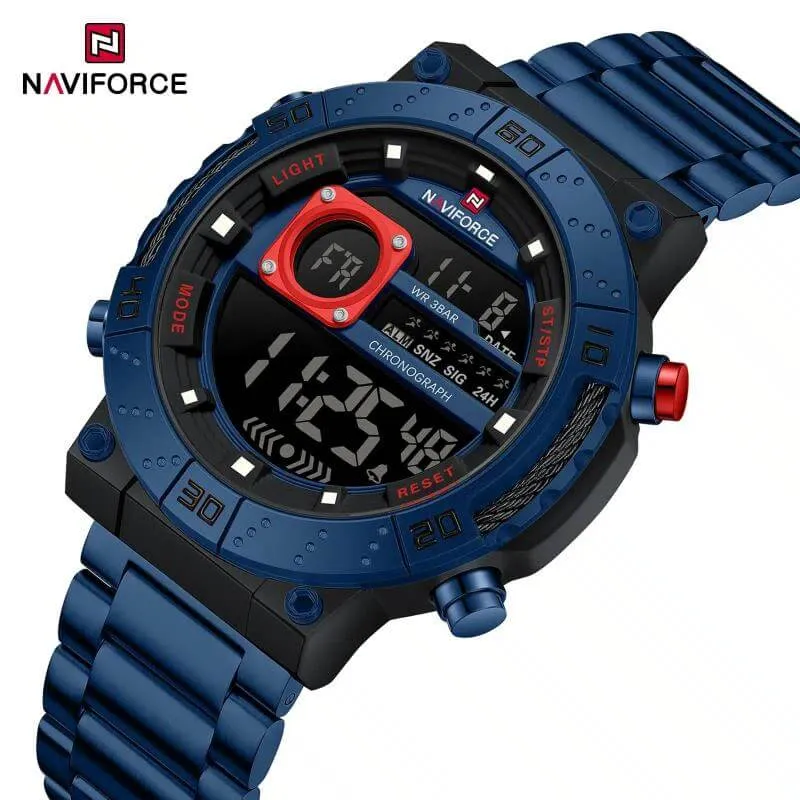
Weight adds up quickly. The NaviForce NF6101 weighs 67 g on a silicone strap. The NF9250 weighs 134 g on a steel bracelet. That is twice the weight, and you will feel it after six hours of walking. Steel also turns cold in freezing air, which is unpleasant against bare skin.
Strap material matters just as much:
- Silicone or rubber: dries fast, shrugs off sweat and stays comfortable with gloves.
- Nylon: light and quick to dry, although it can fray over time.
- Leather: looks great in town, but absorbs sweat and can stiffen after wet days. Our guide to cleaning a leather watch strap at home helps if you go this way.
- Stainless steel: tough, but heavy and cold.
Length is easy to forget. On cold mornings you will wear a jacket, so measure your wrist over the cuff. The NF6101 lists a 260 mm band, while the NF9250 lists 240 mm. The longer band leaves more room for layers.
Low light and cold: luminous hands and batteries
Many treks begin in the dark. The sunrise walks to Poon Hill and Kala Patthar are two examples. Luminous hands let you check the time without fumbling for a headlamp. However, lume only glows after it absorbs light. So hold the watch under your headlamp for a few seconds before you set off.
Cold is the other challenge. Batteries deliver less power in freezing air. A quartz watch usually keeps running, but a digital display can look faint or slow until it warms up. For that reason, keep the watch under your sleeve or close to your body at night. Also, fit a fresh battery before a long trek if you do not know when the last one was changed. So, when you choose a watch for trekking in Nepal, check the lume and the battery age first.
Glass and case: expect scratches, not disasters
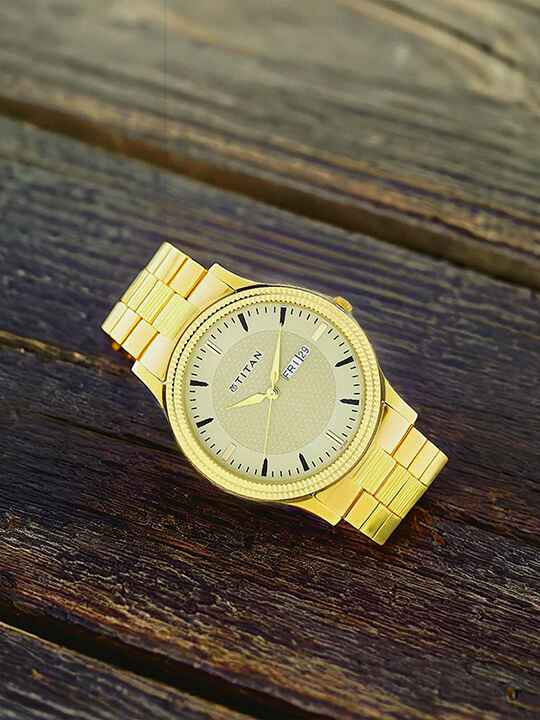
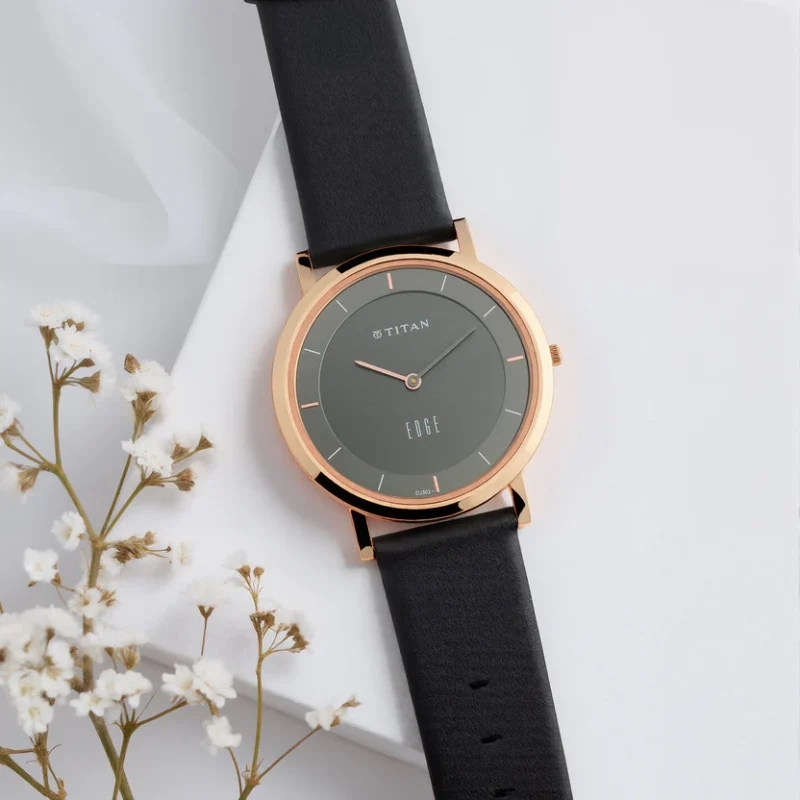
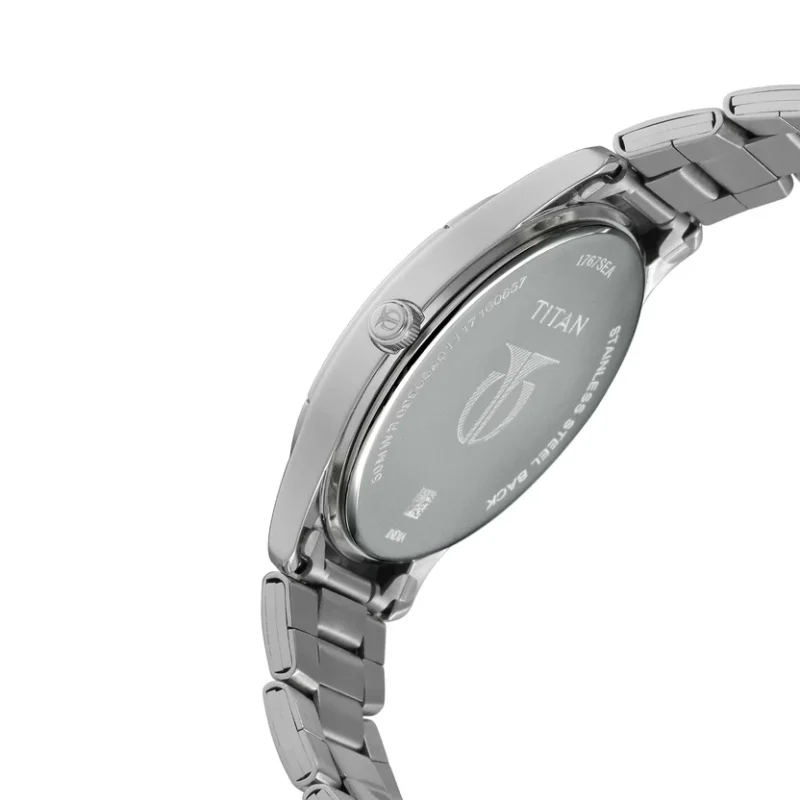
Both NaviForce watches below use hardened mineral glass. It handles everyday wear well, although it scratches more easily than sapphire crystal. The Titan Edge Quartz Anthracite listing shows sapphire crystal and a slim 3.6 mm case. However, it costs Rs 29,990, and its slim profile suits town better than trail.
So take a watch you can afford to scratch. Keep your premium Titan for the city, where it shines. On rocky trails, scratches are far more likely than cracks. A light, forgiving watch is therefore the wiser trail partner.
Our shortlist: a watch for trekking in Nepal on a budget
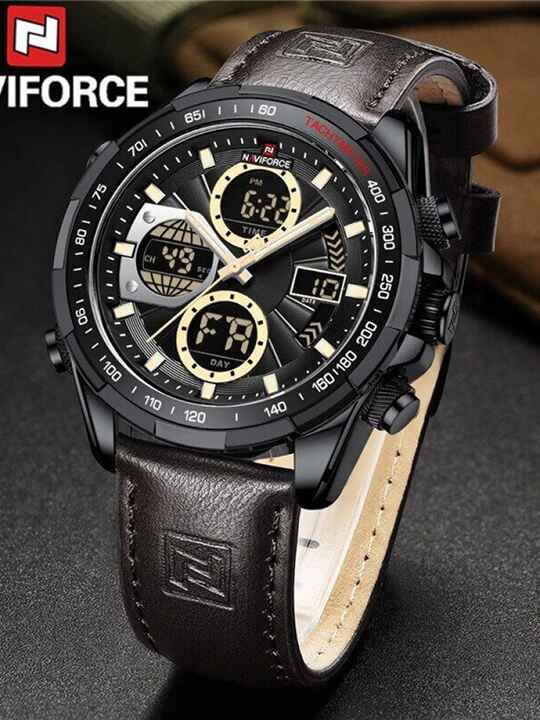
Here is how two current listings compare. Both make sensible options for a watch for trekking in Nepal, and both list 3 ATM water resistance.
| Detail | NaviForce NF6101 | NaviForce NF9250 |
|---|---|---|
| Price (24 Sep 2026) | Rs 2,849 | Rs 2,650 |
| Water resistance | 3 ATM | 3 ATM |
| Weight | 67 g | 134 g |
| Strap | Silicone, 26 mm wide, 260 mm long | Stainless steel, 22 mm wide, 240 mm long |
| Case | PC plastic, 45 mm wide, 16 mm thick | Zinc alloy, 41 mm wide, 13 mm thick |
| Glass | Hardened mineral | Hardened mineral |
| Stand-out feature | Light and multifunction | Luminous hands and date display |
| Best for | Long, wet or cold days | Town, tea house evenings and short walks |
We took the prices and specs from the product pages on 24 September 2026. Please check each listing for the latest details. The NF6101 listing does not spell out its exact functions, so ask us before you order if you need an alarm or stopwatch.
Both watches are budget-friendly, so a scratch will not ruin your trip. That said, neither replaces a GPS watch if you want tracking. Browse more options in the NaviForce men’s watch collection, or read our honest NaviForce buying guide before you decide.
A simple trekking watch checklist
| Stage | What to do |
|---|---|
| Before you go | Check that the seconds hand runs smoothly. Fit a fresh battery if you are unsure of its age. Set the time and date. Test the lume. Try the strap over your jacket. |
| On the trail | Keep the watch under your cuff at night. Recharge the lume with your headlamp. Avoid pressing buttons with wet hands. |
| After you return | Wipe off dust and sweat. Dry the strap. Check for fog under the glass. Store the watch somewhere dry. |
If you see fog under the glass after moving between cold and warm rooms, have the seals checked. Our monsoon care guide has more tips on keeping moisture away from your watch. Finally, check current trail rules and safety advice with the Nepal Tourism Board before you set off.
Watch for trekking in Nepal: FAQs
Can I wear a normal analog watch on the Everest or Annapurna trek?
es, for most trekkers. A sealed quartz watch usually copes well with altitude. Cold, rain, sweat and knocks are the bigger risks, so pick a watch that handles those.
Is 3 ATM water resistance enough for trekking?
For rain, sweat and splashes, yes. However, it is not designed for swimming or rafting. Choose 5 ATM or 10 ATM if water sports are part of your plan.
Should I take an expensive watch trekking?
You do not need to. Scratches and loss are real risks on the trail. A budget-friendly watch for trekking in Nepal keeps time just as well, with far less worry.
Do watch batteries fail in the cold?
They can weaken for a while. Keep the watch close to your body at night, and fit a fresh battery before you leave.
Can I get a watch delivered before my trek?
Our FAQ lists delivery within about 24 hours in Kathmandu Valley and one to two business days elsewhere in Nepal. These are estimates, so order early. The same page explains payment options and our 7-day return terms.
Final thoughts
A good watch for trekking in Nepal is light, sealed, easy to read and cheap enough to scratch. Use the checklist above, compare listed weights and water-resistance ratings, and test the fit over your jacket. Ready to choose? Browse the NaviForce men’s collection or contact Gadget Sathi with your questions.
 Luxury Mens Watch
 Luxury Womens Watch
 Titan Mens Watch
 Titan Womens Watch
 Naviforce Mens Watch
 Naviforce Womens Watch