







How to Protect Your Watch During Nepal’s Monsoon: A Practical Care Guide
Nepal’s monsoon is hard on watches in ways that are easy to miss. Rain gets the attention, yet humidity, sweat, dust and sudden temperature changes often cause more everyday trouble. Leather straps absorb moisture, metal bracelets collect grime, and careless exposure can test seals that were never designed for swimming.
The good news is that proper watch care does not require a complicated routine. A few habits can keep your watch cleaner, more comfortable and better protected through the wet season.
First, Understand What Water Resistance Actually Means
A water-resistance rating is not a promise that every wet situation is safe. Ratings are measured under controlled conditions, while real life adds movement, soap, heat and aging seals. Therefore, treat the rating as a protection level, not an invitation to push the watch to its limit.
For everyday users, the safest habit is simple: avoid unnecessary water exposure unless the manufacturer clearly states that the watch is suitable for swimming or heavier use. Never press pushers or operate the crown while the watch is wet unless the model specifically allows it.
Dry the Watch After Rain or Heavy Sweat
When you come inside after rain, wipe the case, crystal and strap with a soft, dry cloth. Pay attention to the area between the case and strap because moisture can stay trapped there. If the watch has a metal bracelet, gently dry between the links as well.
This small step matters because trapped moisture mixes with skin oils and dust. Over time, that mixture can create odor, discoloration and irritation.
Leather Straps Need Extra Care
Leather looks excellent with dress watches, but it dislikes repeated soaking. During monsoon months, avoid wearing a leather strap in heavy rain whenever possible. If it becomes damp, remove the watch and let the strap dry naturally in a ventilated room.
Do not place wet leather on a heater, under a hair dryer or in direct harsh sun. Fast drying can make it stiff or cracked. Instead, patience protects the material better.
Metal Bracelets Are Easier, but They Still Need Cleaning
Stainless-steel bracelets handle humidity well, yet sweat and dust settle between links. Wipe the bracelet regularly and clean it more thoroughly from time to time according to the manufacturer’s care instructions. Before using water, however, make sure the watch head has suitable water resistance and that the crown is secure.
A clean bracelet does more than look better. It also prevents the rough, sticky feeling that often appears after long days in Kathmandu heat or humid weather.
Quartz and Automatic Watches Need Different Attention
Quartz watches are generally low maintenance. Their main long-term needs are battery replacement, seal checks and routine cleaning. If a battery dies, replace it promptly rather than leaving an old battery inside for months.
Automatic watches add mechanical care to the list. Wear them regularly, keep them away from strong magnets and avoid hard shocks. If you rotate several watches, store the unworn pieces in a clean organizer where they stay protected from dust and accidental scratches.
Watch Out for Sudden Temperature Changes
Moving quickly from a hot, humid outdoor environment into a strongly air-conditioned room can sometimes reveal condensation problems, especially if seals are compromised. If you see persistent fogging under the crystal, do not ignore it. Moisture inside the case needs professional attention.
The key word is persistent. A watch that repeatedly fogs inside is telling you something is wrong.
A Five-Minute Weekly Monsoon Routine
- Wipe the case and strap with a clean microfiber cloth.
- Check the crown and pushers for obvious looseness or damage.
- Inspect leather for dark moisture marks or odor.
- Clean dirt from bracelet gaps with a soft, dry brush where appropriate.
- Store the watch in a dry organizer instead of leaving it near a bathroom window or damp surface.
When Should You Get a Watch Checked?
Seek service if you notice fogging under the crystal, unusual timekeeping changes, a loose crown, a damaged gasket area, rust-colored marks, or a battery watch that suddenly stops after water exposure. Acting early can prevent a small problem from becoming an expensive repair.
Final Thought
Monsoon watch care is mostly about consistency. Keep moisture from sitting on the watch, treat leather gently, clean metal regularly and respect the limits of the water-resistance rating. Those habits take minutes, yet they can add years to the life of a watch. If you own several pieces, a watch organizer can also keep the collection dry, separated and ready for the next wear.
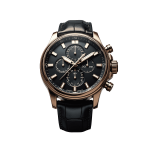 Luxury Mens Watch
 Luxury Womens Watch
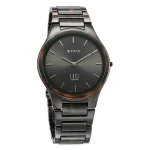 Titan Mens Watch
 Titan Womens Watch
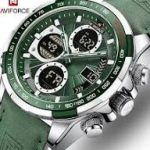 Naviforce Mens Watch
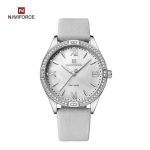 Naviforce Womens Watch