







Watch Lug-to-Lug Size Guide: Find the Right Fit for Your Wrist in Nepal

A watch can look compact in a product photo and still feel oversized on your wrist. The reason is often lug-to-lug length: a dimension that tells you how far the watch case stretches from top to bottom. If you’ve ever tried a watch whose strap drops awkwardly beyond the edges of your wrist, this is the measurement to check.
This guide explains lug-to-lug sizing for anyone shopping for watches in Nepal. You don’t need a special chart based on gender or nationality: your own wrist shape and the actual dimensions of the watch are more useful.
What Does Lug-to-Lug Mean?
The lugs are the projections on a watch case where its strap or bracelet connects. Lug-to-lug length is the straight-line distance from the outer tip of the upper lugs to the outer tip of the lower lugs, measured along the 12-to-6-o’clock direction.
It is different from three other common specifications:
| Measurement | What it tells you |
|---|---|
| Case diameter | How wide the main case is, usually excluding the crown |
| Lug-to-lug | How far the case extends across the top of your wrist |
| Case thickness | How high the watch sits above your wrist |
| Lug width | The space between a pair of lugs, used to select a compatible strap |
Important: A 20 mm lug width does not mean the watch has a 20 mm lug-to-lug length.
Why Lug-to-Lug Matters More Than Diameter Alone
Compare two hypothetical watches:
- Watch A: 40 mm case diameter and 46 mm lug-to-lug length.
- Watch B: 38 mm case diameter and 50 mm lug-to-lug length.
Although Watch B has the smaller diameter, it extends farther along the wrist. On a narrow or rounded wrist, it may look and feel larger. The design of the lugs also matters: short, downward-curving lugs can hug the wrist, while long, straight lugs can create visible overhang.
A good starting point is to choose a watch whose effective lug-to-lug span does not extend beyond the relatively flat surface on top of your wrist. This is a fit guideline, not a universal rule or a guaranteed size conversion.
How to Measure Your Wrist at Home
You will need flexible measuring tape, or a strip of paper or string and a ruler.
- Wrap the tape comfortably around the part of the wrist where you normally wear a watch, close to but not over the wrist bone.
- Record the circumference in centimetres or millimetres. If using string, mark the overlap and measure it flat against a ruler.
- Repeat the measurement to check consistency. Do not pull the tape so tightly that it compresses your skin.
- Look down at the top of your wrist. If possible, use a ruler to estimate the width of the relatively flat area where the case will sit.
Circumference is helpful for choosing strap length, but it cannot reliably determine flat wrist width by itself. Two people with the same circumference may have different wrist shapes. Avoid any calculator that claims to derive an exact lug-to-lug limit from circumference alone.
How to Measure a Watch’s Lug-to-Lug Length
If you already have the watch, lay it face-up on a stable surface. Measure from the outermost tip of the lug at 12 o’clock to the outermost tip at 6 o’clock with a ruler or, for better precision, a caliper. Measure the case lugs—not the distance between the spring bars.
Some bracelets have rigid first links that project past the lugs. In that case, check the effective wearable span, including those links. It can matter more for comfort than the published case measurement.
If you’re buying online and the specification is missing, ask the seller for a photo beside a ruler or for the model’s confirmed dimensions. Do not assume that two models from the same brand fit alike.
A Practical Fit Check Before Buying
Rather than treating a wrist-circumference chart as a guarantee, use the following checks:
| Check | What to look for |
|---|---|
| Lug placement | Lug tips sit on, rather than visibly past, the top edges of your wrist |
| Strap angle | Strap or bracelet curves down naturally instead of flaring outward |
| Comfort | Crown, caseback, and clasp do not dig into your skin during normal movement |
| Proportion | The dial and case match the look you want; this is personal preference |
| Adjustment | Bracelet links, clasp adjustment, or strap holes allow a secure fit |
A small gap beneath the lugs is not automatically a sizing failure. Case shape, strap stiffness, and personal preference all affect the result.
What if your wrist is around 16.5 cm?
Start by comparing models in person or looking at wrist-shot photos of people with a similar wrist circumference and shape. A lug-to-lug length in the mid-40 mm range is a useful starting point to try, not a guaranteed fit. Check a watch’s shape and its first bracelet links before making a decision.
Does watch sizing differ ?
Watch fit is not determined by gender. Use your individual wrist measurements and preferred appearance. Anyone can choose a compact dress watch or a larger sports watch, provided it sits securely and feels comfortable.
Watch Fit for Everyday Life in Nepal
A watch worn to an office, a celebration, or a weekend outing may need different features. For shirts and tailored sleeves, consider case thickness as well as lug-to-lug length. For more active use, prioritise a comfortable, secure strap and check the specific model’s water-resistance instructions. A heavy bracelet can also change how a large watch feels over a full day.
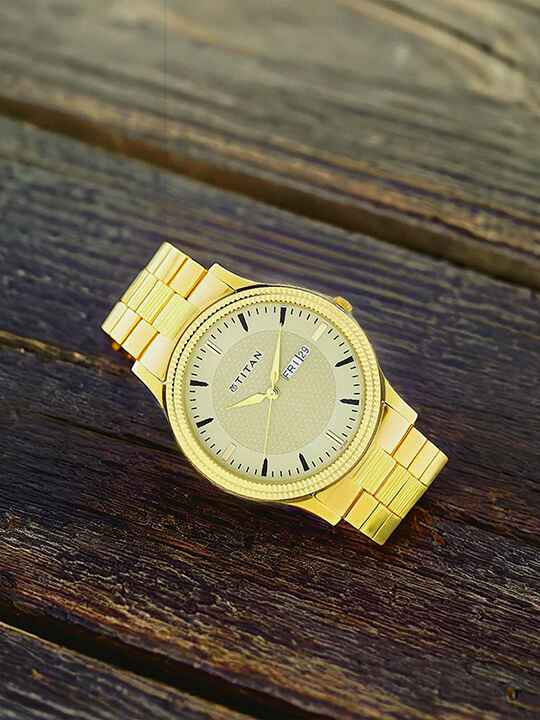
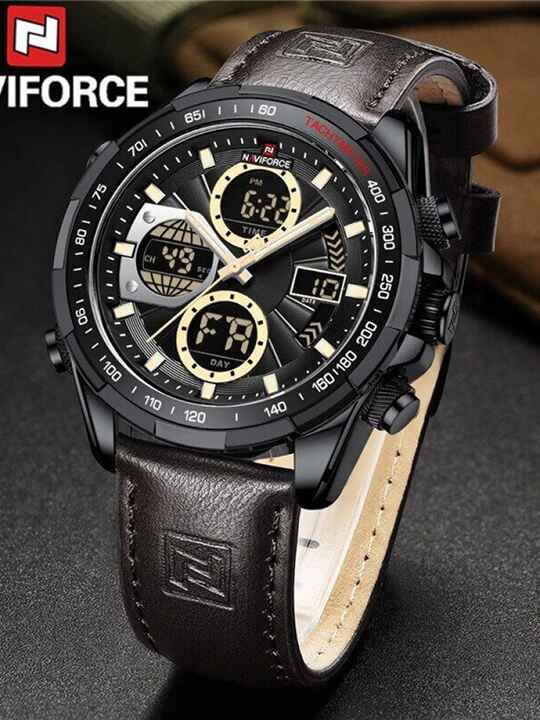
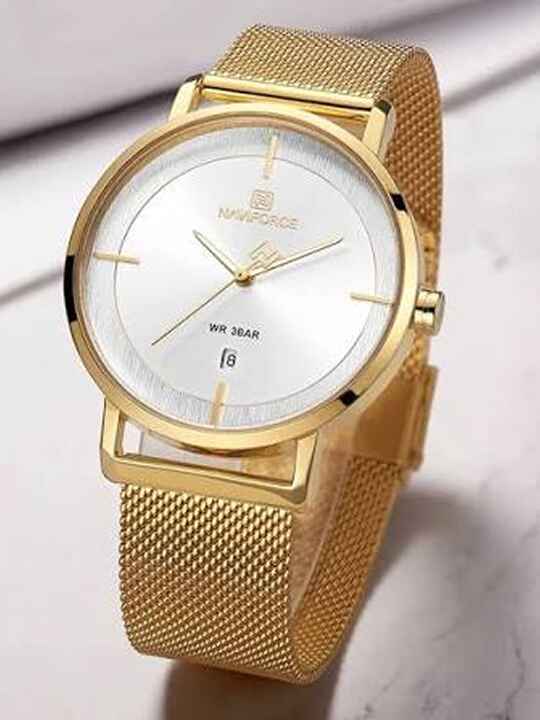
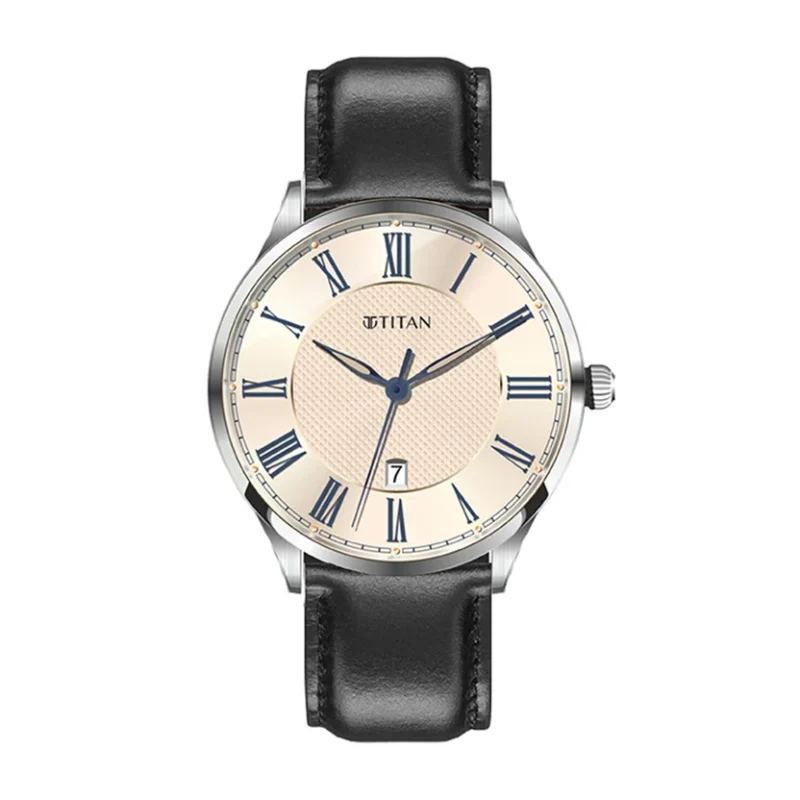
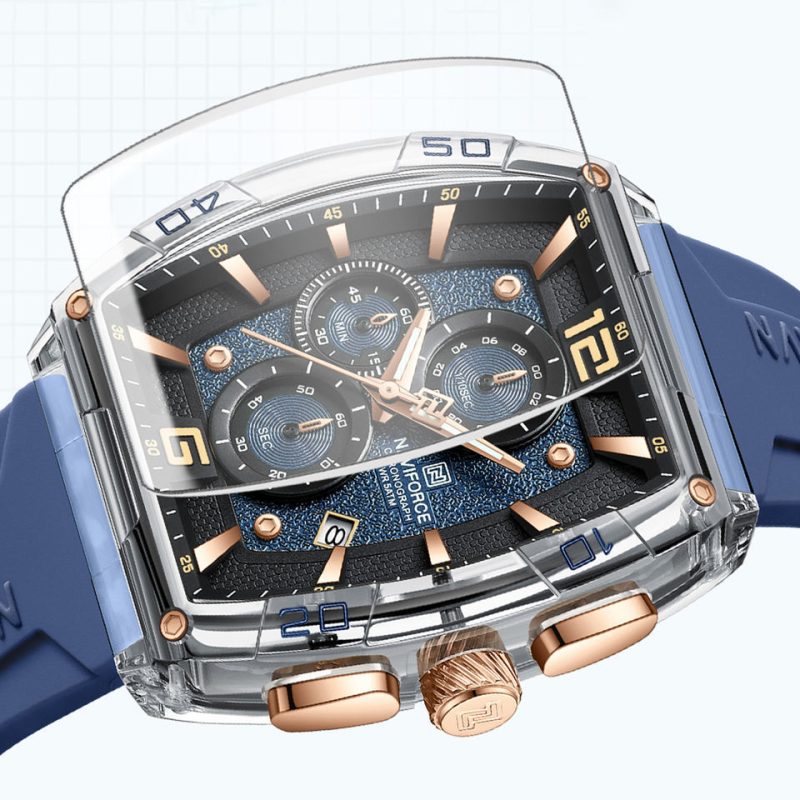
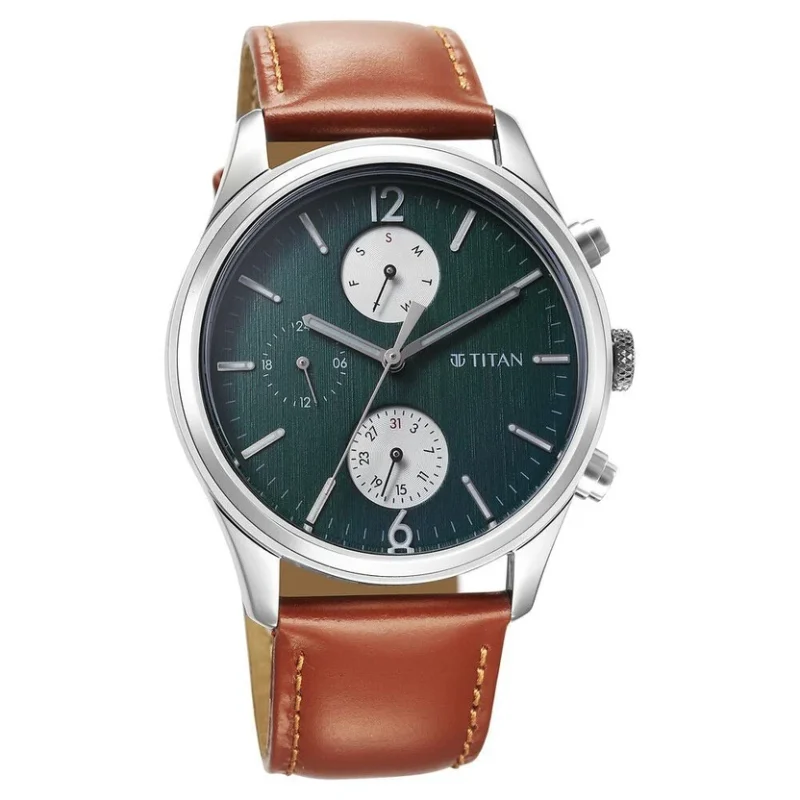
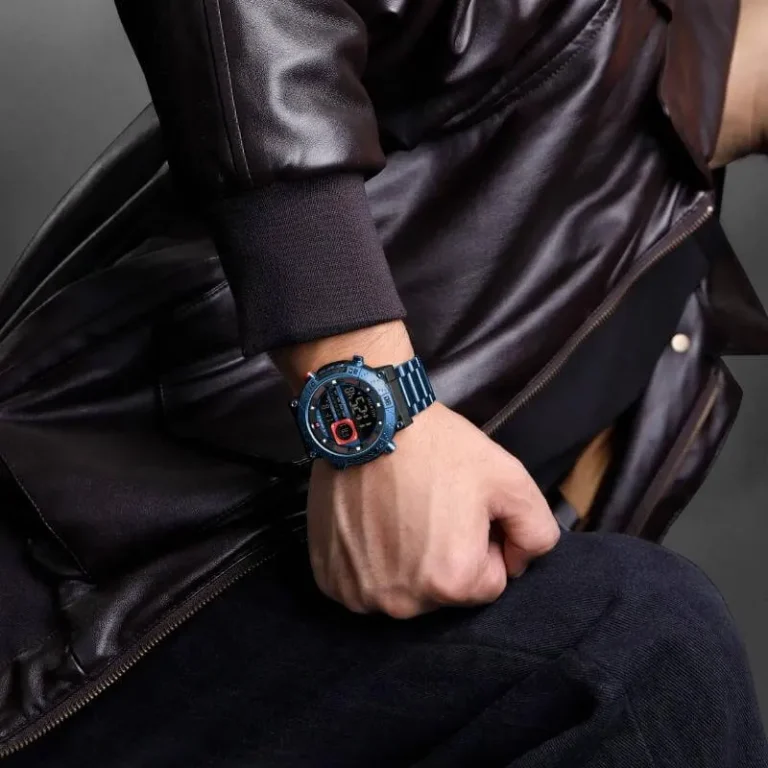
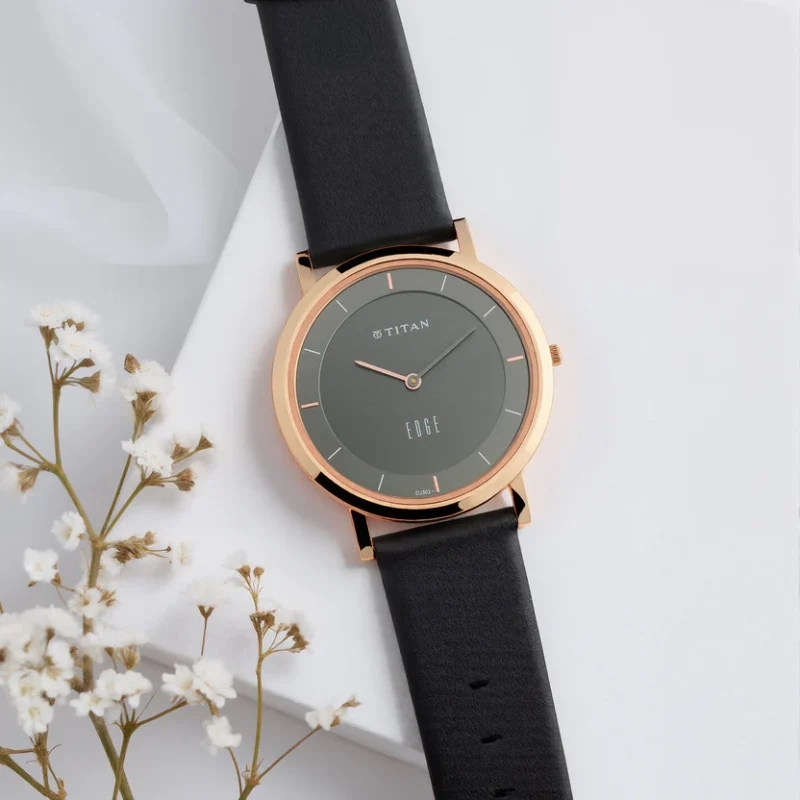
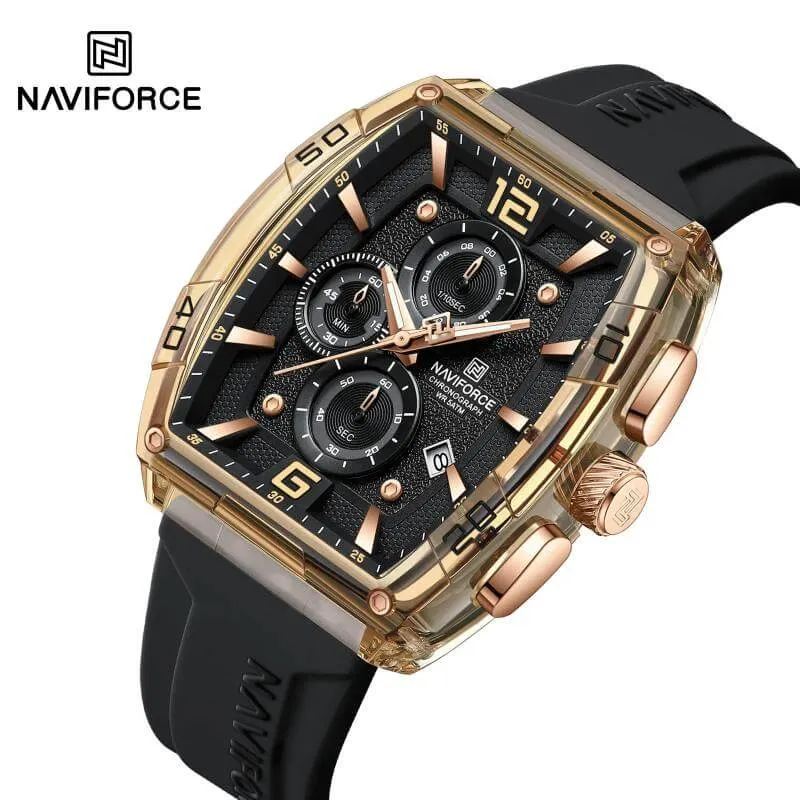
When comparing Titan, NaviForce, or any other brand, look at the exact model instead of relying on broad brand-wide sizing claims. Even watches with identical case diameters can wear very differently.
Five Common Watch-Sizing Mistakes
- Buying by case diameter alone. Check lug-to-lug length and the case shape.
- Confusing lug width with lug-to-lug. One describes strap compatibility; the other describes the case’s vertical span.
- Trusting an exact circumference-to-lug conversion. Wrist shape makes that unreliable.
- Ignoring rigid bracelet end links. They can make the watch wear longer than its listed case measurement.
- Assuming returns cover every fit preference. Review the store’s actual conditions before ordering and ask sizing questions in advance.
Frequently Asked Questions
What is a good lug-to-lug size for a small wrist?
There is no single number that fits every small wrist. Measure your wrist, compare the watch’s dimensions with its flat upper surface, and check photos or try it on whenever possible.
Is a 40 mm watch too big for a 6-inch wrist?
Not necessarily. The lug-to-lug length, curved or straight lugs, bezel design, strap, and wrist shape can make two 40 mm watches feel completely different.
Can I measure lug-to-lug with a ruler?
Yes. Measure between the outermost lug tips in the 12-to-6-o’clock direction. A caliper is more accurate, but a ruler is sufficient for an initial comparison.
What if a product page does not show lug-to-lug size?
Ask the seller for a measured value or a clear ruler photo. Do not substitute strap/lug width for lug-to-lug length.
Should the watch lugs touch the edge of my wrist?
They can sit near the edge, but visible overhang and an outward-flaring strap are reasons to try a shorter or more curved design. Comfort and appearance remain personal.
Before buying, compare the case diameter, lug-to-lug length, case thickness, strap type, and adjustment options together. A few measurements can tell you more about fit than a product photo or a generic ‘men’s’ or ‘women’s’ size label.
Explore the available styles at Gadget Sathi. For shipping, payments and eligible return conditions, check the store’s FAQ before ordering.
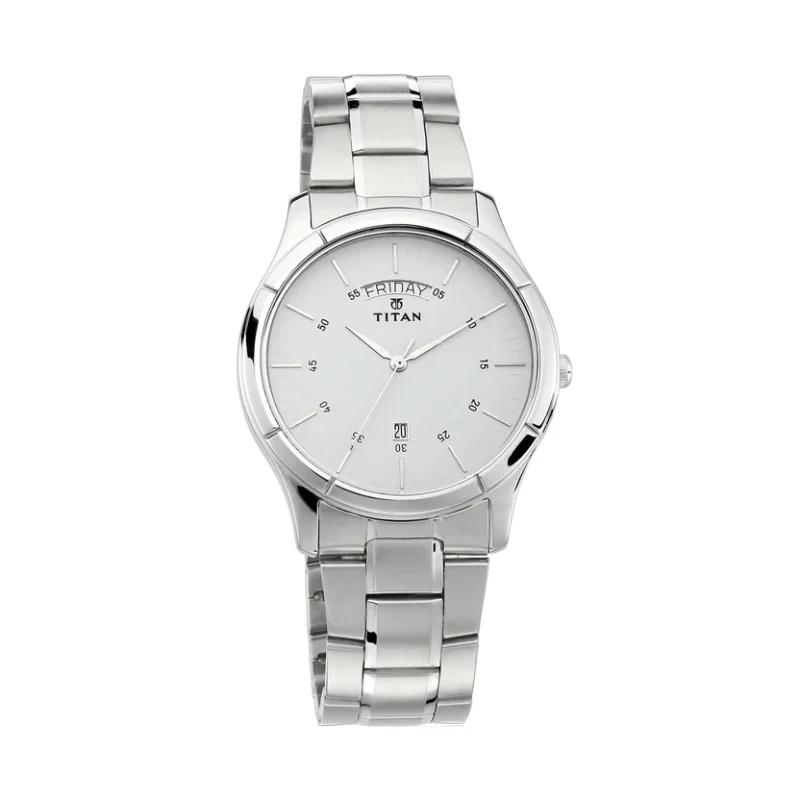
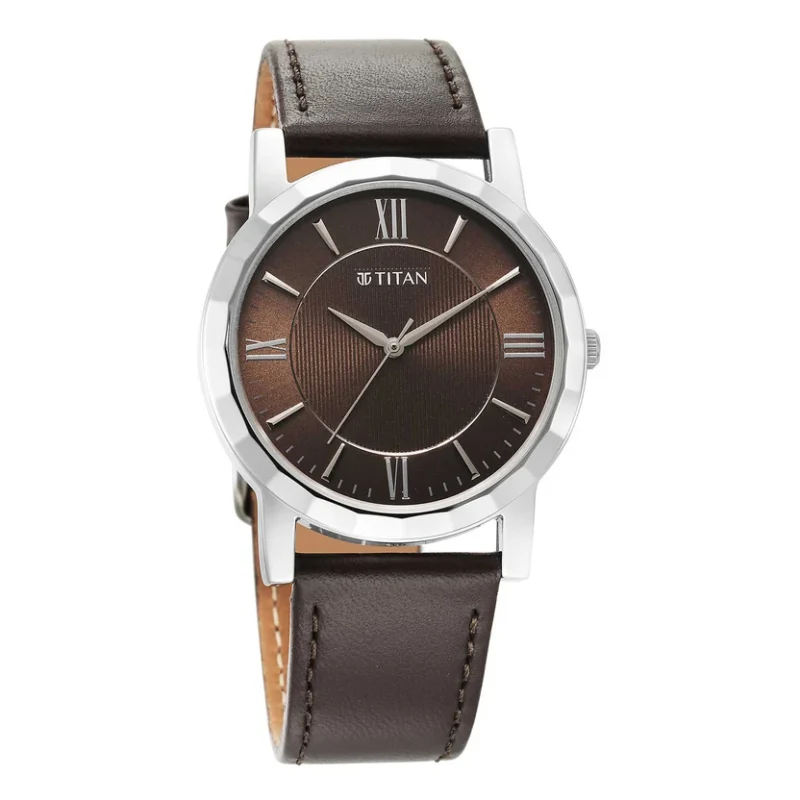
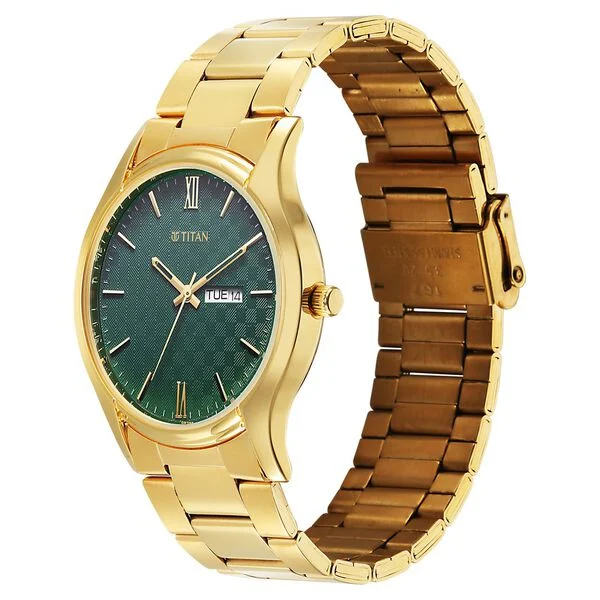
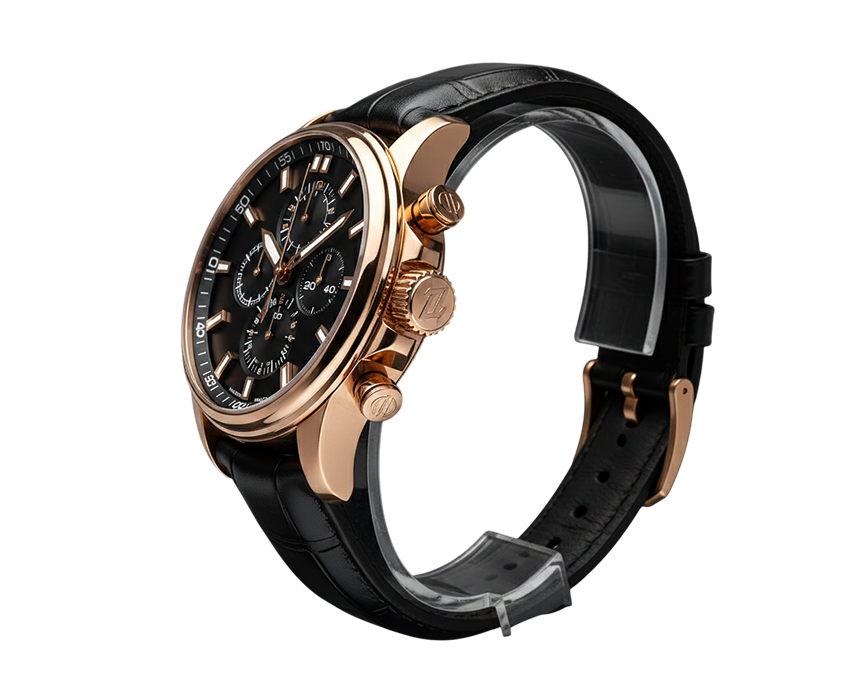
 Luxury Mens Watch
 Luxury Womens Watch
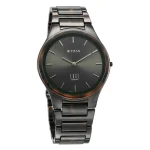 Titan Mens Watch
 Titan Womens Watch
 Naviforce Mens Watch
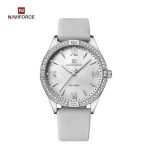 Naviforce Womens Watch