










How to Take Care of a Watch in Nepal: 9 Simple Habits
Knowing how to take care of a watch matters more in Nepal than most people expect. Kathmandu dust, monsoon humidity, sudden rain and Terai heat all take a toll, and none of them announce themselves. The watch just looks a bit dull one day, or starts losing time, or the strap cracks.
The good news is that learning how to take care of a watch mostly means building boring habits. You don’t need special tools. Here are nine that make a real difference, whether you wear a Rs 2,500 Naviforce or a Rs 30,000 Titan.
How to take care of a watch: nine habits that matter
1. Wipe it down every day
Use a soft microfiber cloth or a clean cotton handkerchief. Fine dust works like sandpaper on a crystal and a polished case, so wiping it off before it builds up saves you from tiny scratches. Do it when you take the watch off in the evening. It takes ten seconds.
2. Clean the bracelet now and then
Steel bracelets collect sweat and grime in the links. Once in a while, use a soft toothbrush with a little mild soap and water, then dry it fully. But only do this if you know the watch is water resistant. If you’re not sure, wipe with a barely damp cloth instead. Our guide to water resistant watch ratings explains how to check.
3. Keep sanitizer and perfume away
Spray perfume first, then put your watch on. Hand sanitizer is a bigger offender than people realise. It can stain leather straps and dull gold-tone or plated finishes over time. If you’ve just sanitised, let your hands dry before you touch the watch.
4. Respect the monsoon
Humidity is the quiet enemy here. Store your watch in a dry spot, and drop a silica gel packet into the box during the rainy months. If you ever see fog or tiny droplets under the glass, don’t ignore it. Take the watch to a watchmaker quickly, because trapped moisture can damage the movement.
5. Don’t leave it in the heat
A bike tank, a car dashboard, a bathroom shelf next to the geyser. All bad places. Heat can dry out seals and warp straps. A drawer or a watch box at room temperature is ideal.
6. Change the battery on time
Most quartz batteries last around two to three years, though it varies by watch. On some models, the second hand starts jumping in four-second steps when the battery is low. That’s your warning. Don’t leave a dead battery inside, because it can leak and cause damage.
When the battery is replaced, ask the person to check the case seal too. Opening the back can affect water resistance.
7. Treat the strap like a part that wears out
Straps are the first thing to age. Leather is happier if you rotate watches, so it can dry out between wears. Silicone can be washed with soap and water. Steel needs the occasional clean. If you’re thinking of changing it, read our guide to the best watch strap material first.
8. Handle the crown and buttons gently
Don’t pull the crown out with wet hands. Don’t press buttons underwater. And when you set the time, do it slowly instead of yanking the crown around. These little habits matter, especially on watches with date and chronograph functions.
9. Take it off for rough jobs
Cricket, football, lifting weights, fixing a bike, mixing cement, cleaning with strong chemicals. The watch doesn’t need to be there for any of it. A hard knock can misalign hands or crack the glass, even on a sturdy case.
A two-minute weekly routine
If nine habits feel like a lot, here is how to take care of a watch in about two minutes a week:
- Wipe the case, glass and strap with a soft cloth.
- Check that the crown is pushed in fully.
- Look under the glass for fog.
- Make sure the strap pins and clasp feel snug.
- Put the watch back in a dry place, not on the bathroom shelf.
That’s it. Do this once a week and most problems show up early, while they’re still cheap to fix.
When to see a watchmaker
Some things aren’t DIY jobs, however well you know how to take care of a watch. Book a visit if you notice any of these:
- Moisture or fog under the glass
- A crown that feels loose, spins freely or won’t screw down
- The time suddenly drifting by minutes every day
- A cracked crystal, even a small one
- Buttons that feel stuck on a chronograph
If the watch is new, keep the invoice and warranty card somewhere safe. If you’re shopping for a genuine Titan, our post on how to check an original Titan watch in Nepal covers what to look for on the paperwork.
Quick questions
Can I wear my watch in the rain?
It depends on the water resistance rating. A 30m rating usually handles rain and handwashing, but not much more. Check the caseback or ask before you assume.
How often should a quartz watch be serviced?
Quartz watches are simple. A battery change every few years is a good time for a quick check of the seals and the general condition. Mechanical watches need more regular servicing, which we cover in quartz vs automatic watches.
Is it bad to leave a watch unused for months?
Not really. A quartz watch simply stops when the battery runs out. Just don’t forget it in a drawer for years with a dead battery still inside.
A watch lasts when it’s looked after
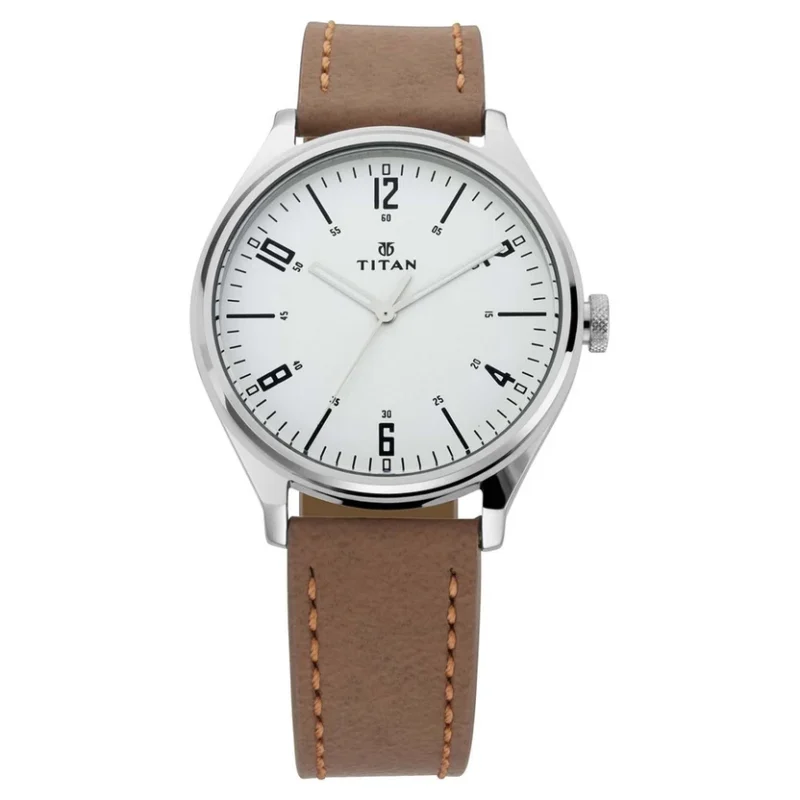
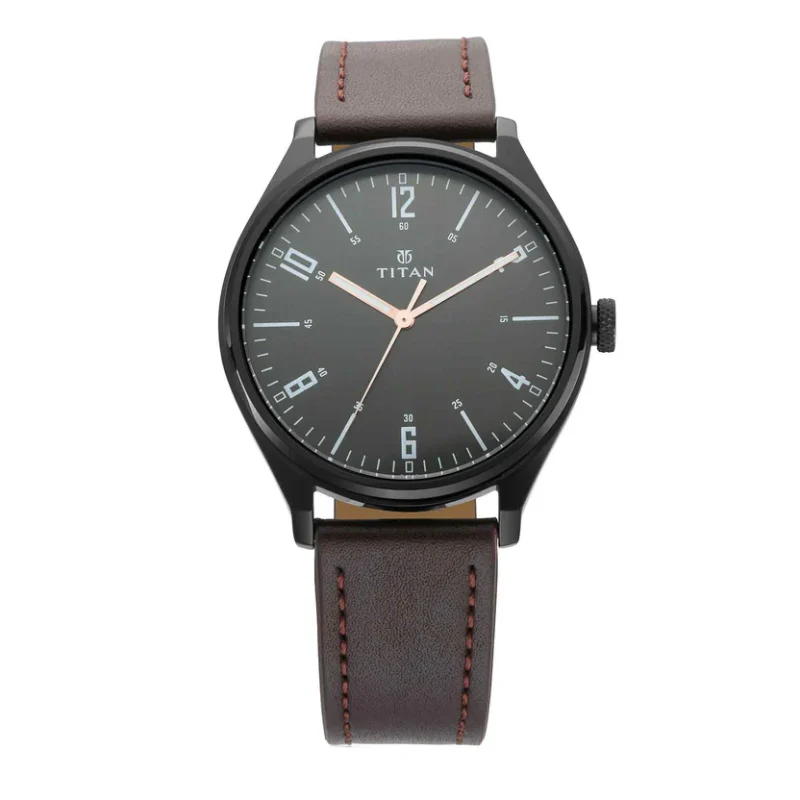
Learning how to take care of a watch doesn’t cost much. A cloth, a dry box and a bit of attention are enough for most watches to last for years. If you’re still choosing, browse our Titan and Naviforce collections, or contact us if you want help picking one that suits how you live.
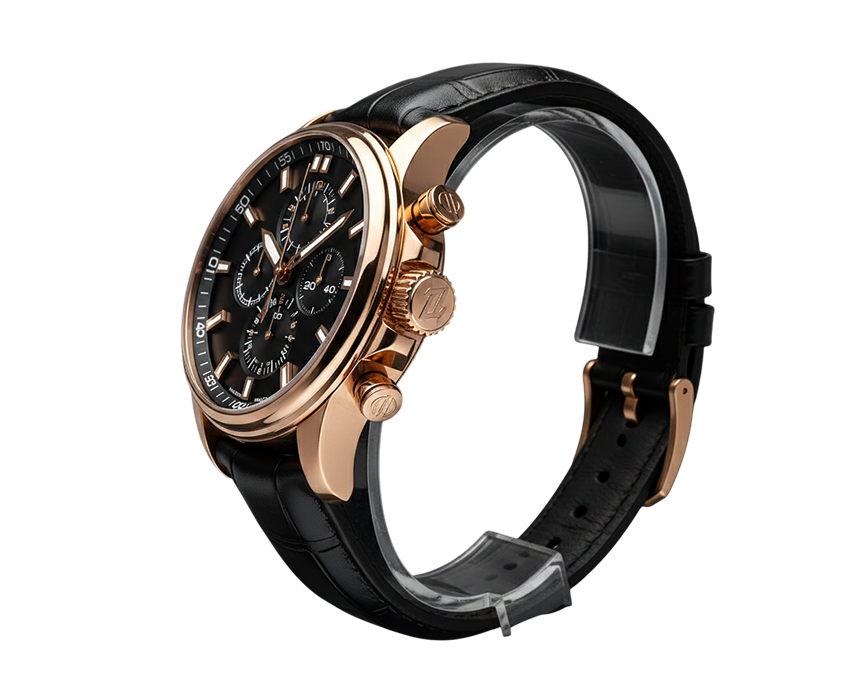

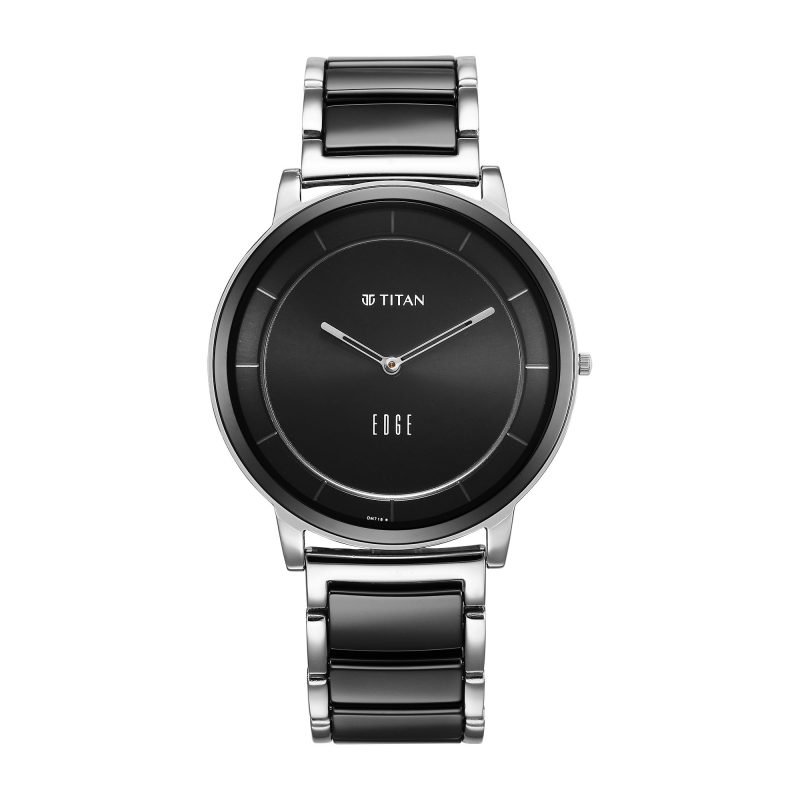
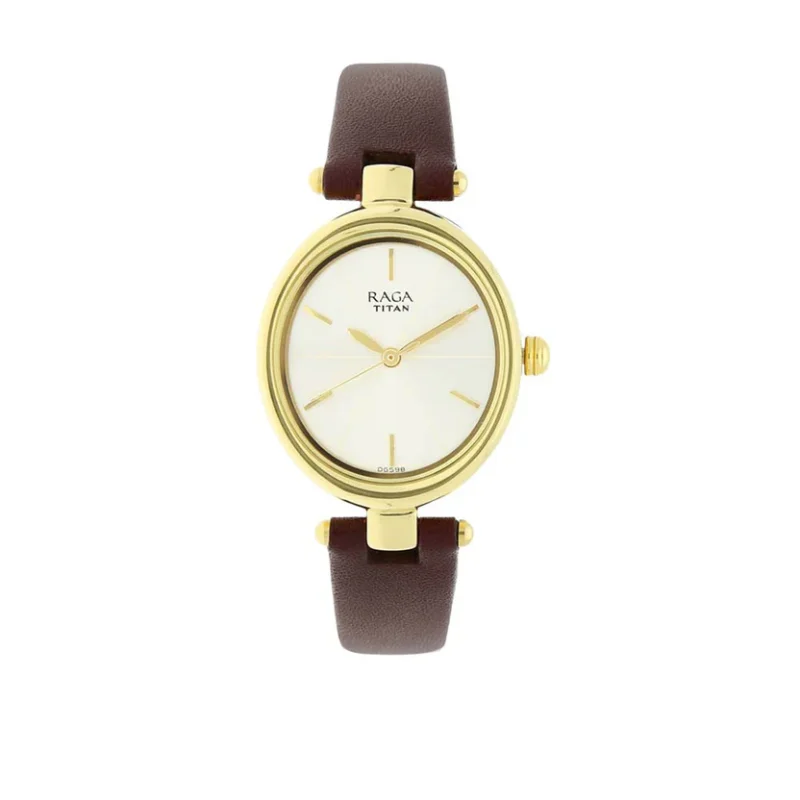
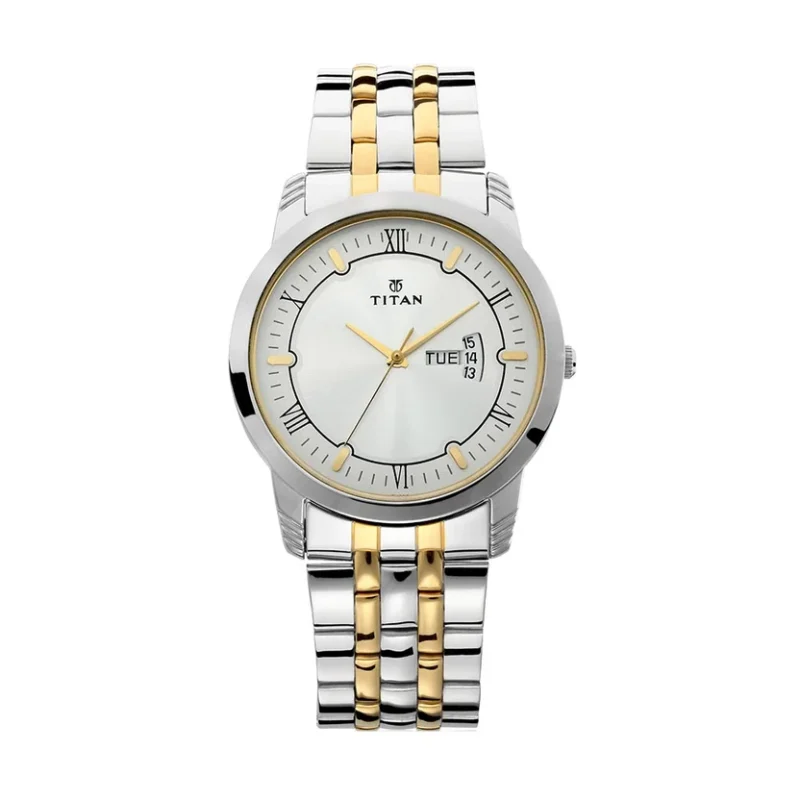


 Luxury Mens Watch
 Luxury Womens Watch
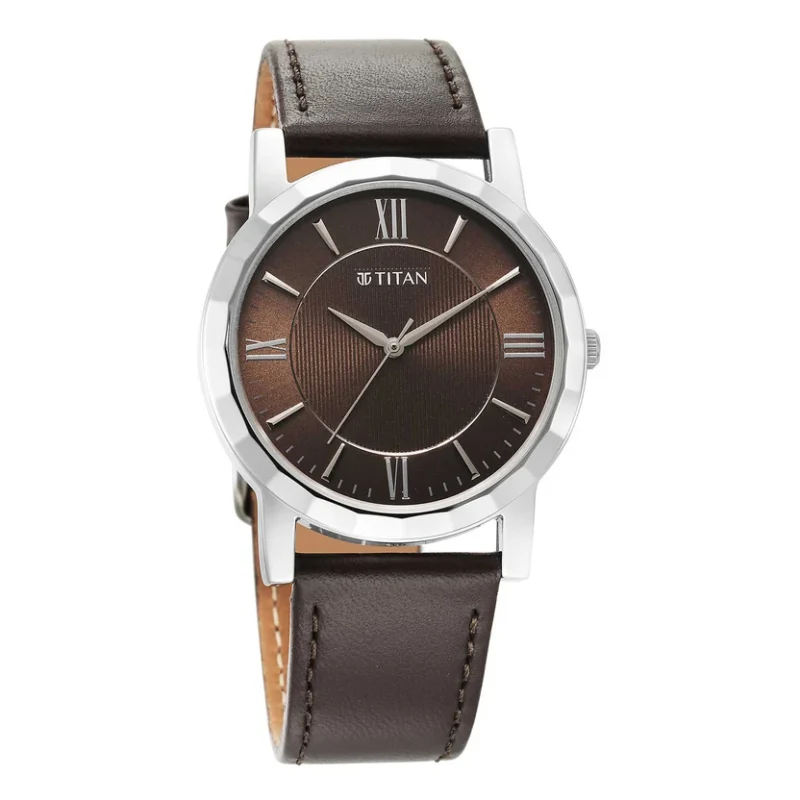
 Titan Mens Watch
 Titan Womens Watch
 Naviforce Mens Watch
 Naviforce Womens Watch