







How to Choose UV-Protection Sunglasses in Nepal: A Practical Buying Guide
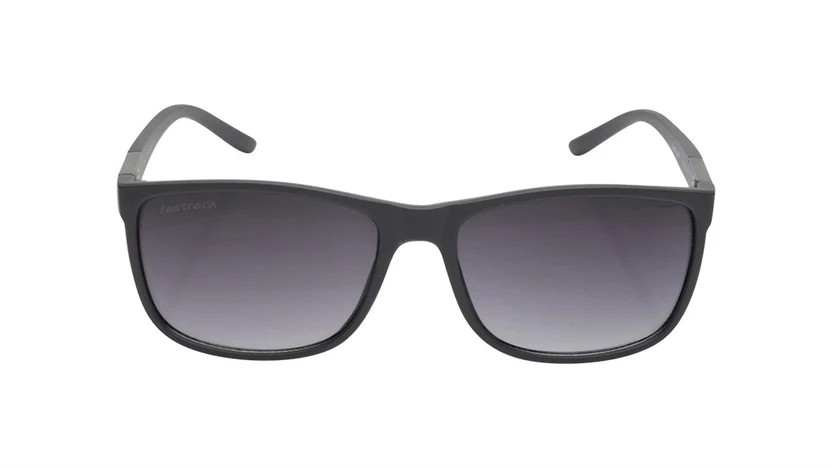
A dark lens can reduce glare without providing adequate ultraviolet (UV) protection. That is why choosing sunglasses only by tint, shape, or price is a mistake especially when you spend time outdoors, travel on exposed roads, or visit higher elevations in Nepal.
The most useful shopping question is not “How dark are these lenses?” It is “What verified UV protection do they provide?” Here is how to shop with that distinction in mind.
1. Understand UV Protection Before Looking at Style
Ultraviolet radiation from sunlight includes UVA and UVB. Long-term exposure can harm the eyes. Look for sunglasses clearly labelled UV400 or 99–100% UVA and UVB protection. UV400 indicates protection against UV wavelengths up to 400 nanometres when the claim is accurate.
Do not treat a vague ‘UV protected’ sticker as independent proof of lens performance. If the specification is unclear, ask the seller for reliable manufacturer details or have the lenses checked by an optician with suitable testing equipment.
Lens darkness is not a substitute for UV protection. A light-tinted lens can have effective UV filtering, while a dark-looking lens should not be assumed to provide it.
2. Polarized and UV400 Are Not the Same Thing
These terms answer different questions:
| Feature | What it does | What it does not automatically prove |
|---|---|---|
| UV400 | Filters UV wavelengths up to 400 nm, as specified | That the lens is polarized |
| Polarization | Reduces certain reflected glare from surfaces such as roads and water | That the lens has adequate UV protection |
| Dark tint | Reduces visible light reaching your eyes | That UVA and UVB are blocked |
| Mirrored coating | Reflects some incoming visible light and changes appearance | That UV filtering meets a particular standard |
Polarized lenses can be comfortable for bright commutes and outdoor activities, but may make some phone, dashboard, and other LCD screens harder to read at certain angles. For UV safety, verify UV protection separately.
3. Match the Frames to Your Daily Routine
Consider where you will actually wear the sunglasses:
- City commuting: Comfortable everyday frames with verified UV protection; polarization may help with reflected road glare.
- Outdoor trips: Secure-fitting frames that cover the eyes well and limit light entering from the sides.
- Driving: Lenses suited to changing visibility; never choose sunglasses that are too dark for the conditions, and remove them at night.
- High-altitude or snow travel: Strong UV protection and substantial side coverage are especially important. Ordinary fashion frames may not provide sufficient coverage for demanding snow conditions; seek specialist eyewear appropriate for the activity.
For everyday use, a wraparound or sufficiently large frame can help reduce light entering around the lenses. A fashionable narrow frame may still be appealing, but consider the coverage you give up.
4. Check Fit, Not Just the Face-Shape Trend
A practical fit check takes less than a minute:
- The bridge should rest comfortably without pinching or repeatedly sliding down your nose.
- The arms should hold the frame without squeezing your temples.
- Your eyelashes should not brush against the lenses when you blink.
- Looking down and turning your head should not cause the frames to slip.
- The frame should give adequate eye coverage for your intended use.
‘Round face needs square sunglasses’ rules are styling suggestions, not fit requirements. Measurements, comfort, and coverage are more useful than rigid face-shape categories.
5. Know What Lens Colour Actually Changes
Grey lenses generally preserve a relatively neutral perception of colour. Brown or amber tints change contrast and the appearance of certain colours. The preferred choice depends on your eyes, environment and use. Lens colour alone does not establish UV protection.
If you wear prescription glasses, ask an optician about prescription sunglasses or appropriately fitted alternatives. Do not assume an arbitrary non-prescription pair is suitable over your existing eyewear.
6. Questions to Ask Before Ordering Sunglasses Online in Nepal
Before you check out, use this short list:
- Does the listing clearly specify UV400 or 99–100% UVA/UVB protection?
- Is the UV claim supported by trustworthy product or manufacturer information?
- Are the lenses polarized, non-polarized, or unspecified?
- Are the frame dimensions and material listed?
- Will the shape give enough coverage for how you plan to use it?
- What are the current delivery and eligible return conditions?
Avoid assuming that a high price, a designer-style logo, or a very dark lens guarantees eye protection. Equally, a product photo cannot confirm UV performance.
How to Care for Your Sunglasses
Rinse loose grit off with clean water when appropriate for the frame and lens, then use a clean microfiber cloth and a lens-safe cleaning product. Avoid wiping dusty lenses dry, which can drag particles across the surface. Do not leave sunglasses on a hot car dashboard: excessive heat can damage some frames and lens coatings. Store them in a protective case when not in use.
Frequently Asked Questions
Does UV400 mean polarized?
No. UV filtering and polarization are separate properties. Check the product information for both.
Are expensive sunglasses always safer?
No. Protection depends on the lens’s verified filtering performance, not price alone.
Can I judge UV protection by looking through the lens?
No. Visible darkness and colour cannot reliably tell you how much UV the lens blocks.
Are sunglasses useful on cloudy days?
Yes. UV can still reach you through cloud cover, so appropriate protection remains useful outdoors.
What should I look for when travelling in snowy Himalayan areas?
UV protection, secure fit, and effective side coverage are important. For mountaineering or extensive snow exposure, consult a specialist about activity-appropriate glacier or mountain eyewear rather than relying on ordinary fashion sunglasses.
Shop for Protection and Comfort, Not Tint Alone
Start with a credible UV-protection specification, then decide whether you want polarization, a particular lens colour, and a frame that suits your daily use. That order helps you avoid choosing style at the expense of an essential feature.
Browse accessories at Gadget Sathi and review its FAQ for current delivery, payment and return information. Check each sunglasses product listing or ask the seller to confirm its individual UV specification before purchasing.

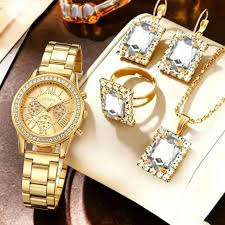
 Luxury Mens Watch
 Luxury Womens Watch
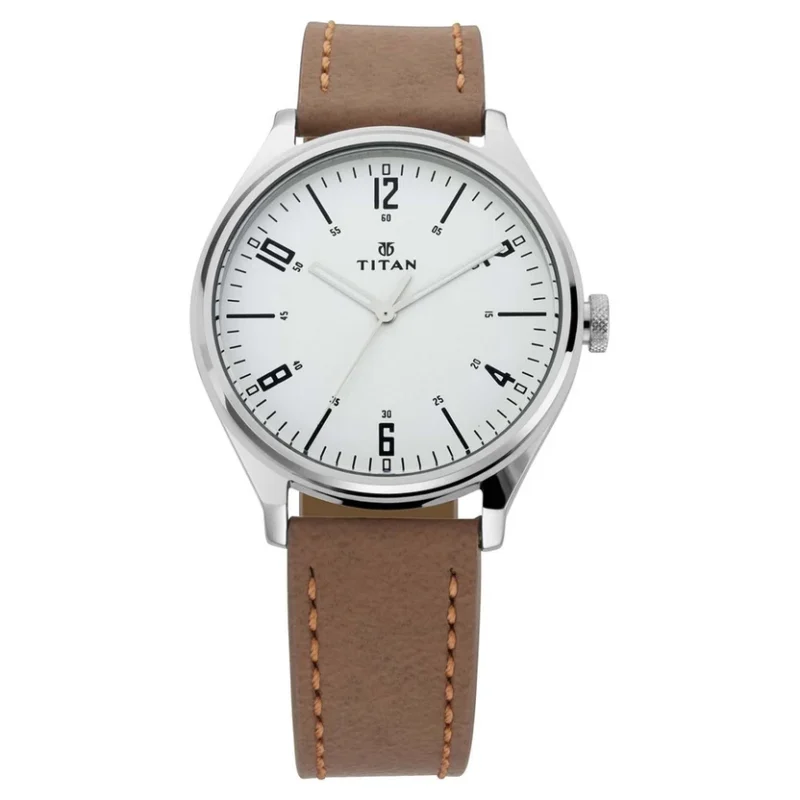
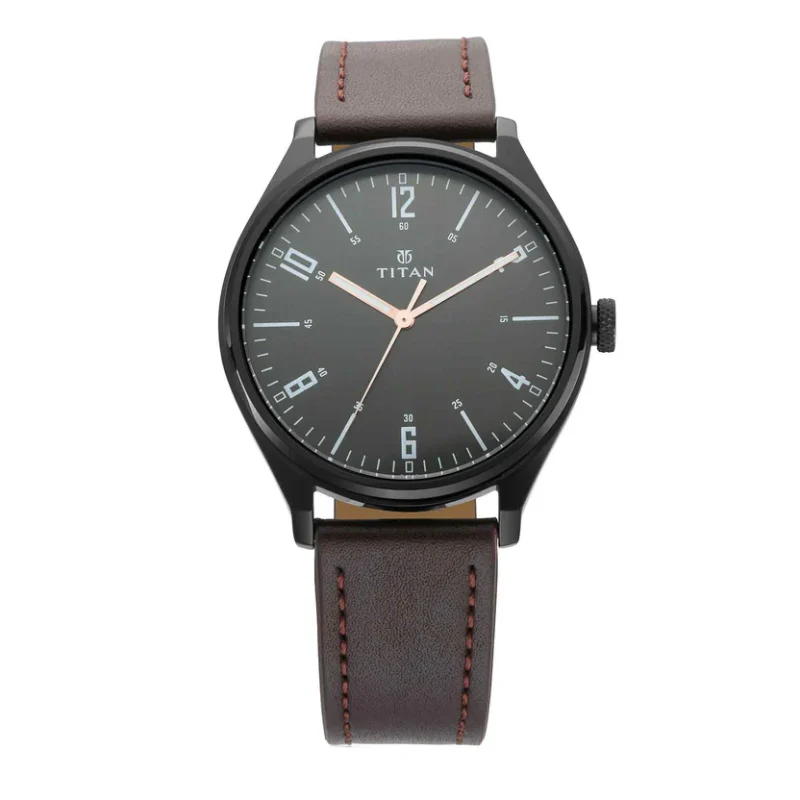
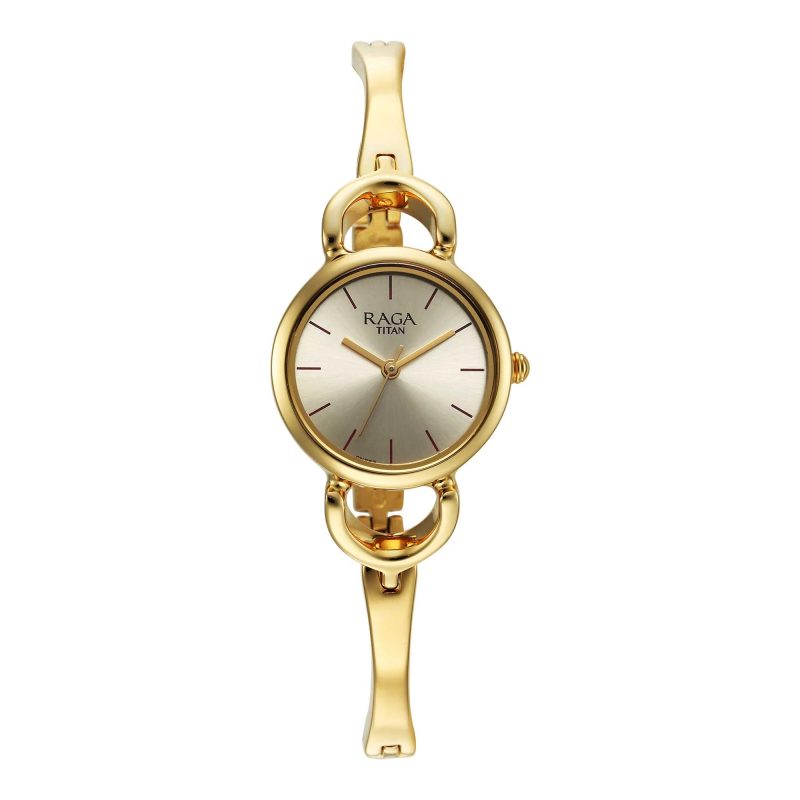
 Titan Mens Watch
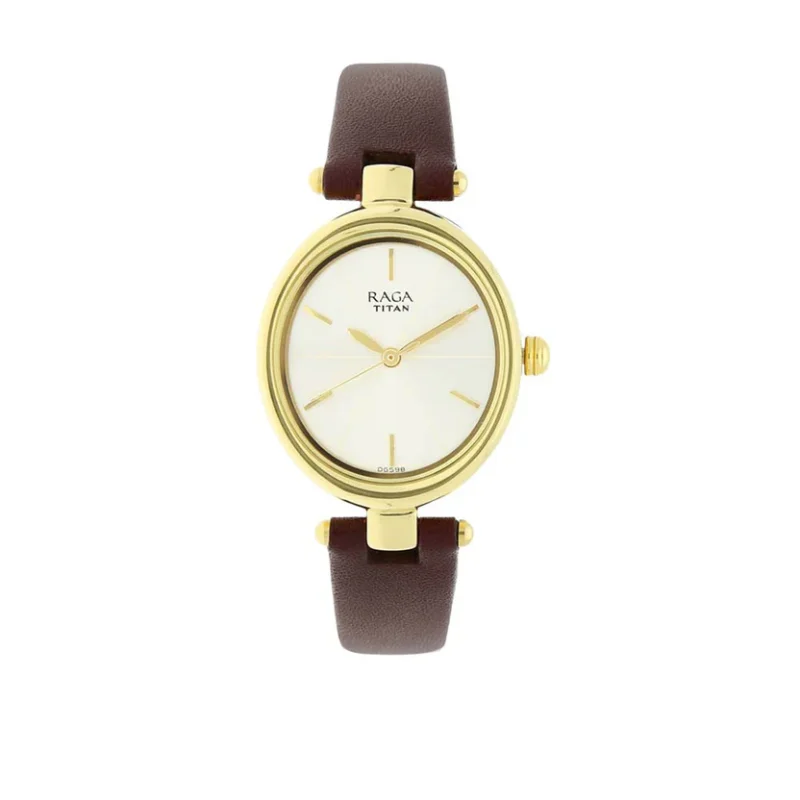
 Titan Womens Watch
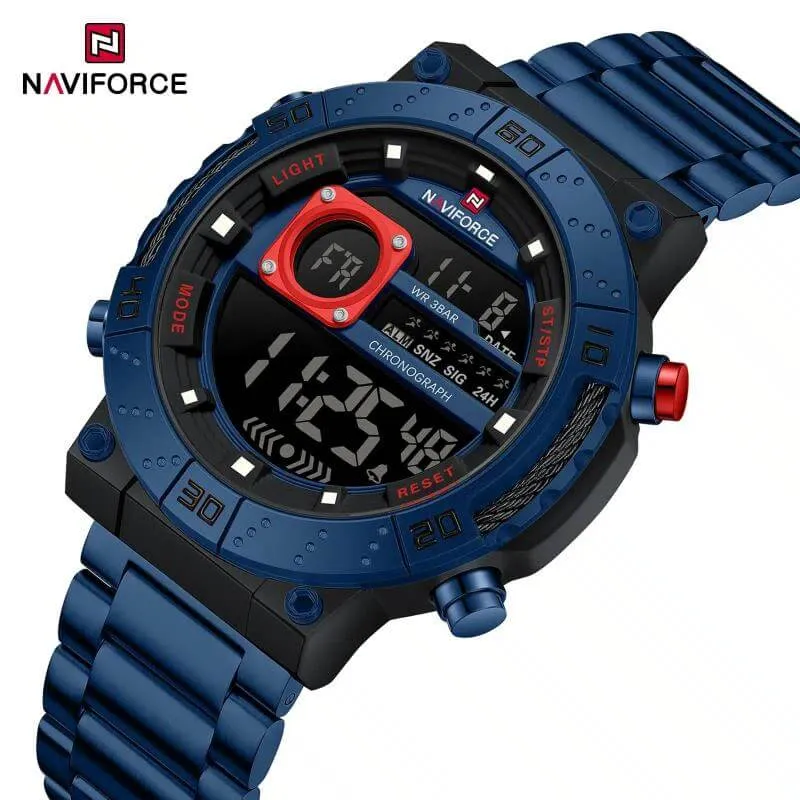
 Naviforce Mens Watch
 Naviforce Womens Watch