







Water Resistant Watch: What 30m, 50m & 100m Mean
A water resistant watch is not the same thing as a waterproof one. That single mix-up is behind a lot of fogged-up crystals and ruined movements, and it usually starts with a line on the dial that says “30m” and a buyer who thinks it means they can dive thirty metres.
It doesn’t. Let’s go through what those numbers really mean, and what they mean for life in Nepal, where rain, rafting trips and Holi water balloons are all part of the calendar.
What a water resistant watch rating really tells you
The number on a watch, such as 30m, 50m or 100m, comes from lab testing under still, static pressure. It is not a promise that the watch will survive that depth in real life.
Real use is rougher. When you swing your arm in a pool or jump into a river, the water pressure on the case jumps well above what the number suggests. That’s why a “50m” watch isn’t a 50-metre diving watch.
Strictly speaking, watchmakers avoid the word “waterproof” for this reason. You can read more about the marking system on Wikipedia’s water resistant mark page.
What each rating means in practice
| Rating | Also written as | Fine for | Better to avoid |
| 30m | 3 ATM, 3 bar | Splashes, light rain, washing hands | Showers, swimming |
| 50m | 5 ATM, 5 bar | Quick lukewarm shower, shallow swimming | Hot water, diving, water sports |
| 100m | 10 ATM, 10 bar | Swimming, snorkelling, regular water exposure | Deep diving |
| 200m+ | 20 ATM and up | Serious water sports, diving (if built to dive standards) | Little, if used as intended |
If the watch just says “Water Resistant” without a number, treat it as splash-proof at best. Assume it won’t survive a dunk.
Where to find the rating
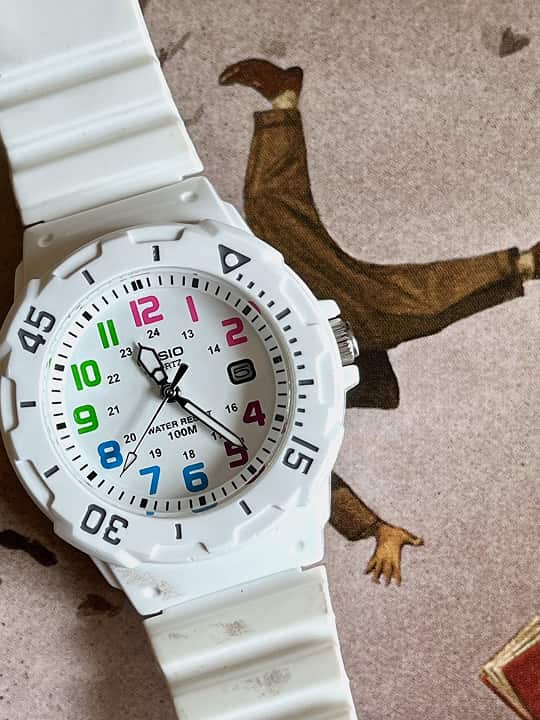
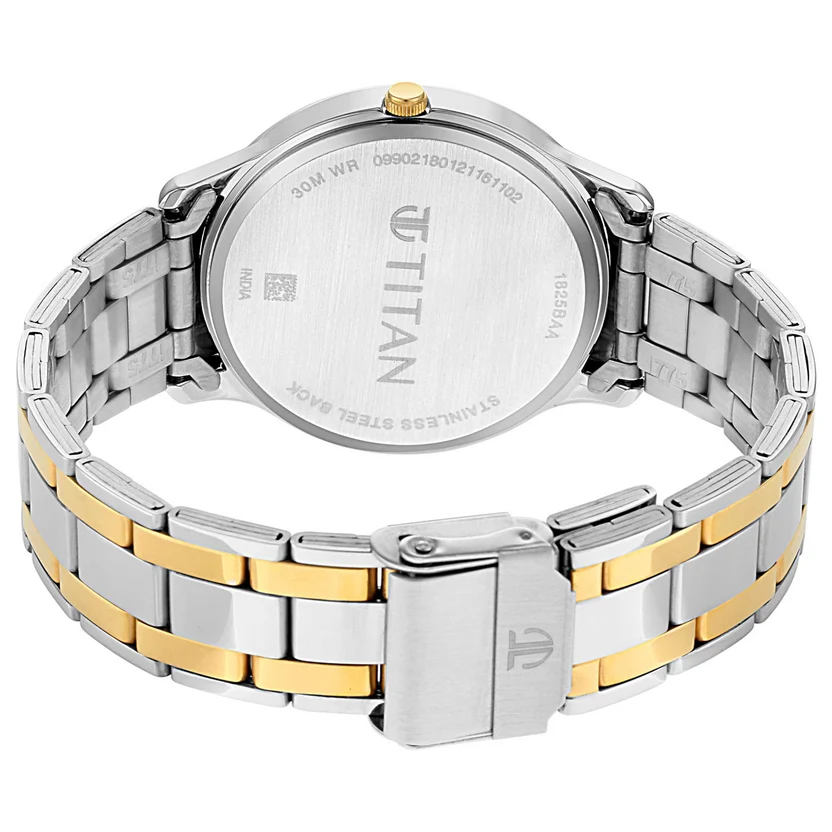
Look at the caseback first. You’ll usually see “30M”, “3 BAR”, “5 ATM” or “WR”. Some brands also print it on the dial. If you’re buying online and the product page doesn’t mention it, don’t guess. Ask the seller before you pay.
Everyday situations in Nepal
Monsoon rain. A 30m watch can usually handle a rain shower or a splash from a passing motorbike. A leather strap is another matter, because it will absorb water, swell and stain. More on that below.
Handwashing and doing dishes. Fine for most 30m watches, but hot water and soap are tougher than they look. If you wash your hands a lot, take the watch off or choose one rated at 50m or more.
Showers. Even a 50m watch isn’t ideal in a hot shower. Heat and steam can weaken the rubber seals, and soap residue can creep in. Take it off. It’s easier.
Holi. Water balloons and hose jets create sudden pressure, and colour powder gets into crevices. A 30m watch is the wrong choice for Holi. A 100m silicone-strap watch is better, but the safest option is leaving it at home.
Rafting and river trips. Moving water, knocks and splashes add up. Stick to 100m or higher, with a strap that can get wet. Many people simply take the watch off before a Trishuli trip.
Swimming pool. Go for at least 50m, and ideally 100m. Don’t press buttons underwater, and make sure the crown is fully pushed in or screwed down.
Why leather straps and water don’t get along
Even if the case is water resistant, a leather strap is not. It soaks up water, dries stiff and can start to smell. If you plan to get your watch wet, switch to a silicone or steel strap. Our guide to the best watch strap material compares the options.
Water resistance doesn’t last forever
Even a good water resistant watch loses protection over time. The rubber gaskets that keep water out age with heat and chemicals. A watch that was fine two years ago may not be fine now, especially after a battery change if the case wasn’t resealed properly.
If you swim or shower with your watch often, get the seals checked once a year or so. Our watch care guide lists other signs that something’s wrong, like fog under the glass.
Simple rules that protect your water resistant watch
- Push the crown in fully, or screw it down, before the watch touches water.
- Never press buttons or pull the crown underwater.
- Avoid hot water, saunas and steam rooms.
- Rinse the watch with clean water after a dip in a chlorinated pool, then dry it.
- If you see fog under the glass, dry the watch and get it checked quickly.
Frequently Asked Questions
Can I wear a water resistant watch in the rain?
Yes, usually. Light and moderate rain is fine. A short dash through a downpour is also fine, but don’t make a habit of soaking it.
Is 50m enough for swimming?
For a casual dip in shallow water, usually. For regular swimming, 100m is safer.
Do all Titan and Naviforce watches have the same rating?
No. It varies by model. Check the product page or caseback, or compare brands in our post on Titan vs Naviforce.
Does a water resistant watch need a special battery change?
The battery is the same, but the case should be resealed and checked afterwards. Otherwise the water resistance may not return.
Check before you buy
If you’re buying a water resistant watch for rain, rafting or swimming, make the rating part of your decision, not an afterthought. You can browse Titan watches and Naviforce watches and then message us to confirm the water resistance of the model you like.
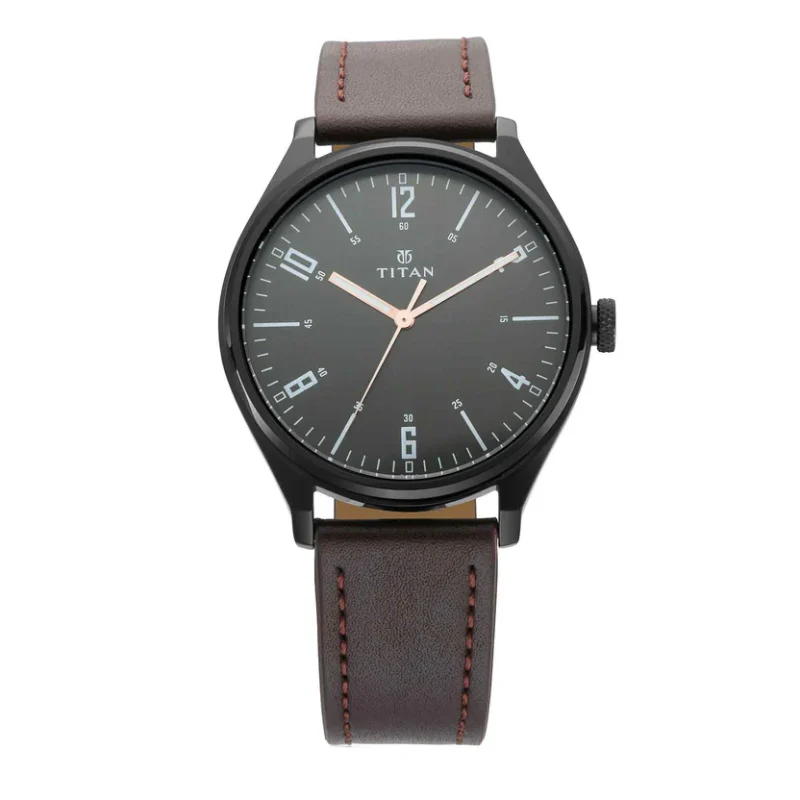
 Luxury Mens Watch
 Luxury Womens Watch
 Titan Mens Watch
 Titan Womens Watch
 Naviforce Mens Watch
 Naviforce Womens Watch