







Sunglasses and UV Protection in Nepal: Myths vs Facts
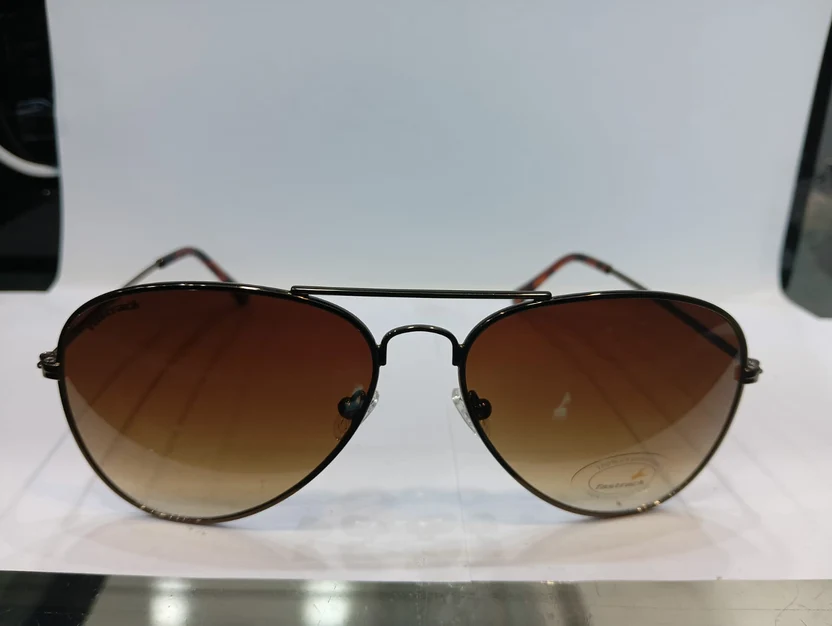
Nepal’s geography makes UV exposure higher than most people assumption. The Kathmandu Valley itself sits well above sea level, and anyone spending time in the hills or mountains is exposed to noticeably more UV radiation than at lower altitudes, since there’s less atmosphere to filter it out. Despite this, a lot of common sunglasses advice is either outdated or simply wrong, particularly around what actually determines UV protection. Here’s a straightforward myths-vs-facts breakdown before you next buy a pair.
Myth: Darker Lenses Mean Better UV Protection
Fact: lens darkness and UV protection are two completely separate things. A lens’s tint controls how much visible light gets through and how comfortable your eyes feel in bright conditions. UV protection depends on a coating or treatment applied to the lens, which has nothing to do with how dark the tint looks. A pair of very dark sunglasses with no UV coating can actually be worse for your eyes than no sunglasses at all – the dark tint causes your pupils to dilate, letting in more light overall, while unfiltered UV rays still reach your eyes through the lens.
What to check instead: look for a UV400 rating or an explicit “100% UV protection” label, regardless of how light or dark the tint looks.
Myth: Expensive Sunglasses Are Always Better Protected
Fact: price reflects brand, materials and design more than UV protection specifically. A budget pair with a proper UV coating protects your eyes just as effectively as a premium pair with the same rating. Where price genuinely matters more is lens clarity, frame durability, and comfort over long wear – real differences, just not UV-related ones.
What to check instead: confirm the UV rating on the label or product description rather than assuming price is a reliable stand-in for it.
Myth: You Only Need Sunglasses in Summer
Fact: UV exposure is present year-round, and altitude affects it more than season does. Kathmandu and the surrounding hills sit at an elevation where UV intensity is meaningfully higher than at sea level, regardless of the time of year. Cloudy days reduce visible brightness but don’t block UV rays nearly as much as people assume, which is why eyes can still take UV damage on an overcast day.
What to check instead: treat sunglasses as a year-round accessory for regular outdoor time, not just a peak-summer purchase, especially if you spend time in the hills or at altitude.
Myth: Kids Don’t Need “Real” UV-Protective Sunglasses
Children’s eyes are more vulnerable to UV exposure than adult eyes. A child’s internal eye lens is clearer. This lets more UV light reach the retina. Natural UV filtering only builds up with age.
Cheap, decorative sunglasses often lack a real UV coating. These offer a false sense of protection to young eyes.
Always check our kids’ sunglasses collection for an explicit UV rating. Do not pick a pair based on color or character design alone.
What to check instead: the same UV400 standard that applies to adult sunglasses, not a lower bar just because the sunglasses are for a child.
Myth: Sunglasses Are Purely a Fashion Choice
Fact: prolonged UV exposure to unprotected eyes is linked to genuine long-term eye health concerns, including a higher risk of certain cataracts and short-term issues like photokeratitis – essentially sunburn of the eye’s surface – after intense unprotected exposure, such as prolonged time at high altitude or on snow. Sunglasses with real UV protection are closer to sunscreen for your eyes than a purely cosmetic accessory, even though style is obviously part of the appeal too.
What to check instead: treat UV protection as the baseline requirement, and style as the layer you choose on top of it, not the other way around.
Myth: Polarized Automatically Means UV-Protected
Fact: polarization and UV protection are two different features, and a lens can have one without the other. Polarized lenses reduce glare – particularly useful for driving or reflective surfaces like water – by filtering light waves in a specific direction, but that’s a separate function from blocking UV radiation. A polarized lens still needs a UV coating to offer real protection.
What to check instead: confirm both features separately if you want the glare-reduction benefit of polarization alongside genuine UV protection, rather than assuming one implies the other.
Myth: One Pair of Sunglasses Works for Every Activity
Different activities benefit from different lens and frame features. However, UV protection should stay constant across all of them.
Driving benefits from polarization. This cuts glare off other vehicles and wet roads.
Trekking or high-altitude travel benefits from wraparound frames. These block peripheral light, not just direct light through the lens. Reflected UV off snow or bright rock can still reach the eyes from the sides.
Everyday city wear mostly just needs reliable UV protection and a comfortable fit.
It is reasonable to own more than one pair for different uses. Just ensure every pair meets the same UV400 baseline.
How to Actually Read a Sunglasses Label
Most product listings state UV protection in a few common ways. You will often see “UV400,” “100% UV protection,” or a specific blocked wavelength range. Any of these phrases is a reliable signal. However, lens color, brand name, and price are not reliable substitutes. Never assume UV protection is included by default. If a listing does not mention it, ask the seller directly before buying.
Quick Reference: What Actually Matters
- UV400 label or “100% UV protection” – the single most important thing to check, regardless of lens colour or price.
- Lens darkness – a comfort feature, not a protection feature.
- Polarization – a glare-reduction feature, separate from UV protection.
- Price – a poor stand-in for UV protection; check the label directly instead.
If you’re ready to shop with these points in mind, our complete 2026 sunglasses buying guide for men and women covers frame styles, face shapes and material choices in more detail.
Why This Confusion Is So Common
Darkness is easy to see and judge. UV protection is invisible and listed on a label. Because of this, buyers often confuse tint depth with UV defense. Lens darkness and UV protection are actually unrelated. Always check the label instead of relying on tint. Doing this makes choosing sunglasses much simpler..
Conclusion
The biggest myth to unlearn is the most common one: dark lenses do not automatically mean protected eyes. UV protection comes from a coating, not a tint, and it matters year-round in Nepal given the altitude, not just during the brightest summer months. Check for a UV400 label before anything else, whether you’re buying for yourself or picking out a pair for your kids. Browse men’s and women’s sunglasses at GadgetSathi with this checklist in mind.
FAQ
Do all sunglasses sold in Nepal have UV protection?
Not automatically – UV protection depends on a specific coating or treatment, not just on a product being labelled “sunglasses.” Always check for a UV400 or “100% UV protection” label rather than assuming it by default.
Is altitude really a factor in UV exposure in Nepal?
Yes. Higher elevations have less atmosphere to filter UV radiation. It means UV intensity is generally higher in the Kathmandu Valley and especially the hills compared to sea-level locations, independent of season.
Can UV rays damage eyes on a cloudy day?
Yes. Clouds reduce visible brightness but don’t block most UV radiation. Eyes can still be exposed on overcast days even though it doesn’t feel as bright.
Are polarized sunglasses automatically UV-protected?
No – polarization reduces glare, which is a separate feature from UV protection. Check both specifications independently rather than assuming one includes the other.
Do children need a different level of UV protection than adults?
Children’s eyes are generally more vulnerable to UV exposure. The same UV400 standard used for adults should be treated as the minimum, not a lower bar, when choosing kids’ sunglasses.


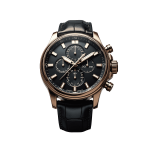 Luxury Mens Watch
 Luxury Womens Watch
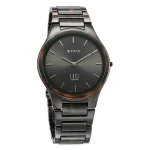 Titan Mens Watch
 Titan Womens Watch
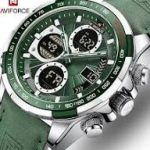 Naviforce Mens Watch
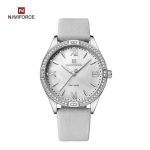 Naviforce Womens Watch