







5 Everyday Habits That Are Quietly Ruining Your Leather Wallet
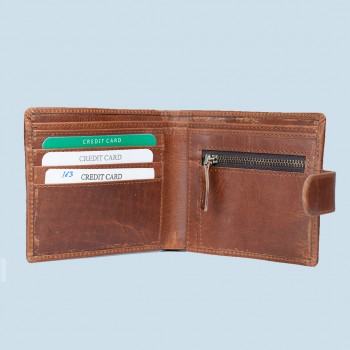
A leather wallet suppoose to age well – softer, slightly darker, a little more character over time. Most don’t get that chance. They crack, split at the seams, or lose their shape within a year or two, usually because of small daily habits nobody thinks of as “wallet care” at all. None of these are dramatic mistakes. They’re just routine, and that’s exactly why they do so much damage.
Here are the five habits most responsible for a short wallet lifespan, and what to do instead.
1. Overstuffing It Past Its Actual Capacity
This is the single biggest cause of premature wallet damage. Every card, receipt and note added past a wallet’s comfortable capacity stretches the leather and puts strain on the stitching at the seams – the same seams that are already doing the most structural work.
What to do instead: clear out receipts and unused cards on a regular basis – weekly is enough for most people – and treat a wallet’s ideal capacity as slightly less than its maximum. A wallet that looks slightly under-filled will actually hold its shape for years longer than one packed to the seams.
2. Sitting on It in a Back Pocket
Sitting directly on your wallet for months damages the material. It forces the leather to bend in unnatural directions. This pressure cracks the surface along the fold line and permanently warps its shape. Because of this, a well-worn back-pocket wallet often keeps a visible curve even when you take it out.
What to do instead: move it to a front pocket, jacket pocket or bag when sitting for extended periods – commuting, an office desk job, long meetings. If a back pocket is genuinely the only option, at minimum remove it before sitting down for anything longer than a few minutes.
3. Ignoring Moisture and Monsoon Exposure
Leather absorbs moisture faster than most people expect. Repeated wet-then-dry cycles dry out leather from the inside. Getting caught in the rain or sweating through your back pocket strips away the material’s natural moisture. Over time, this causes cracking and leaves a rough, brittle texture.
Monsoon season makes this problem much worse. High humidity lingers for weeks instead of a single rainy day. Our guide on protecting watches during Nepal’s monsoon addresses a similar moisture issue, and the exact same principles apply to keeping your leather goods safe.
What to do instead: if a wallet gets wet, let it air-dry naturally away from direct heat – never on a heater or in direct sun, both of which dry leather too fast and cause cracking. A light leather conditioner every few months during monsoon season helps replace the oils lost to repeated moisture exposure.
4. Never Cleaning It
Dust, skin oils and general grime build up gradually, and most people never actually clean a wallet – cleaning a bag or shoes feels normal, but a wallet somehow doesn’t get the same treatment, even though it’s handled constantly.
What to do instead: wipe it down with a soft, dry cloth every couple of weeks, and use a leather-specific cleaner every few months for a deeper clean. This alone meaningfully slows the dulling and grime buildup that makes an otherwise well-kept wallet look older than it is.
5. Storing It Somewhere Careless Between Uses
A wallet tossed into a drawer with keys, coins and other hard objects picks up scratches and pressure marks it doesn’t need. Stored in a sealed plastic bag “to protect it,” leather can’t breathe and moisture gets trapped instead, which is worse than no protection at all.
Store your leather away from harder objects to prevent scratches, keep it inside a breathable pouch or its original box, and protect it from direct sunlight to stop the rays from fading its color.
How Long Should a Well-Kept Leather Wallet Actually Last?
With reasonable care, a genuine leather wallet comfortably lasts several years before the leather wears out. Simply avoiding a few bad habits goes a long way without requiring elaborate maintenance. In fact, most people replace their wallets out of habit long before they actually need a new one. If you are shopping for a replacement, our buying guides cover what features and materials hold up best over time.
Signs It’s Time to Replace Rather Than Repair
Not every worn wallet is worth saving. Several clear signs indicate you should replace your leather item:
- Stitching comes apart at multiple seams.
- Deep cracks run entirely through the leather.
- The interior lining tears away from the shell.
- Overstuffing or sitting on it warps the shape so it no longer closes.
Other issues are purely cosmetic:
A quick conditioning session easily fixes these minor flaws.
Surface scuffs, minor fading, and light creasing require no replacement.
A Simple Monthly Care Routine
A simple monthly check keeps your leather wallet in top shape without any hassle:
- Clear out unused cards and old receipts.
- Wipe down the leather with a soft, dry cloth.
- Check the main fold for early signs of cracking.
- Store the wallet away from hard items like keys and coins.
- Apply a light leather conditioner during monsoon months.
This quick routine takes only a few minutes. Following it regularly keeps your wallet looking fresh for years instead of worn out in one.
Why These Habits Are So Easy to Miss
Part of what makes these five habits so damaging is exactly how ordinary they are. Nobody consciously decides to overstuff a wallet or leave it in a back pocket all day – it just happens as part of a normal routine, which is precisely why the damage builds up slowly and goes unnoticed until the wallet is already cracked or misshapen. Wallet care doesn’t need to become a deliberate ritual the way some people treat shoe care or watch maintenance. It mostly just requires noticing these five habits once, and adjusting them slightly going forward.
Conclusion
None of the habits above are unusual – most people do at least two or three of them without noticing. The fix isn’t an elaborate care routine, just a handful of small changes: don’t overfill it, keep it out of a back pocket when sitting, protect it from prolonged moisture, wipe it down occasionally, and store it somewhere sensible between uses. A wallet that gets this much attention will genuinely outlast one that doesn’t, by years rather than months. If yours is already past saving, browse the shop for a replacement built to last longer this time.
FAQ
How often should I condition a leather wallet?
Every few months is generally enough for regular use, more frequently during monsoon season when moisture exposure is higher and leather dries out faster between wet-dry cycles.
Can a cracked leather wallet be fixed?
Minor surface cracking can sometimes be improved with conditioning if caught early, but deep cracks in the leather itself usually can’t be reversed and signal it’s time to consider a replacement.
Is it bad to keep a wallet in a back pocket at all?
Occasional use isn’t a major issue, but sitting on it repeatedly over long periods – daily commutes, long desk hours – is what causes the most damage over time.
Does synthetic or vegan leather need the same care?
Less intensive care overall – it doesn’t need conditioning the way genuine leather does – but it still benefits from regular wiping down and avoiding overstuffing, which stresses any material’s stitching.
What’s the biggest single cause of a short wallet lifespan?
Overstuffing is generally the most common and most damaging habit, since it stresses the stitching and stretches the leather every single day, not just occasionally.
 Luxury Mens Watch
 Luxury Womens Watch
 Titan Mens Watch
 Titan Womens Watch
 Naviforce Mens Watch
 Naviforce Womens Watch