












How to Choose the Best Wallet for Women in Nepal
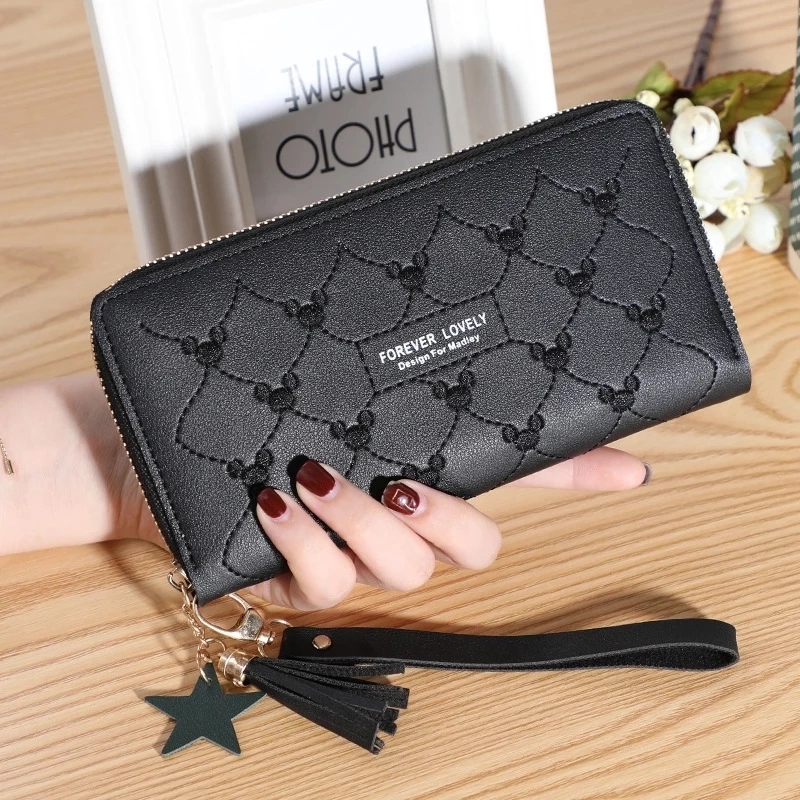
Most wallet-buying advice online is written for men’s bifolds and trifolds, which is biggest problem. A women’s wallet usually has a different job to do. It often shares space with a handbag rather than a back pocket, needs to hold more than cards and cash. This guide covers what actually matters when choosing a wallet for women in Nepal: shape, size, material and how it fits into daily use rather than just how it looks on a shelf.
If you already know what you’re looking for in a men’s wallet, our guide to choosing the best wallet for men in Nepal covers that side separately.
Start With How You Actually Carry Things
Before comparing styles, think about your bag situation. Do you almost always carry a handbag, or do you sometimes go out with just your phone and a wallet? This one question narrows the choice more than any spec sheet.
If you always carry a bag: a compact bifold or a slim card-and-cash wallet is usually enough, since the bag itself holds everything else.
If you sometimes go bagless: a slightly larger wallet – one with a phone pocket, or a clutch-style wallet with a wrist strap – does double duty as a mini bag for short outings.
Common Women’s Wallet Styles in Nepal
Clutch Wallets
Structured, often with a zip or snap closure, and usually large enough for cards, cash, a phone and small essentials. Popular as an everyday option and as a dressier accessory for festivals and family functions, since a clutch wallet can be carried on its own without a full handbag.
Bifold and Trifold Wallets
Smaller and more pocket-friendly than a clutch, these mirror the men’s wallet format but are typically slimmer, with more card slots relative to overall size and often a coin pocket, which is less common in men’s designs. Good for anyone who wants a wallet that fits inside a smaller handbag or sling bag without adding bulk.
Card-Only Wallets
Minimal, slim, built around 4–8 card slots with little or no room for loose cash. These suit people who pay digitally most of the time and only need physical cards and an ID for backup.
Checkbook and Travel Wallets
Longer format wallets designed to hold documents flat without folding. This is useful for anyone who still deals with cheques regularly, or who wants one wallet to carry a passport, boarding pass and cards together while travelling.
What to Actually Check Before Buying
Card capacity vs card habits. Count how many cards you actually carry daily – bank cards, ID, loyalty cards, transport cards. Then buy for that number plus two or three, not for an imagined future. An overstuffed wallet stretches out of shape faster than almost anything else damages it.
Material. Genuine leather ages well and develops a natural look over time but needs occasional conditioning, especially in Nepal’s monsoon humidity. PU or vegan leather is more water-resistant out of the box and needs less maintenance, though it doesn’t age the same way. Neither is objectively “better” – it depends on how much upkeep you want to do.
Closure type. Zip closures keep coins and small items from falling out, which matters if the wallet doubles as a mini bag. Snap or magnetic closures are faster to open one-handed but offer less containment.
Colour and hardware tone. If the wallet will be visible often – pulled out at a counter, sitting on a table during festivals – colour and hardware finish (gold, silver, matte) matter more for a women’s wallet than for most men’s designs, since it’s treated more as a visible accessory than a purely functional item.
RFID protection, if you tap-to-pay or use contactless cards regularly. This isn’t essential for everyone, but it’s a reasonable added feature if you’re comparing two similar wallets and one includes it.
How Nepal’s Climate Should Influence Your Choice
Kathmandu’s dry winters and long monsoon months put different kinds of stress on a wallet than a purely mild climate would. During monsoon, humidity accelerates wear on genuine leather if it isn’t conditioned occasionally. A wallet that spends a lot of time in a damp bag pocket is more prone to a musty smell developing inside the lining over time. If you commute by foot or two-wheeler during the rainy months, a wallet with at least some water resistance. It either is a treated leather or a PU option – is a genuinely practical choice rather than just a budget one. In the drier months, genuine leather tends to do better, since it isn’t fighting constant moisture exposure.
Matching a Wallet to Your Daily Routine
Students and college-goers generally do well with a compact bifold or card-only wallet – lighter, easier to carry in a sling bag, and less to lose track of between classes.
Office-goers often benefit from a slightly larger wallet with a dedicated phone pocket, since it reduces the number of separate items to keep track of when moving between desk, meetings and commute.
Frequent travellers get the most use out of a travel or checkbook-style wallet, which keeps a passport, boarding passes and cards flat rather than folded, and is easier to access quickly at security or check-in counters.
Anyone prioritising a minimal daily carry should lean toward card-only formats, especially if most payments happen digitally and physical cash is rarely needed.
A Quick Sizing Check Before You Buy
If you’re buying online do one simple check before ordering. Measure the pocket or compartment in the bag you use most often, and compare it against the wallet’s listed dimensions rather than judging size from a product photo alone. Photos rarely convey scale accurately, and a wallet that looks compact in an image can turn out too large for a small crossbody bag or too bulky for a jacket pocket. This single check prevents most sizing disappointments before they happen.
Conclusion
The right women’s wallet comes down to how you actually carry things day to day, not just which style photographs best. Match the format clutch, bifold, card-only or travel to your bag habits first, then narrow by material and closure type. If you’re ready to compare current options, browse the women’s wallet collection at GadgetSathi to see what’s available.
FAQ
What’s the difference between a clutch wallet and a regular handbag?
A clutch wallet is smaller and built specifically around cards, cash and small essentials, while a handbag is designed to carry a wider range of items. Many people use a clutch wallet as a standalone bag for short outings where a full handbag isn’t necessary.
Is genuine leather worth it over PU leather for a women’s wallet?
Genuine leather typically lasts longer and develops character with age but needs occasional conditioning. PU leather is lower-maintenance and more water-resistant but doesn’t age the same way. The right choice depends on how much upkeep you’re willing to do.
How many card slots do I actually need?
Count the cards you carry on a normal day and add two or three extra slots. Most people overestimate this number and end up with an overstuffed wallet that loses its shape faster.
Is a wallet a good gift for Tihar or Teej?
Yes, wallets are a common and practical gifting choice for both occasions in Nepal, since they don’t require guessing a specific clothing size and suit most everyday styles
Do I need RFID protection in my wallet?
It’s a useful extra if you regularly use contactless or tap-to-pay cards, but it isn’t essential for everyone. Treat it as a tie-breaker between two otherwise similar wallets rather than a must-have feature.
 Luxury Men Watches
 Luxury Women Watches
 Titan Men Watch
 Titan Female Watch
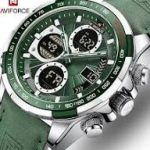 Naviforce Men Watch
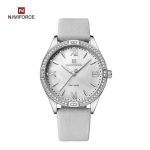 Naviforce Female Watch